 Jeedeson Official Website
vinyl-tile
Peel and stick vinyl wall tile goes straight onto a clean, flat surface — no thinset, no grout, no tiling tools.
Showing 21–40 of 41 results




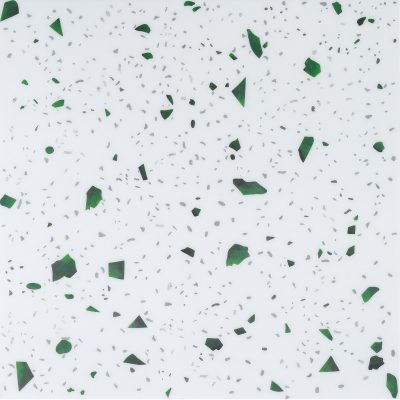
Jeedeson Modern Design Removable Peel Stick Vinyl Tile, Comfort for Bedroom Office Bathroom
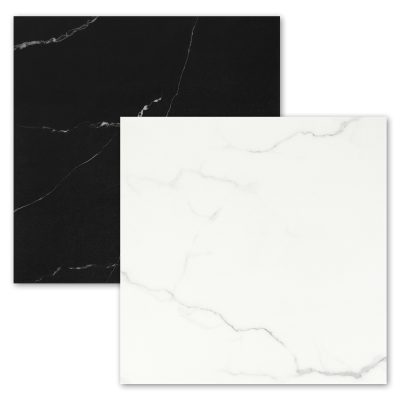



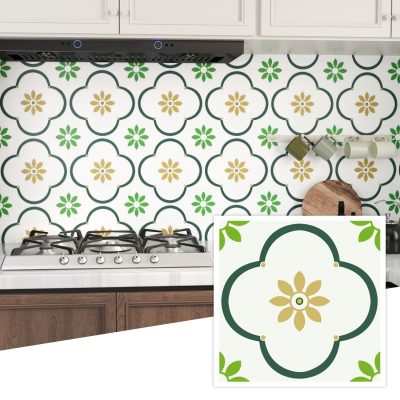


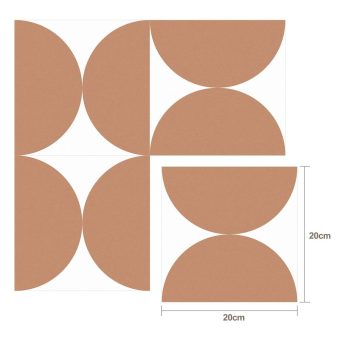

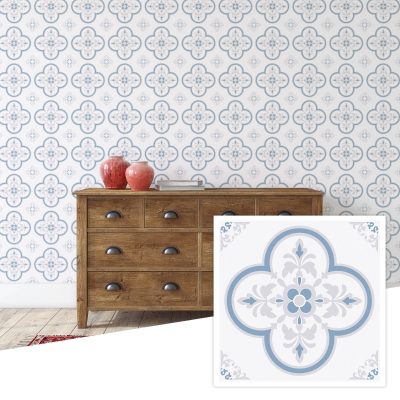
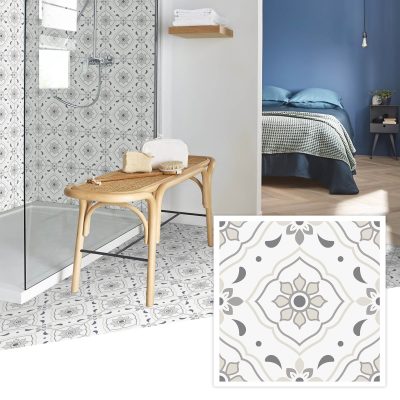
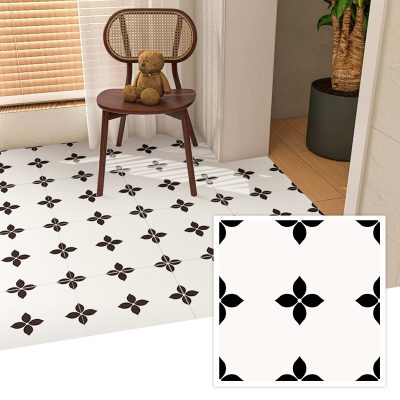
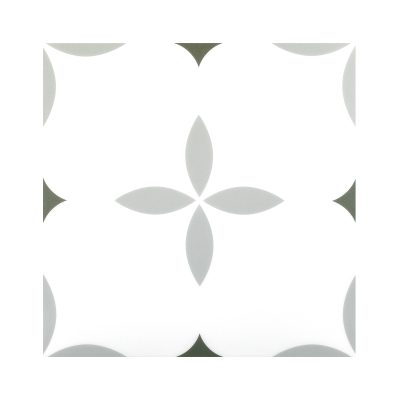
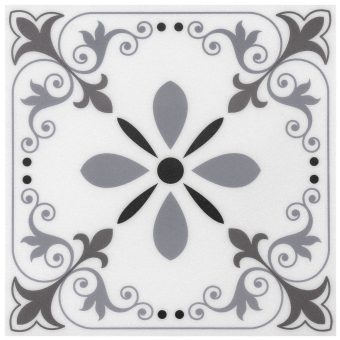
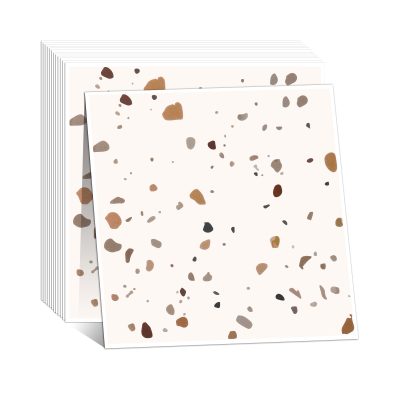
What Peel and Stick Vinyl Tile Actually Is
Each piece is a thin vinyl sheet with a pressure-sensitive adhesive on the back and a printed face on the front. Our standard size is 11.8 in x 11.8 in, with smaller 7.87 in and 20 x 20 cm formats for detail work. The pattern is printed rather than fired, which is why a square foot costs a fraction of ceramic and why the tile weighs almost nothing — it will sit on painted drywall with no backer board and no anchors.
Two numbers matter more than the picture on the front. The wear layer, quoted in MIL, decides how well the face survives a scrubbing brush: 11 MIL is a working surface, 4 MIL is a bedroom wall. And the adhesive type decides whether the tile lifts cleanly years later or brings the paint with it. Ours are permanent-fix, so treat the first placement as final.
Where It Works, and Where It Doesn’t
The kitchen is the main job, and a peel and stick vinyl flooring backsplash is the cheapest way to change a kitchen without touching the cabinets. It covers the wall behind a counter, the strip above a sink, the gap between worktop and wall units, and the side panel of an island. Grease wipes off a vinyl face in one pass; grout lines, which is where a tiled splashback actually gets dirty, do not exist.
In the bathroom it handles the splash zone around a basin, the wall beside a bath and a tired vanity panel. It does not belong inside a shower cubicle — standing water finds every seam eventually, and no adhesive film is designed for that.
Beyond the wet rooms, vinyl peel and stick wall tile is the standard fix for rentals, short-term lets, stair risers, laundry rooms, garage walls and a child’s bedroom that needs to stop being white. Because it goes on in an afternoon and looks finished immediately, it is the one renovation that survives a weekend.
Two places to avoid. Directly behind a gas hob, unless you use a heat-resistant panel — vinyl softens before it burns, which is worse than it sounds. And any wall that is damp, flaking, or still covered in wallpaper: the adhesive bonds to the paper, the paper lets go of the plaster, and the whole panel comes down six months later.
How to Lay It
- Clean and degrease the wall. Sugar soap, then a plain water rinse, then let it dry for a full day. Adhesive will not stick to a greasy film, and a kitchen wall always has one.
- Mark a level line. A laser or a spirit level, at the height of your first full row above the worktop. Every row follows it, so this line is the whole job.
- Start above the worktop and work upward. Cut the bottom row to the worktop first, from the centre of the wall outward, so any short cut lands in a corner rather than in the middle of the splashback.
- Overlap, then trim. Peel 2 in of backing, press the top edge into the line, then peel the rest as you go. Overlap the neighbouring tile by a fraction and cut through both with a knife for a seam that is genuinely invisible.
- Roll the whole surface. A hard roller or the back of a cloth, from the centre outward. Trapped air is what lifts a corner three weeks later.
Common Questions
| Question | Answer |
|---|---|
| Can I put it over existing ceramic tiles? | Yes, if the tiles are sound and the grout lines are filled flat first. Deep grout channels will telegraph through a thin vinyl sheet, so skim them with filler and sand smooth before you start. |
| Is it waterproof? | The face is waterproof and wipes clean; the seams are not immersible. It is a splashback, not a shower lining. Keep it out of direct, standing water. |
| Will it damage the wall when removed? | It can lift paint from drywall and leave adhesive behind, which is the honest trade for a permanent bond. Warm the tile with a hairdryer and pull slowly at a low angle to keep the damage to a minimum. |
What We Stock
More than twenty designs, from subway black to stone-look green, starting at $29.99 for a ten-piece pack:
- 11 MIL peel and stick backsplash tile, 30 pieces, 29 sq ft — the heavy face, for behind a hob or a sink
- Black subway wall tile, 30 pieces, 11.8 x 11.8 in — the classic kitchen look without the grouting
- Peel and stick floor tile in warm brown, 10 pieces — same system, for the floor instead of the wall
See the full range on our backsplash tile collection, or send us a photo of the wall and we will tell you how many packs it takes.