 Jeedeson Official Website
SPC Flooring: Pros and Cons
Advantages of SPC Flooring
1.Eco-Friendly & Non-Toxic
Made from limestone powder, PVC, and stabilizers. Contains no formaldehyde or harmful chemicals. Often certified by FloorScore or CARB.
2.100% Waterproof
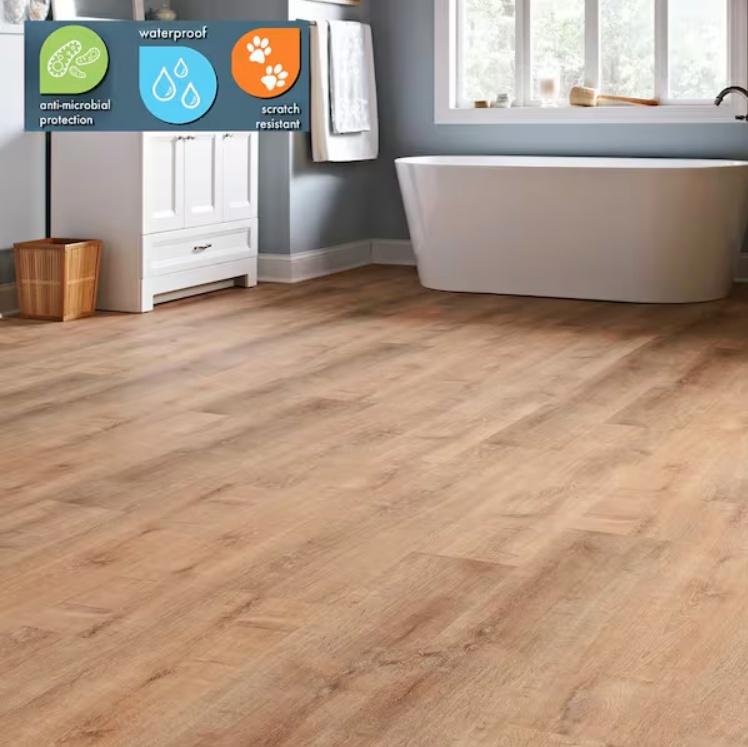
Ideal for moisture-prone areas (bathrooms, kitchens, basements). Resists warping, mold, and mildew.
3.Extreme Durability
Wear layer (6–30 mil) withstands scratches, dents, and heavy foot traffic. Lifespan: 15–25 years.
4.Easy Installation
Click-lock system allows DIY floating installation. No glue or nails required.
5.Thermal Stability
Low thermal expansion. Compatible with radiant heating systems (ideal for underfloor heating).
6.Fire & Slip Resistance
Meets Class B1 fire resistance (low flammability). Textured surfaces offer R9–R11 slip resistance.
7.Low Maintenance
Stain-resistant surface. Clean with water and mild detergent; no waxing or polishing needed.
8.Aesthetic Versatility
Realistic wood, stone, or abstract patterns. Available in matte, gloss, or embossed finishes.
Disadvantages of SPC Vinyl Plank Flooring
1.Hard Underfoot Feel
Less cushioning than WPC or vinyl. Prolonged standing may cause discomfort (add IXPE underlayment for comfort).
2.Subfloor Sensitivity
Requires high subfloor flatness. Imperfections can cause noise or unevenness.
3.Thermal Expansion Risks
Extreme temperature changes may cause slight expansion/contraction (requires expansion gaps).
4.Limited Design Depth
Lower-end products may have repetitive patterns or less realistic textures.
5.Heat Sensitivity
Prolonged exposure to high heat (e.g., direct sunlight, hot appliances) may cause discoloration.
6.Cold to the Touch
Feels colder than wood in winter (common in rigid-core flooring).
7.Recycling Challenges
PVC content complicates recycling. Not all regions accept SPC waste.