 Jeedeson Official Website
SPC vs. Peel-and-Stick Vinyl Flooring: Which Is the Best Choice for Your Home in 2026?
If you’re planning a home renovation or a quick room refresh, you’ve probably found yourself weighing two of the most popular budget flooring options: SPC flooring and peel-and-stick vinyl flooring. At first glance, they might look nearly identical—both are vinyl-based, affordable, and marketed as DIY-friendly. But dig a little deeper, and their performance, durability, and ideal use cases are drastically different.
In this guide, we’ll break down everything you need to know about SPC vs. peel-and-stick vinyl flooring, from core materials and installation to wear resistance and soundproofing. By the end, you’ll have a clear idea of which option is the right fit for your lifestyle, budget, and space.

What Is SPC Flooring?
SPC (Stone Plastic Composite) flooring is a rigid-core vinyl flooring engineered for heavy, daily use. It’s made from a blend of stone powder and plastic, creating an ultra-dense, rock-solid core that’s far more stable than traditional flexible vinyl.
Key Features of SPC Flooring
- 4X Thicker Wear Layer (0.55mm): The thick wear layer makes it highly resistant to scratches, scuffs, and stains—perfect for homes with kids, pets, or heavy foot traffic.
- Stone-Plastic Core: The rigid core prevents dents and dings, even under heavy furniture like sofas, refrigerators, or bookshelves.
- Zero Expansion Gaps: Unlike flexible vinyl, SPC is dimensionally stable and won’t expand or contract with temperature changes, eliminating the need for unsightly expansion gaps.
- Click-Lock Installation: Most SPC planks use a glue-free click-lock system, making DIY installation fast and straightforward—no messy adhesives required.
- Built-in Mute Cushion Layer: Many SPC options come with an integrated underlayment that adds soundproofing and a soft, comfortable feel underfoot, reducing noise from footsteps and furniture
Best Use Cases for SPC Flooring
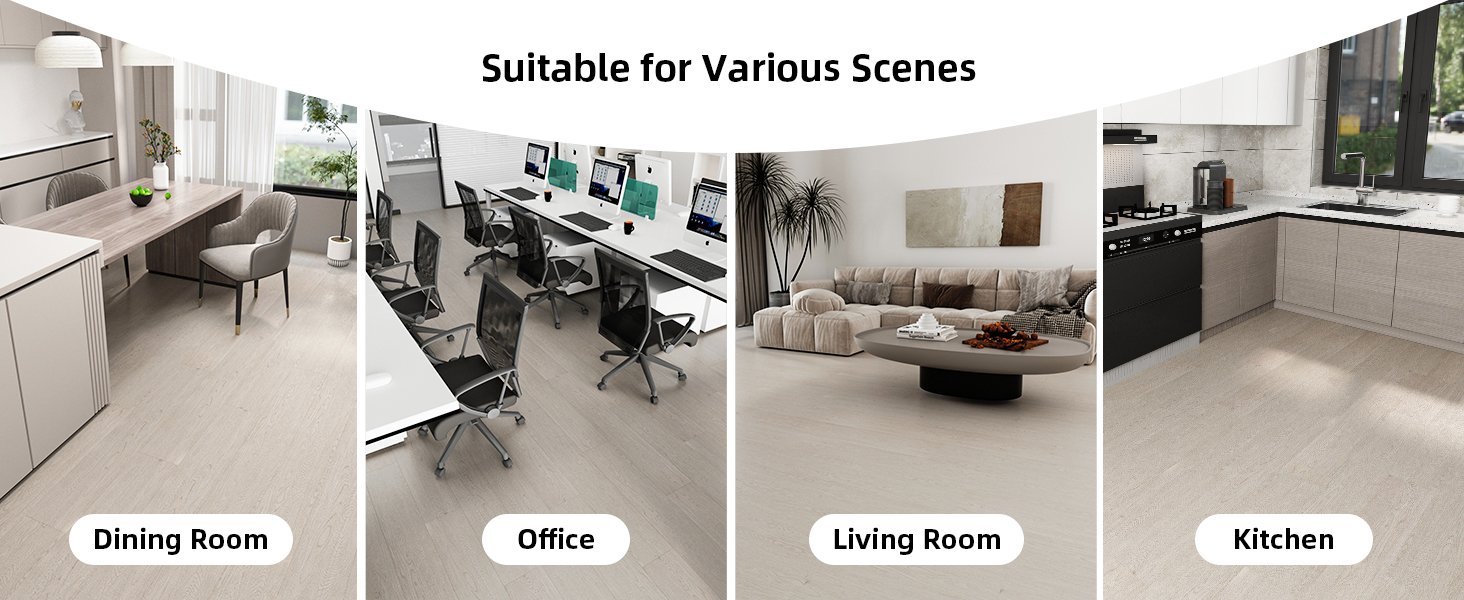
Thanks to its durability and waterproof properties, SPC flooring is ideal for:
- Kitchens and bathrooms (water-resistant, easy to clean)
- Basements and sunrooms (handles temperature fluctuations)
- High-traffic areas (hallways, living rooms, entryways)
- Homes with kids and pets (scratch- and dent-resistant)
What Is Peel-and-Stick Vinyl (PVC)Flooring?
Peel-and-stick vinyl flooring is a flexible, budget-friendly option designed for quick, temporary upgrades. It features a thin vinyl core and a self-adhesive backing (some variants require additional glue) that allows you to simply peel off the protective film and press the plank into place.
Key Features of Peel-and-Stick Vinyl Flooring
- Thinner Wear Layer (0.15mm): The thin wear layer is soft and comfortable underfoot but prone to scratches and wear over time, especially in high-traffic areas.
- Flexible Vinyl Core: The soft core is forgiving but can permanently indent under heavy furniture or sharp objects.
- Temperature Sensitivity: Peel-and-stick vinyl expands and contracts with changes in temperature and humidity, requiring intentional gaps during installation to prevent buckling or warping.
- No Mute Cushion Layer: Unlike SPC, peel-and-stick vinyl lacks built-in soundproofing, making it louder underfoot and less comfortable for long periods of standing.
- Variable Installation: While most options are self-adhesive, some types require extra glue for better adhesion, especially on uneven or dusty subfloors.
Best Use Cases for Peel-and-Stick Vinyl Flooring
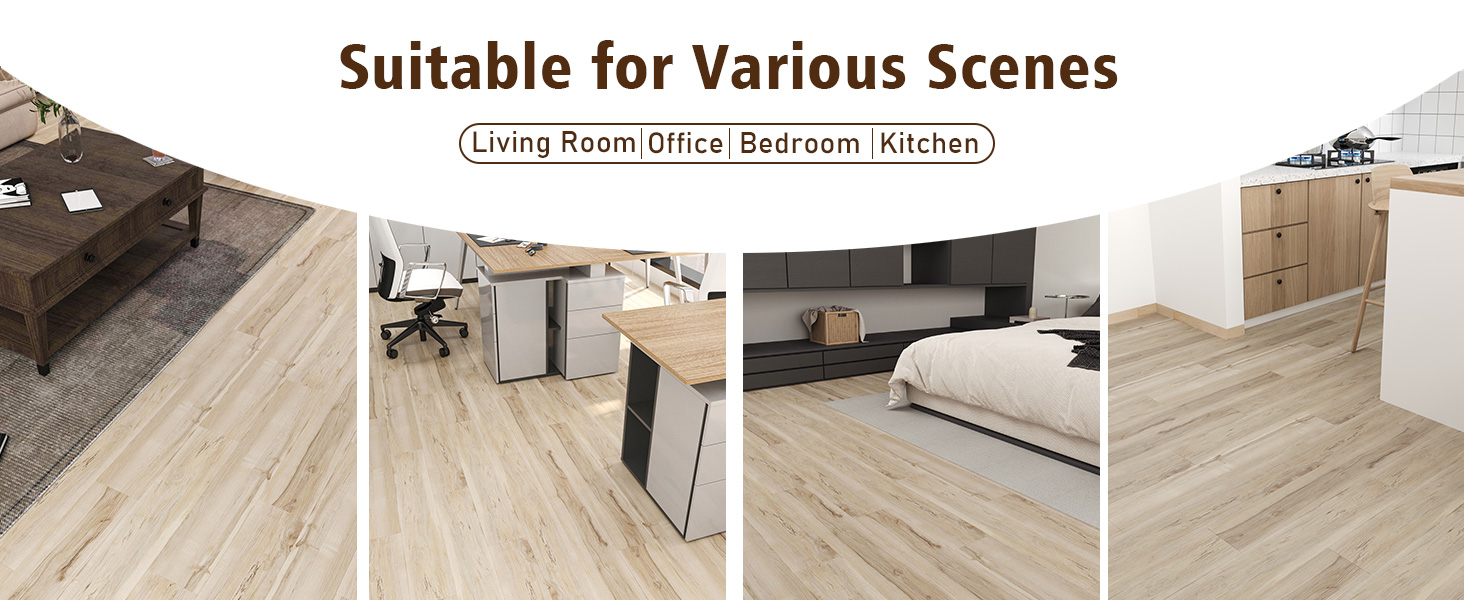
Peel-and-stick vinyl is perfect for:
- Bedrooms and guest rooms (low-traffic, dry spaces)
- Rental properties (easy to install and remove without damaging the subfloor)
- Temporary makeovers or quick budget projects
- Closets and small, low-traffic areas
Pros and Cons of SPC Flooring
Pros
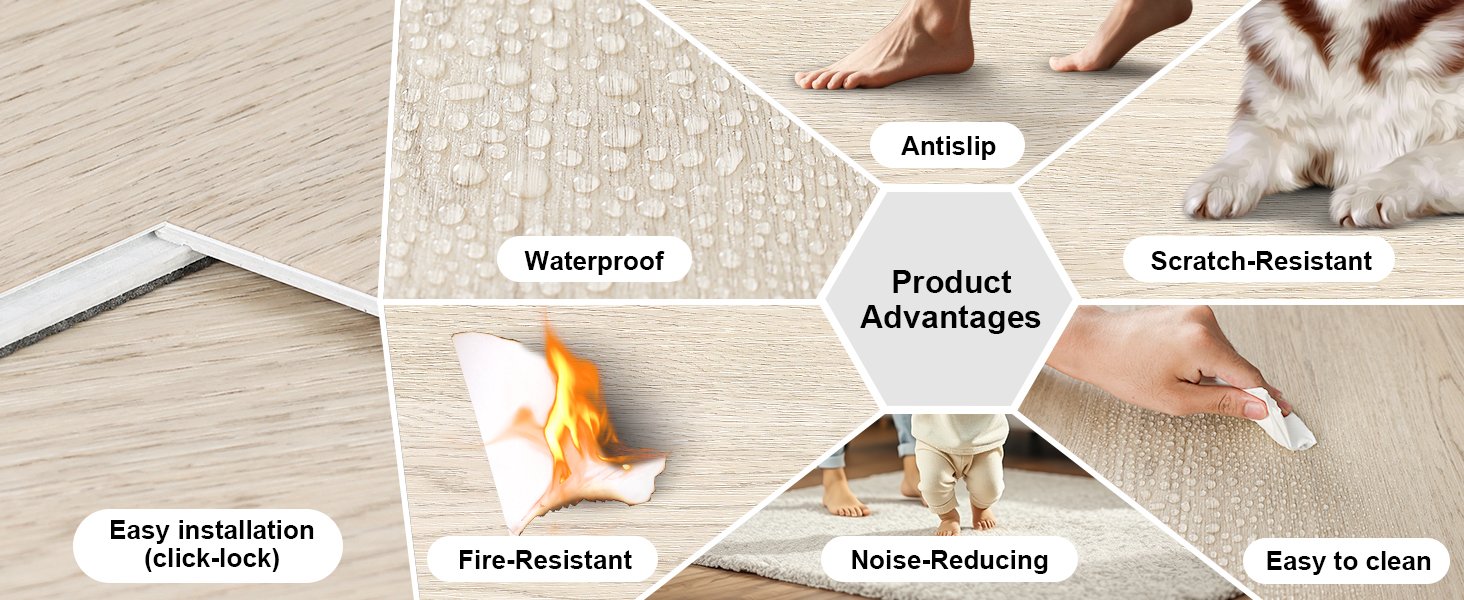
- Extreme Durability: Resists scratches, dents, and stains, making it ideal for busy households.
- Waterproof: Safe for wet areas like kitchens, bathrooms, and basements.
- Stable: Doesn’t warp or gap with temperature changes.
- Easy Installation: Click-lock system requires no glue, making it perfect for DIYers.
- Soundproofing: Built-in cushion layer reduces noise and adds comfort.
Cons
- Higher Upfront Cost: More expensive than peel-and-stick vinyl, but offers a longer lifespan.
- Heavier Planks: The rigid core makes SPC planks slightly heavier to handle during installation.
Pros and Cons of Peel-and-Stick Vinyl Flooring
Pros
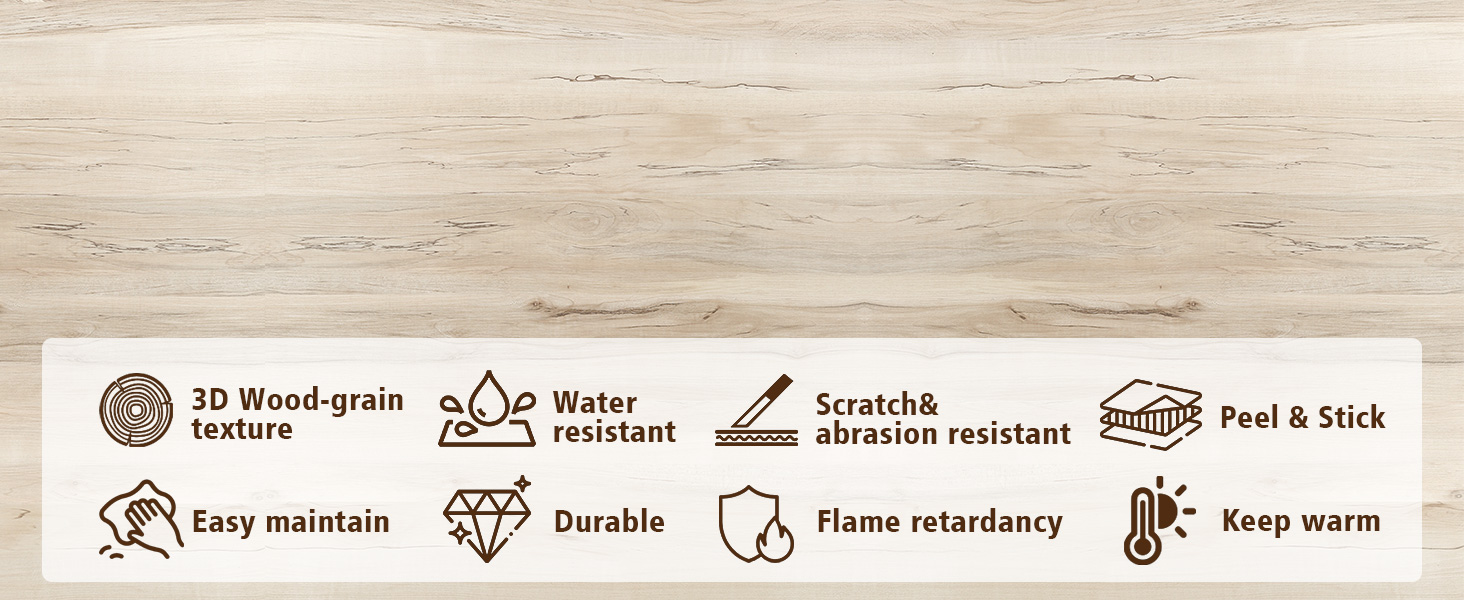
- Ultra-Budget-Friendly: One of the cheapest flooring options available.
- Easy Installation: Self-adhesive backing allows for quick, tool-free installation.
- Removable: Easy to peel up and replace, making it ideal for rentals or temporary spaces.
- Soft Underfoot: Flexible core provides a comfortable walking surface.
Cons
- Low Durability: Thin wear layer wears out quickly, especially in high-traffic areas.
- Prone to Dents: Soft core indents permanently under heavy furniture.
- Temperature Sensitivity: Expands and contracts, leading to potential buckling or gaps.
- Noisy: Lack of soundproofing makes it louder underfoot than SPC.
Which Flooring Should You Choose?
The right choice depends on your priorities, budget, and how you plan to use the space:
Choose SPC Flooring If:
- You want a long-term investment that will last 15+ years.
- You need flooring for high-traffic areas or wet spaces (kitchens, basements).
- You have kids or pets and need a scratch- and dent-resistant surface.
- You value soundproofing and a comfortable underfoot feel.
- You’re willing to pay a little more upfront for superior durability and performance.
Choose Peel-and-Stick Vinyl Flooring If:
- You’re working with a tight budget and need a quick, temporary upgrade.
- You’re renovating a rental property and need flooring that’s easy to install and remove.
- The space is low-traffic (bedrooms, closets, guest rooms).
- You prefer a soft, flexible feel underfoot.
- You don’t need long-term durability and plan to replace the flooring in 5–10 years.
There’s no universal “better” flooring option—only the one that’s right for your unique needs. SPC flooring is the clear winner for long-term durability, performance, and peace of mind, especially in high-traffic or wet areas. Peel-and-stick vinyl, on the other hand, is a great budget-friendly choice for temporary upgrades or low-traffic spaces where easy installation and removal are key.
Before making a decision, we recommend ordering samples of both SPC and peel-and-stick vinyl flooring to test their feel, durability, and appearance in your home. This will help you make an informed choice that you’ll be happy with for years to come.
If you have any questions about SPC or peel-and-stick vinyl flooring, feel free to reach out—we’re here to help!