 Jeedeson Official Website
Adaptability of Bamboo Floor Installation at Home
The adaptability of Jeedeson bamboo flooring installed at home is an important indicator to measure its use effect in the home. Because of its natural, environmental protection, durable and other advantages, bamboo flooring has gradually been liked in recent years.
However, its installation adaptability at home not only depends on the material itself, but is also closely related to multiple factors such as installation, conditions, and maintenance. The following will elaborate on the adaptability of bamboo floor installation at home from the aspects of installation, applicable space, installation process, and maintenance requirements.

1. Adaptability of installation and process
There are two main types of installation of bamboo flooring: T-mortise and tenon method and Uniclic ® method. These two types do not need to use glue, and belong to “glue-free floating installation”, which can effectively avoid affecting the life and health and safety of the floor due to glue aging or release of harmful substances . Of course, some bamboo floors also support suspension installation, that is, a certain space is left between the floor heating or floor cooling system and the floor to adapt to the thermal expansion and contraction caused by temperature changes It is especially suitable for families with more floor heating systems.
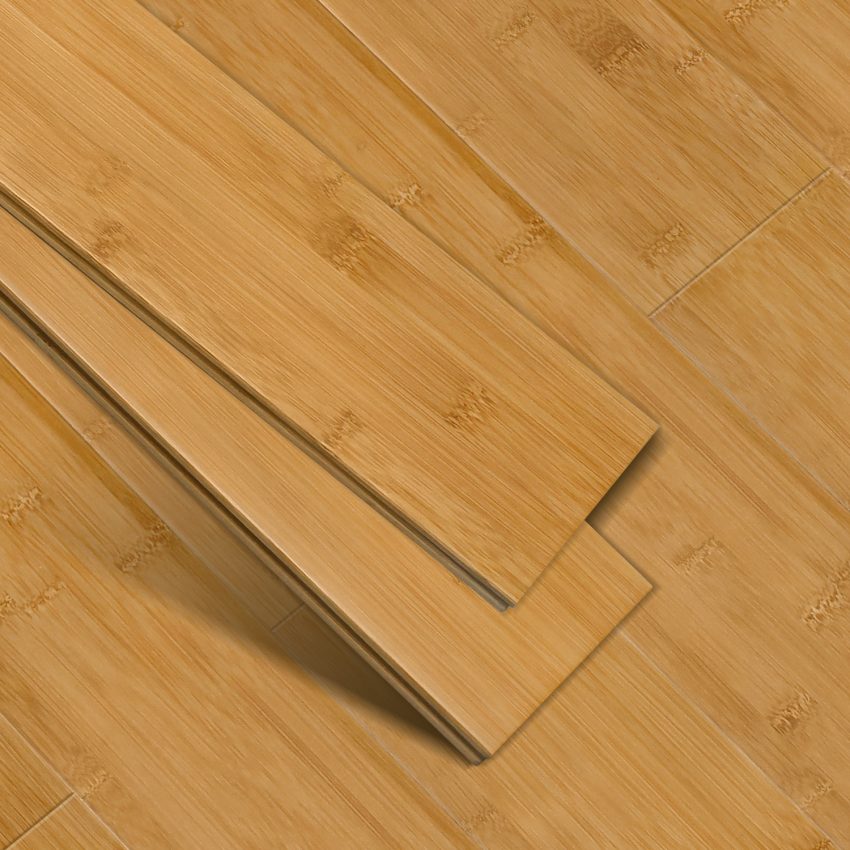
During the installation process, you also need to pay attention to the following points:
Reserve a gap: Installation should allow for a 1-2% slope for water problems and ensure that the floor has enough room to expand and contract when the temperature changes.
Use PE film or steam barrier: Before laying, it is recommended to use PE film or polyethylene steam barrier to prevent ground moisture from penetrating into the floor, which can affect its stability. Selected fixing: Depending on the floor type, you can choose to use fasteners to fix or screw directly to the ground. With thicker bamboo floors, screw fixation is recommended for added stability.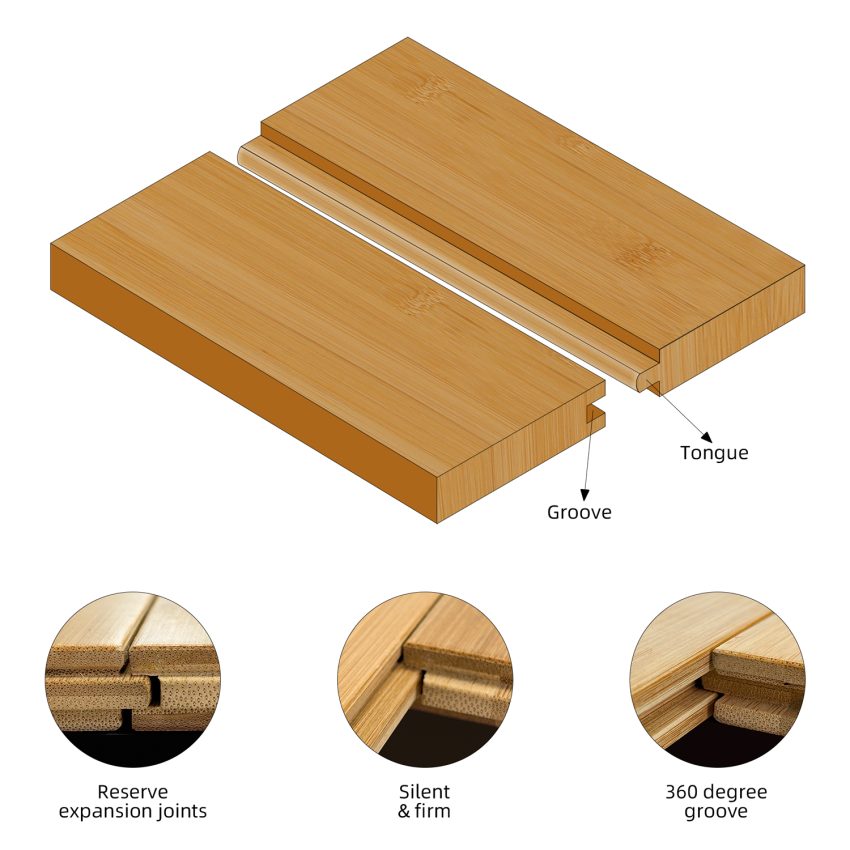
2. Applicable space and adaptability:
Jeedeson bamboo flooring has a wide range of applicable spaces, but its performance varies in different ways. jeedeson bamboo flooring is ideal for residential and commercial uses including basements, semi, home offices, churches, libraries, kitchens, dining rooms, bedrooms, and more. However, bamboo flooring is not suitable for all, especially in areas with large temperature differences. For example, bamboo flooring in or kitchen use, you must pay special attention to moisture-proof treatment, otherwise it is easy to deform or crack due to changes in humidity. 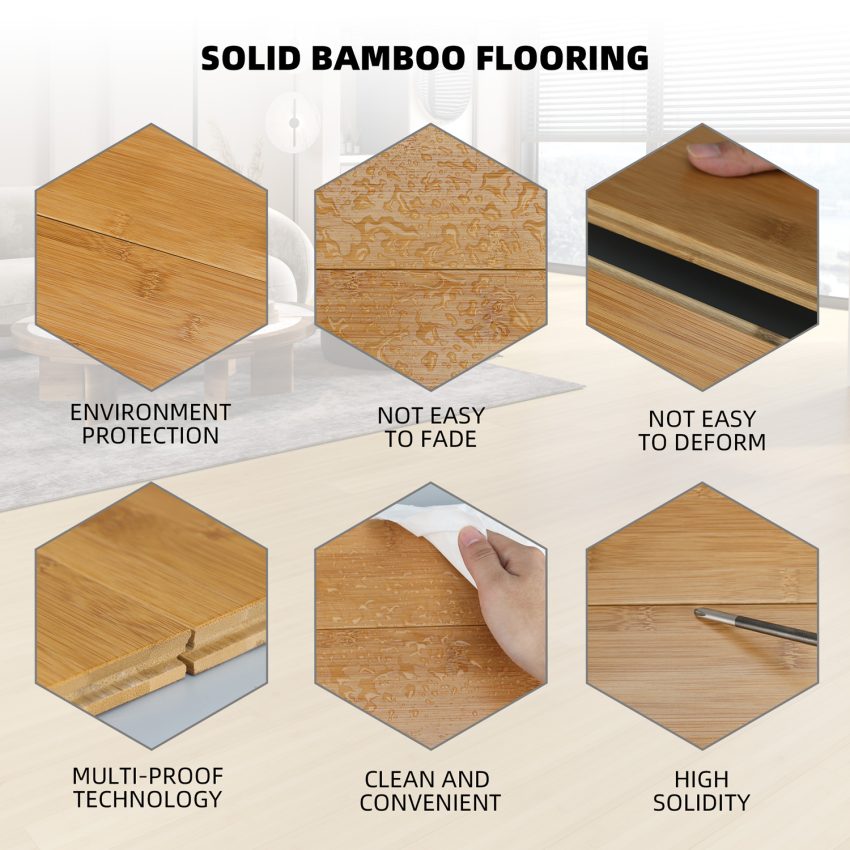
Moisture content of bamboo floor is the key factor that affects its stability. The moisture content of Jeedeson bamboo floor will be controlled within 8% to prevent deformation due to moisture absorption or water loss shrinkage. Before installation, it is recommended to protect the ground against moisture and use a waterproof isolation layer to ensure that the floor can perform well in the middle. 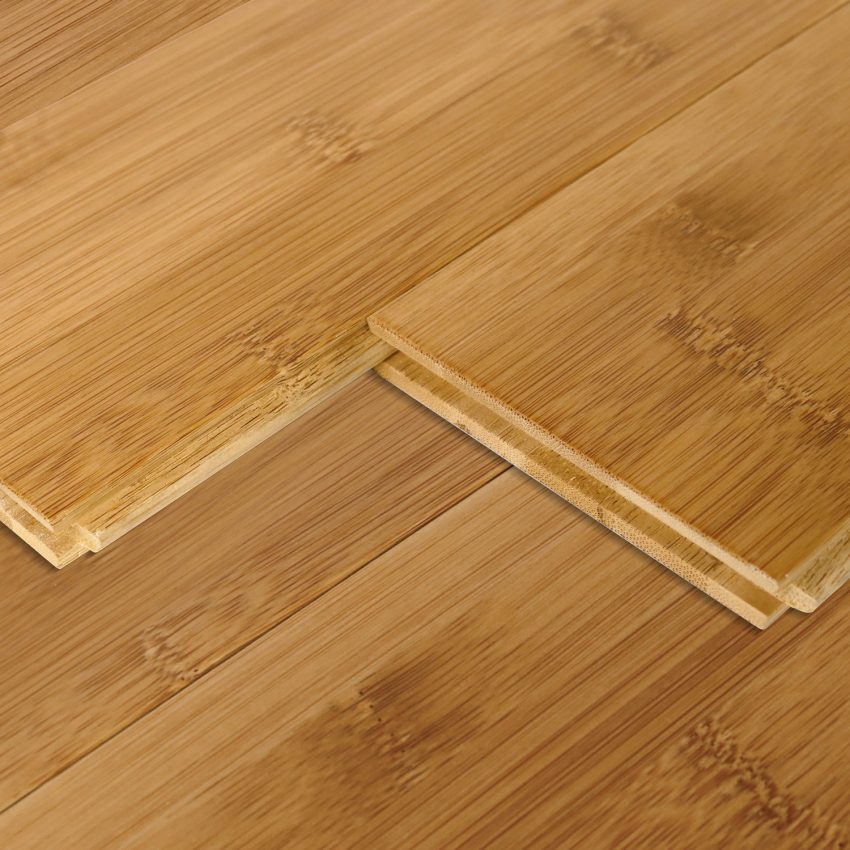
3. Material and thickness fit:
The thickness and material of bamboo floor directly affect its service life and stability. According to the European bamboo wood floor surface thickness is generally required to 4 mm or more to ensure its wear resistance and durability. While mentioning that Jeedeson Natural Fluid Bamboo Flooring has a thickness of about 15mm for both home and commercial use. Thicker bamboo flooring usually has better stability and resistance to deformation, making it suitable for areas with high traffic or underfloor heating systems. 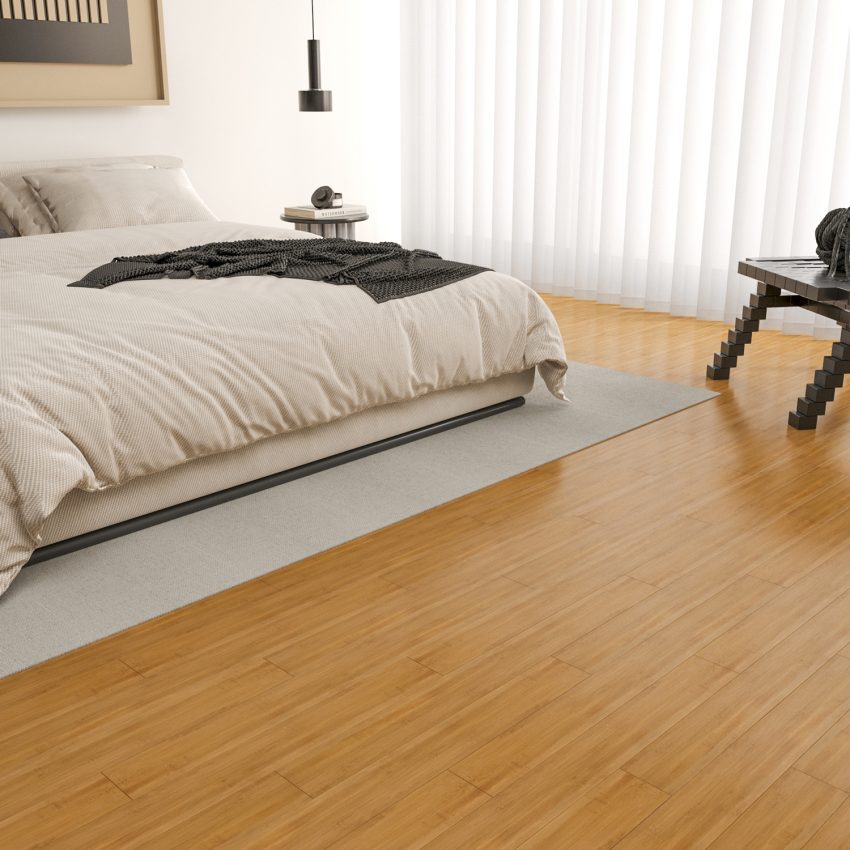
The material of bamboo flooring can also affect its performance. For example, solid carbonized bamboo and solid natural bamboo are suitable for high-use areas such as living rooms, bedrooms, etc. due to their high hardness and stability. And flexible bamboo flooring (such as UNI bamboo flooring) is more suitable for use, such as, kitchen and so on. 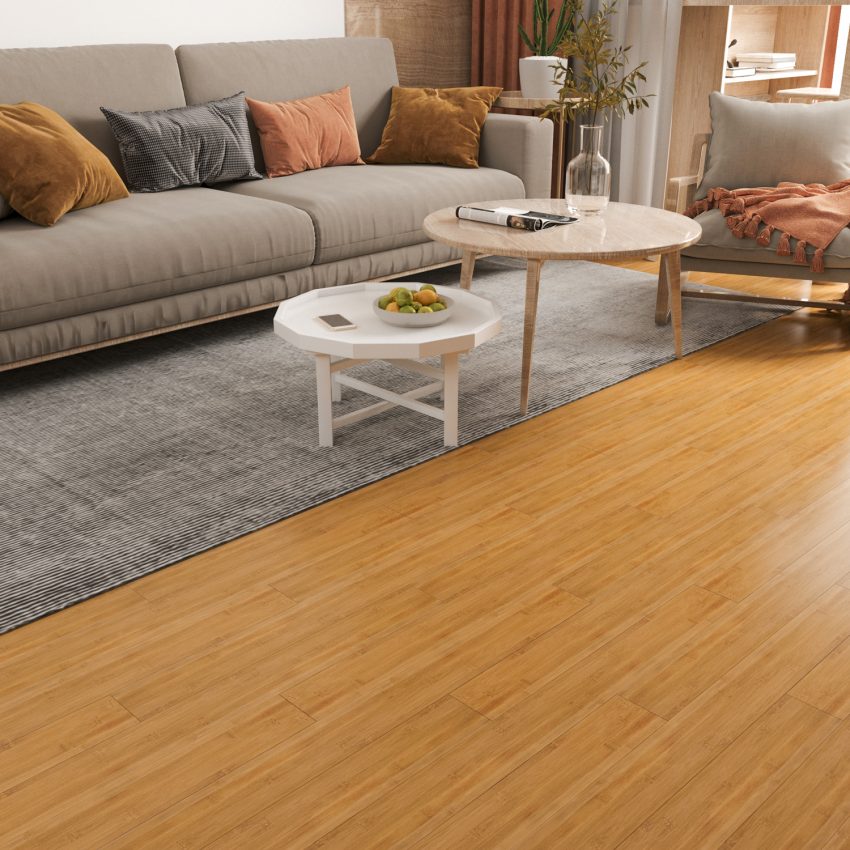 4. Maintenance and maintenance adaptability:
Jeedeson bamboo flooring is relatively simple to maintain, but it can also cause floor damage if it is not handled properly. According to the daily maintenance of bamboo flooring, it mainly includes:
- Regular sweeping: Use a soft-bristled broom or vacuum cleaner to remove dust and debris, and avoid using a vacuum cleaner with a rotating brush to avoid scratching the floor surface.
- Avoid using wet mopping: The surface of bamboo flooring should be dry, avoid using wet mopping or too much detergent, so as not to cause permanent damage.
- Use special cleaners: You should choose non-abrasive cleaners, and avoid using cleaners with acidic or alkaline ingredients, so as not to corrode the floor surface.
- Oiling regularly: Bamboo floors should be treated with waterproof vegetable oil/agent after installation to enhance their waterproofness and durability. If you don’t maintain it within a year, the floor may turn gray and the bamboo pattern will be blurred.
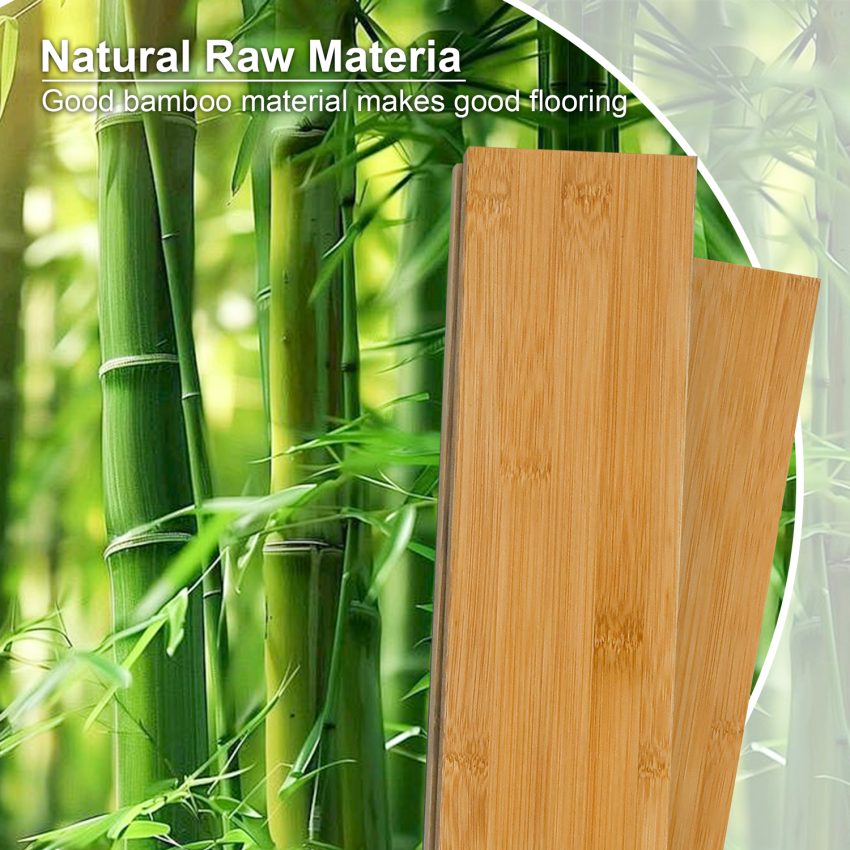
Because of its natural materials and low formaldehyde emission, Jeedeson bamboo flooring has become an increasingly popular environmentally friendly flooring choice in European and American countries. Jeedeson bamboo flooring has a high thickness of UV protective layer, so the installation of radiant flooring is the best solution. In addition, bamboo, as a herb rather than a hardwood tree, has a short growth cycle, less impact, no need to plant, and low demand for fertilizers and pesticides.