 Jeedeson Official Website
Jeedeson Entrance Bath Mat: The First Line of Defense for Home Comfort and Safety
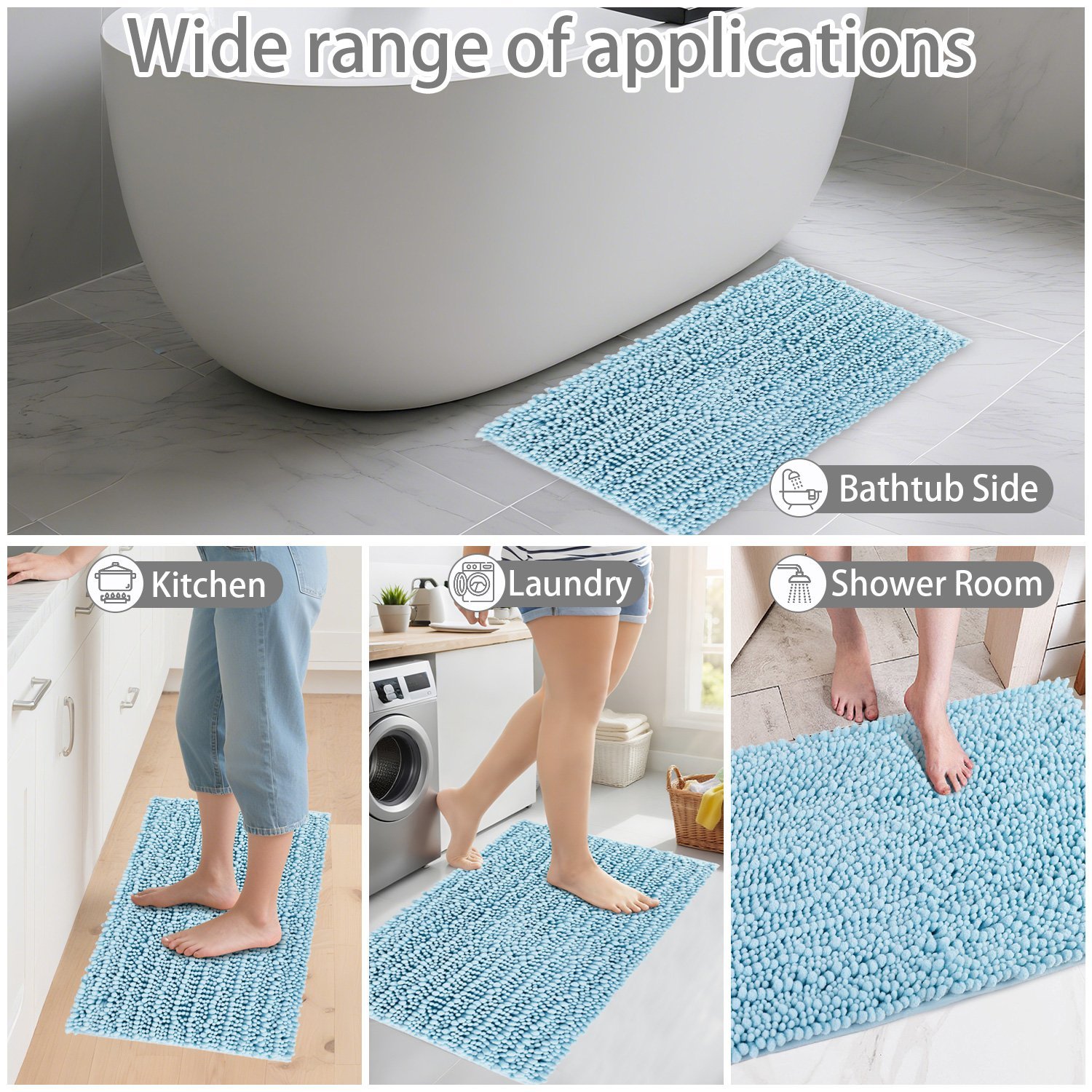
As a seemingly minor yet crucial accessory in home life, bath mats play an indispensable role in enhancing comfort, ensuring safety, and beautifying spaces. This article comprehensively explores key considerations for selecting entrance bath mats, material properties, design styles, usage and maintenance, as well as market trends—helping you choose the most suitable bath mat solution for your home.
 I. The Importance and Core Functions of Entryway Bath Mats
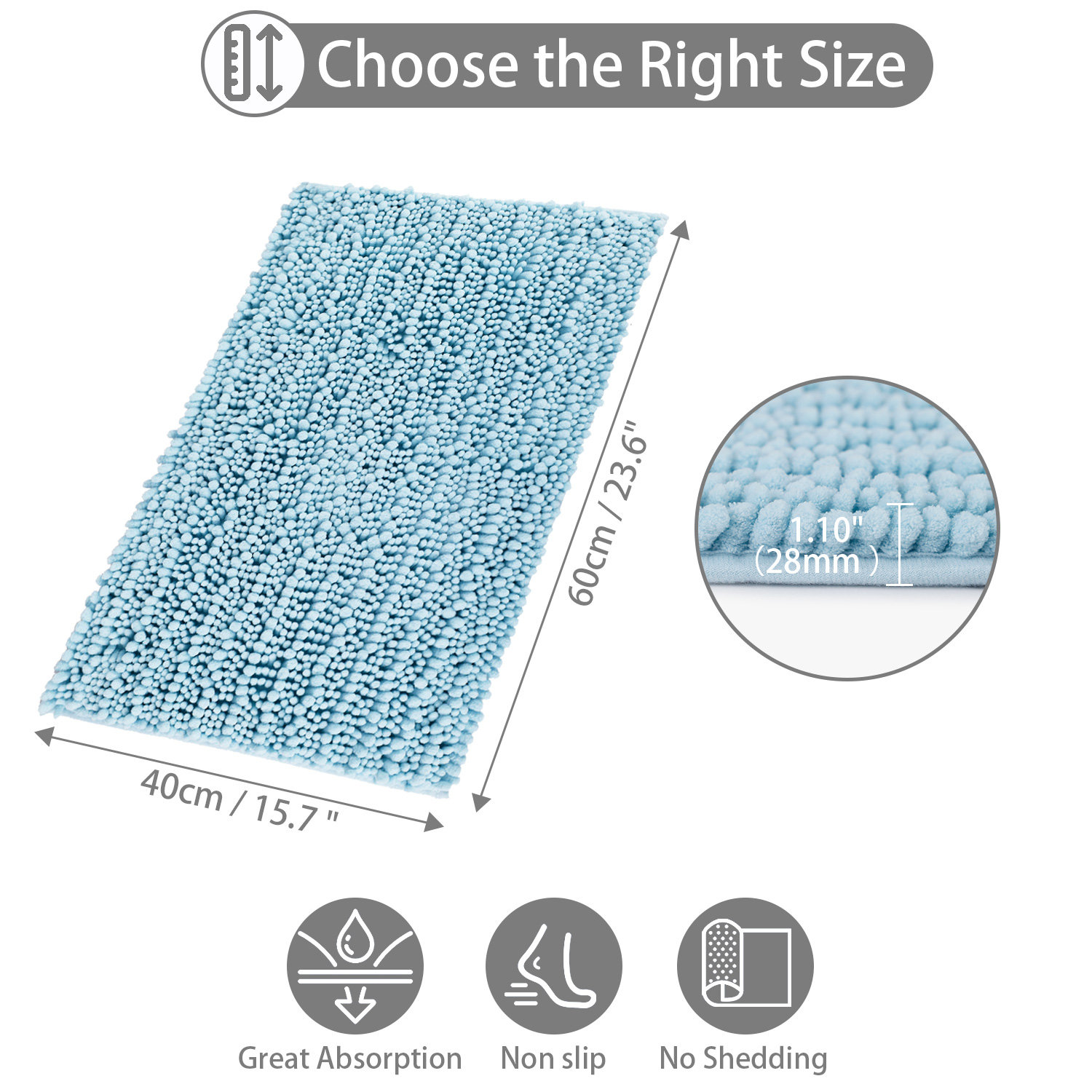
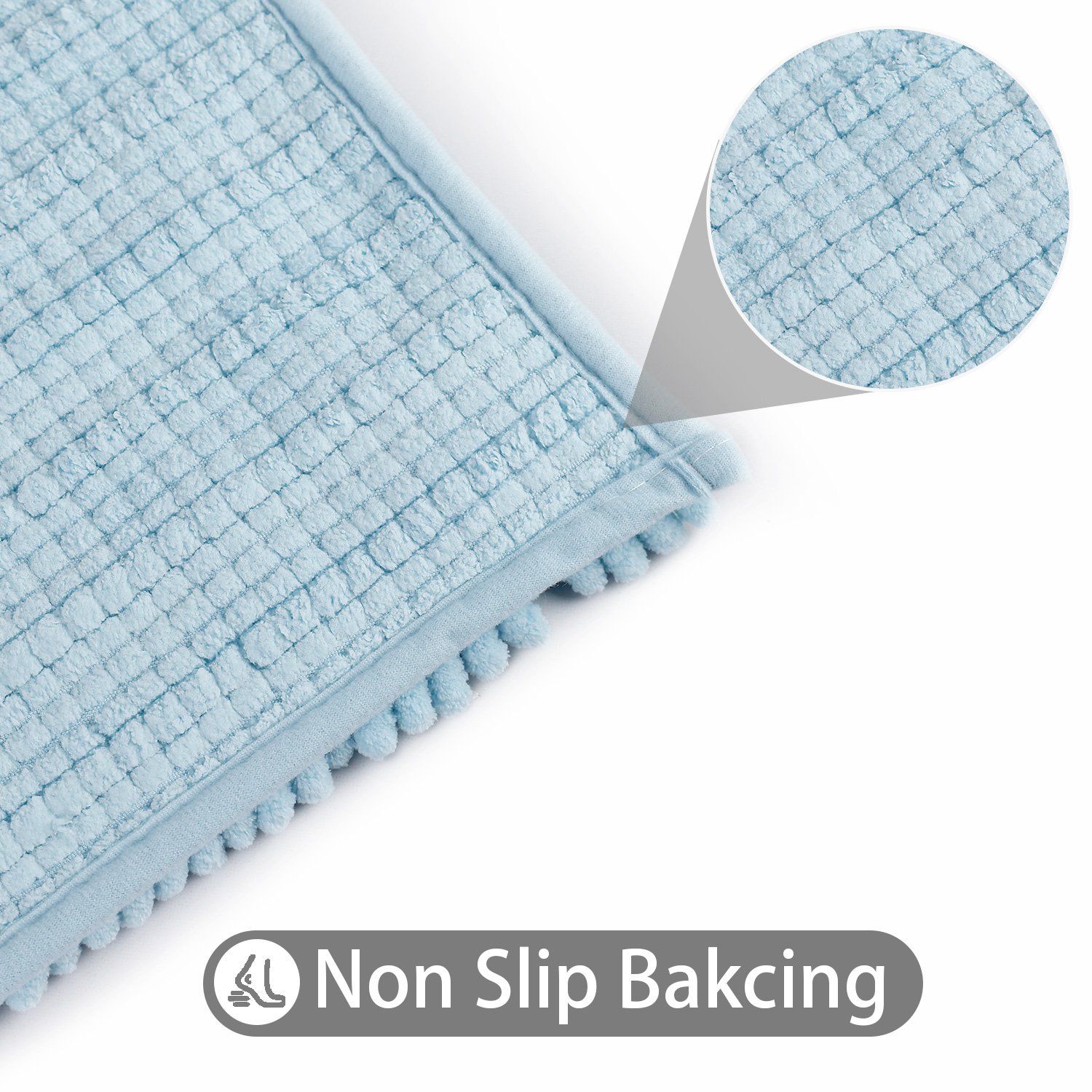
Far from mere decoration, entryway bath mats form a vital component of your home’s health and safety system. In the humid bathroom environment, a high-quality mat effectively absorbs moisture from your feet, preventing water from being tracked into other areas of your home and keeping floors dry and tidy. Statistics indicate that nearly 70% of household slip accidents occur in bathrooms and surrounding areas, while using anti-slip mats can reduce such risks by approximately 60%. The anti-slip performance of bathroom mats is particularly crucial. Premium products typically feature dual anti-slip designs: a high-density rubber or TPR base ensures the mat stays firmly anchored to the floor, while the surface incorporates textured patterns or quick-drying materials to enhance foot friction. Additionally, bath mats effectively shield floors from water damage, especially protecting delicate materials like hardwood flooring. Prolonged moisture exposure can cause swelling and warping, whereas bath mats provide a protective buffer.
 From a hygiene perspective, bath mats trap dust and bacteria. Contaminants brought indoors daily first settle on entryway mats. Choosing mats with antimicrobial treatment inhibits the growth of common pathogens like E. coli and Staphylococcus aureus. Research by the U.S. Environmental Protection Agency (EPA) indicates that households using antimicrobial bath mats have an average of 45% fewer bacteria in their bathrooms compared to those without mats.
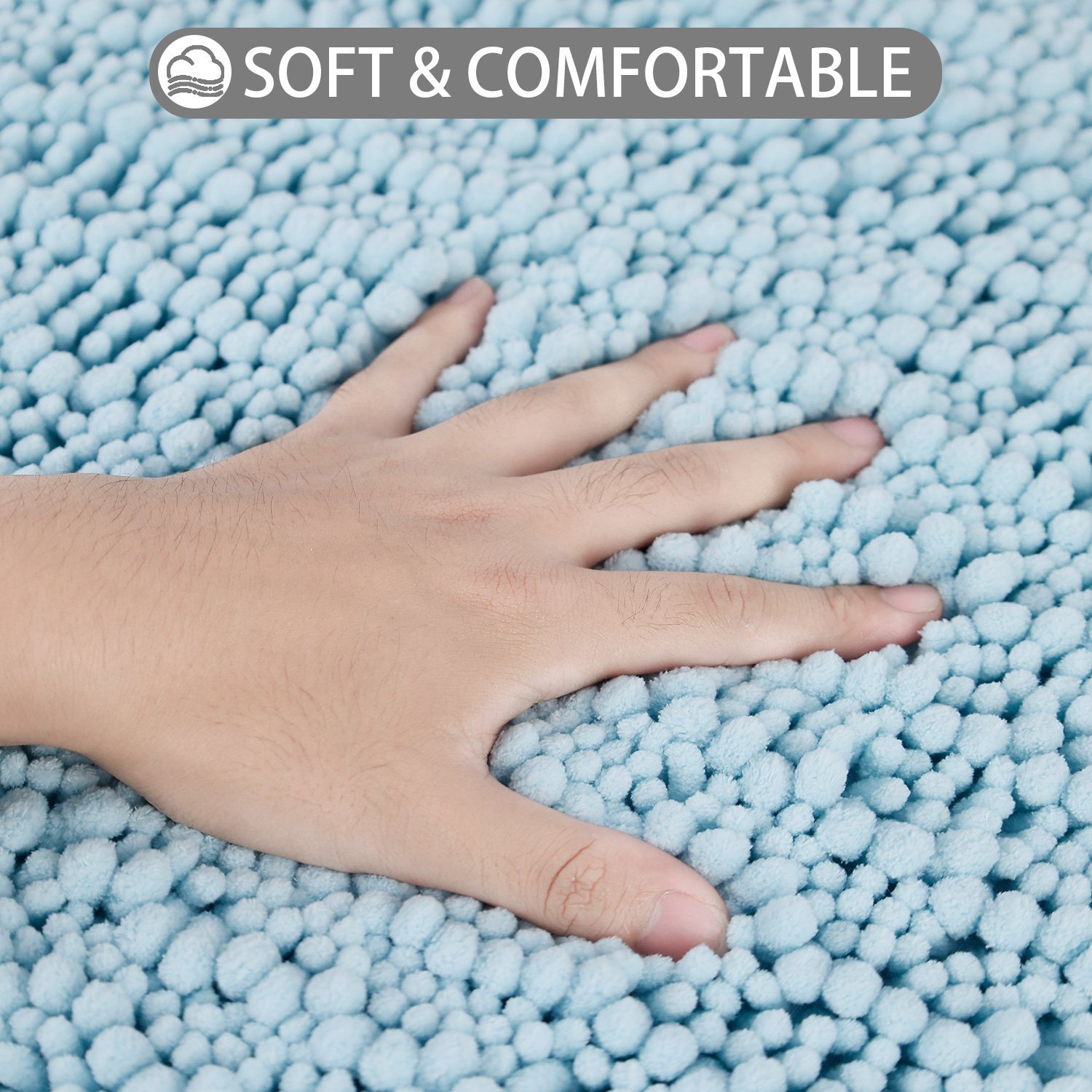 Among synthetic materials, microfiber is favored for its exceptional water absorption (four times that of cotton) and quick-drying properties, making it ideal for high-traffic household bathrooms. Memory foam mats offer unparalleled comfort underfoot, alleviating foot pressure, but typically require 6-8 hours to fully dry, making them better suited for well-ventilated bathrooms. Emerging TPE (thermoplastic elastomer) materials combine rubber’s slip resistance with plastic’s durability while being free of harmful substances like PVC and phthalates, making them a new favorite for eco-conscious households.
 As the “fifth wall” within a space, bath mats should be selected to harmonize with the overall decor style. For modern minimalist styles, monochromatic or geometric patterns are ideal—think gradient shades of gray, white, and black, or bold linear designs. Materials like diatomaceous earth or faux stone textures create a clean, crisp visual impact. Nordic-inspired bathrooms benefit from light wood-grain borders paired with natural motifs such as pine needles or antlers, preferably in cotton-linen blends.
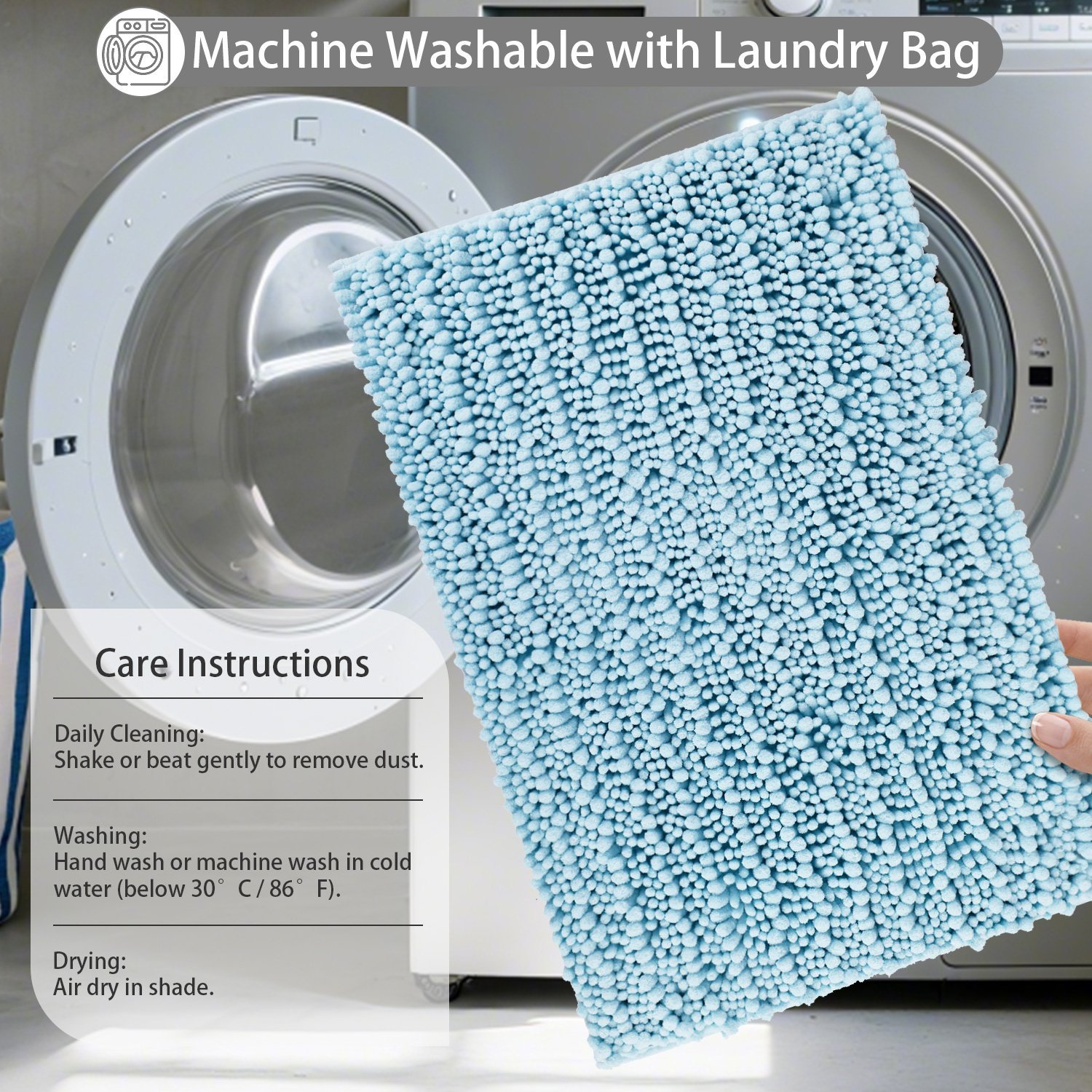 Bath mats will evolve from simple household items into smart home terminals that integrate safety protection, health monitoring, and environmental regulation. Choosing the right bath mat is a wise move to enhance your quality of life in subtle yet meaningful ways.