 Jeedeson Official Website
How to Choose the Right Glossiness for Your Flooring?
The standards for glossiness are mainly divided into the following categories:
High Gloss: With a glossiness greater than 85, the surface is smooth like a mirror, reflecting strong light, and the paint film is bright and dazzling. It is suitable for occasions that pursue ultimate decorative effects and aesthetics, such as floor painting.
Semi Gloss: The glossiness is between 61-85, and the surface has a certain glossiness, fresh and bright, with low sensitivity to scratches, suitable for various purposes.
Low Gloss: The glossiness is between 31-60, between light and flat, with a soft and elegant paint film, suitable for occasions that require a certain glossiness but do not want to be too dazzling.
Matte: The glossiness is between 16-30, with a slight luster on the surface, soft and warm, suitable for decorative styles that pursue low-key and warm luster.
Matte (Flat): Gloss between 0-15, almost no gloss, foggy, non reflective, stable and low-key, providing a certain degree of concealment and protection.
Testing standards:
The testing standard for paint glossiness usually adopts the EN ISO 2813 international standard, and the measurement angles are generally 20 °, 60 °, and 85 °.
The specific standards are as follows:
High gloss paint: glossiness above 75
Flat paint: Glossiness 50-75
Matte paint: glossiness 10-50
Matte paint: Gloss level below 10.
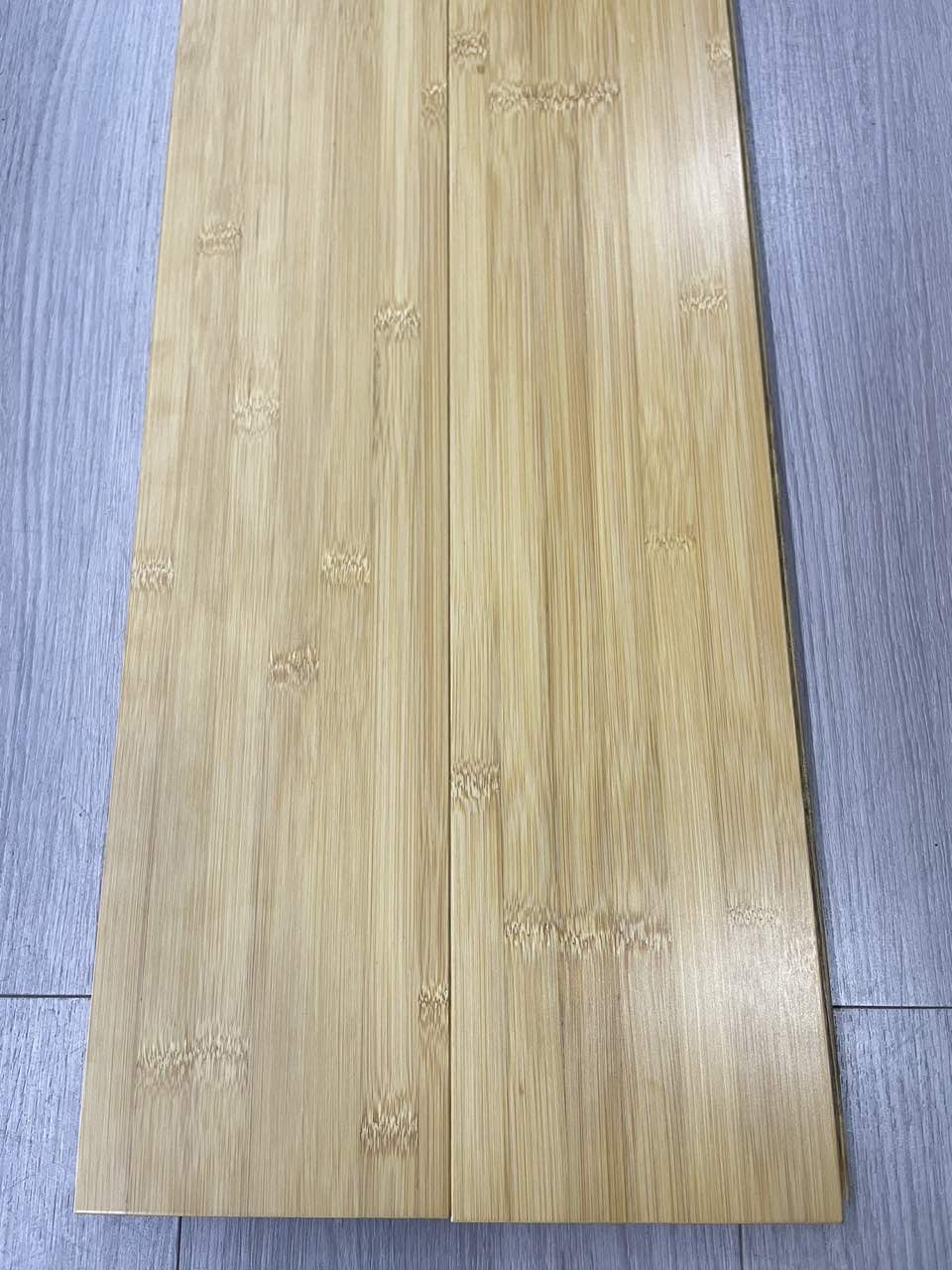 For example, the bamboo flooring on the left is Matte paint glossiness 10 and the one on the right is Matte paint glossiness 30
Factors affecting glossiness:
The glossiness of spray paint is influenced by various factors, including:
Surface smoothness: The surface smoothness of the paint film directly affects glossiness, and improper base treatment can lead to a decrease in glossiness.
Resin quality: Different qualities of resin have different effects on glossiness, and the quality and evaporation rate of solvents can also affect the smoothness and glossiness of the paint film.
Particle size and base material dispersibility: Particle size and base material dispersibility can affect the glossiness of the paint film. The better the dispersibility, the smoother the surface.
Color paste concentration: The color paste used for color mixing will weaken the specular reflection of acrylic lotion. The higher the concentration, the lower the gloss.
The angle of incidence of light: The angle of incidence of light also affects the measurement results of glossiness, usually measured at 45 °, 60 °, and 85 ° incidence angles.
When it comes to choosing the perfect flooring for your home, there are a lot of factors to consider. From the type of material to the color and design, every decision plays a crucial role in creating the overall aesthetic of your space. One important aspect that oftengets overlooked is the glossiness of the flooring. Many people are not aware that the level of gloss can greatly impact the look and feel of a room.
In this article, wewill guide you on how to choose the right glossiness for your flooring, so you can create a beautiful and cohesive space that reflects your personal style.
Understanding Glossiness Levels,Each level has its own unique characteristics and can drastically change the appearance of your flooring.
The size and lighting of a room play a significant role in determining the ideal glossiness for your flooring.In smaller rooms with limited natural light, it is best to choose a gloss level that reflects light, such as high-gloss or semi-gloss. This will help create the illusion of a larger space and make the room feel brighter. On the other hand, in larger rooms with ample natural light, a matte or satin finish can add warmth and depth to the space.
3. Style and Design
It is important to consider the maintenance and upkeep of your flooring when choosing the gloss level. High-gloss flooring requires more frequent cleaning and may show dirt and dust more easily. If you prefer a low-maintenance option, a matte or satin finish may be a better choice.