 Jeedeson Official Website
Dish Drying Mat
A stone drying mat is a slab of diatomaceous earth — fossilised algae, pressed and fired — that pulls water off dishes by capillary action instead of soaking it up like a towel.
Showing all 8 results
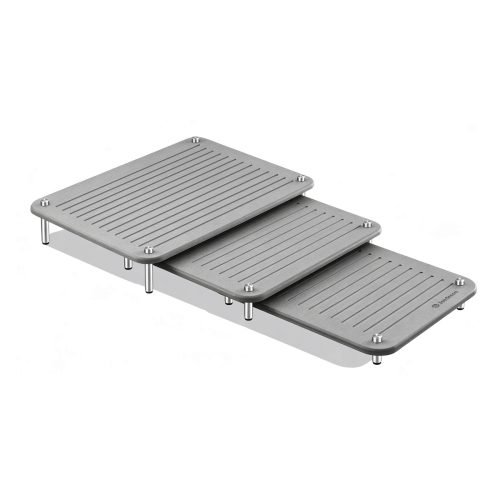
Jeedeson 3-Piece Set Diatomite Dish Drying Mat, Quick Absorbent Non-Slip Fast-Drying Mat for Kitchen Bathroom Pet Plant Use
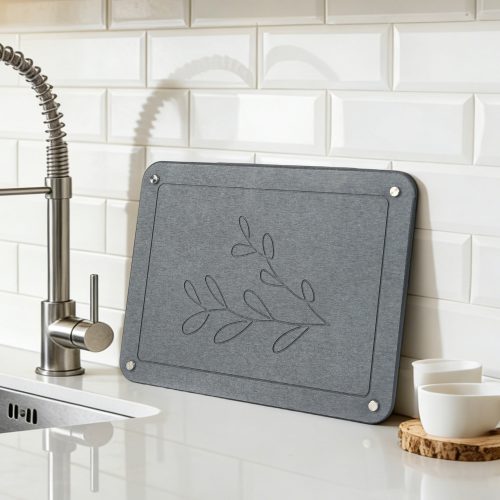
Jeedeson Diatomaceous Earth Dish Drying Mat,Expandable Design Saves Counter Space
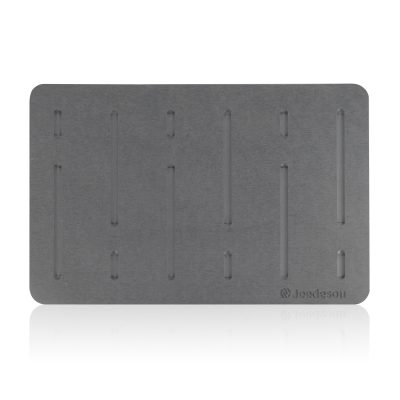
Jeedeson stone drying mat for kitchen counter 15.4 in x 23.6 In Gary
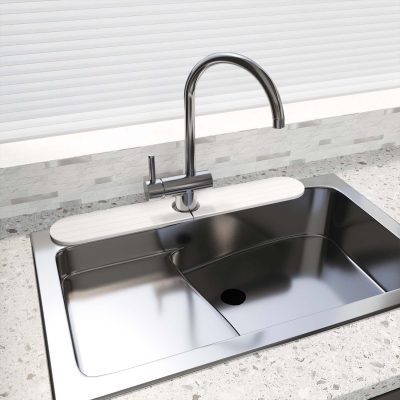
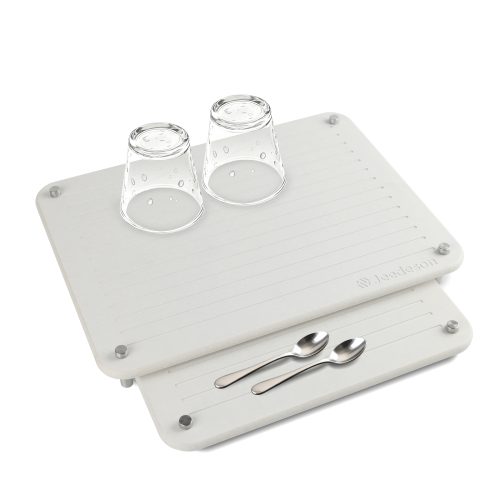
Jeedeson Best Drying Mat For Dishes With 2 Pack Diatomaceous Earth Quick Dry
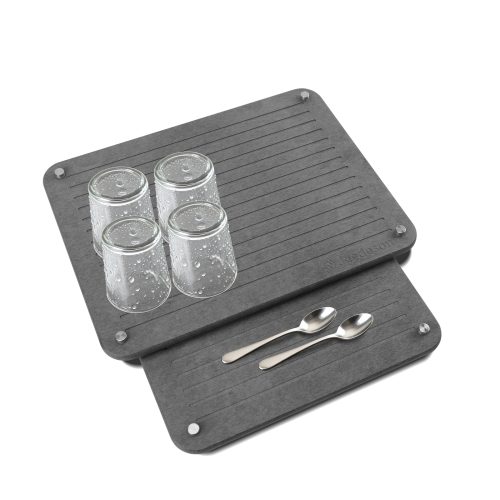
Jeedeson Diatomaceous Drying Dish Mat With 2 Pack Quick Dry For Kitchen Counter
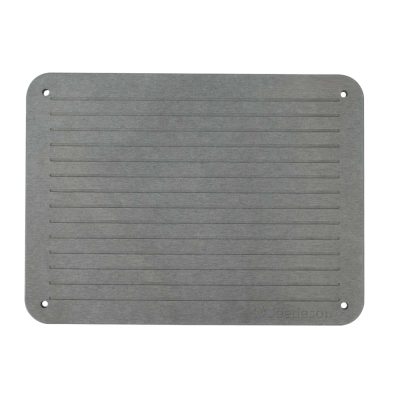
Jeedeson Diatomaceous Stone Dish Drying Mat With 15.75 in. x 11.81 in. Quick Dry Easy Clean
Jeedeson Drying Stone for Dishes – Diatomaceous Earth Dish Drying Mat, 15.75 x 11.81 in
Stone Drying Mat: Diatomite Mats That Dry Dishes in Minutes
Why Diatomite Dries Faster Than a Cloth Mat
A microfiber mat holds water between its fibres and stays wet until you wash and dry it. Diatomite holds water inside the stone and releases it into the air. That is why a stone mat goes from wet to dry in ten or fifteen minutes on a normal kitchen counter, while a cloth mat is still damp at the next meal.
The trade-off is honest: a stone mat absorbs, it does not sterilise. It takes the drip off a freshly washed plate so the plate and the counter stay dry — the plate still air-dries, it just does it without a puddle under it.
Sizes: What Each One Actually Holds
Sizes are listed in inches because that is how they are sold and how counters are measured. As a rule, allow one mat per sink area, and pick the wider one if you stack plates rather than stand them.
| Size | What it holds | Best for |
|---|---|---|
| 15.75 × 11.81 in | 8–10 stacked plates, or a few glasses and cups | Small kitchens, one or two people |
| 15.4 × 23.6 in | A full dinner set plus a pan or two | Family kitchens, next to a double sink |
| 23.62 × 3.94 in | It is a faucet mat — it catches splash, not dishes | Behind the tap, to stop water running to the backsplash |
| 2-pack / 3-piece set | Two work zones, or one long run under a drying rack | Double sinks, or splitting kitchen and bathroom |
| Expandable | Slides out to cover more counter when you need it | Counters that double as prep space |
How to Keep It Absorbing
A stone mat does not wear out — it clogs. Soap residue, cooking oil and hard-water minerals fill the pores, and the mat starts pooling water on top. Two habits prevent it:
- Wipe, do not rinse. A damp cloth is enough for daily use. Running it under the tap pushes soap into the pores.
- Sand it once a month. A few passes with 400-grit paper, dry, opens the surface again. Most mats come back to nearly new the first three or four times you do this.
- Let the back breathe. Do not silicone it to the counter or stand it on a wet surface — trapped moisture under the slab is what makes them smell.
- Never put it in the dishwasher. The heat and the detergent both attack the binder.
Stone Mat vs Microfiber vs Dish Rack
| Stone (diatomite) | Microfiber mat | Wire dish rack | |
|---|---|---|---|
| Where the water goes | Into the stone, then into the air | Into the fabric, stays there | Drips into a tray below |
| Counter stays dry | Yes | No — the mat is wet | Yes, if you empty the tray |
| Dries in | 10–20 minutes | Hours, or overnight | Immediate for the dishes |
| Needs washing | Wipe, sand monthly | Machine wash every few days | Wipe the tray weekly |
| Footprint | Flat, slides under a cabinet | Flat, but bulky when wet | Takes counter height |
| Breaks if dropped | Yes | No | No |
Frequently Asked Questions
Does a stone drying mat really dry dishes?
It removes the standing water that a plate would otherwise sit in. The plate then air-dries quickly because there is no puddle underneath it. It is not a heated dryer — nothing is blowing air.
How long does one last?
Two to three years with normal use. It does not degrade, it clogs; when sanding no longer restores the absorption, replace it.
Can I use it in the bathroom or under a plant?
Yes. The same diatomite slab is sold as a bath mat and a plant mat — anywhere you want a surface to stop holding water. Just do not use the same slab for both dishes and the bathroom floor.
Will it crack?
Not from heat or water. It cracks if it is dropped, or if it is put down on an uneven surface and stood on. Handle it like a dinner plate.
Is diatomaceous earth safe around food?
The food-grade diatomite used in dish mats is inert and does not leach. Rinse new mats once before the first use, then use them as normal.
Why does mine stop absorbing water?
Usually soap or oil film, not wear. Sand the surface with 400-grit paper, wipe off the dust, and test it with a spoon of water — if the water still beads, the pores are sealed and it needs replacing.
Choosing Between the Mats Above
One sink and a small counter: the 15.75 × 11.81 in mat is enough. A family kitchen where plates stack up: the 15.4 × 23.6 in size, and put the faucet mat behind the tap at the same time so water stops running to the backsplash. If you are not sure, the 2-pack covers both jobs for less than buying them one at a time.