 Jeedeson Official Website
What Is Peel and Stick Backsplash Tile? A Beginner’s Guide
Introduction to Peel and Stick Backsplash Tiles
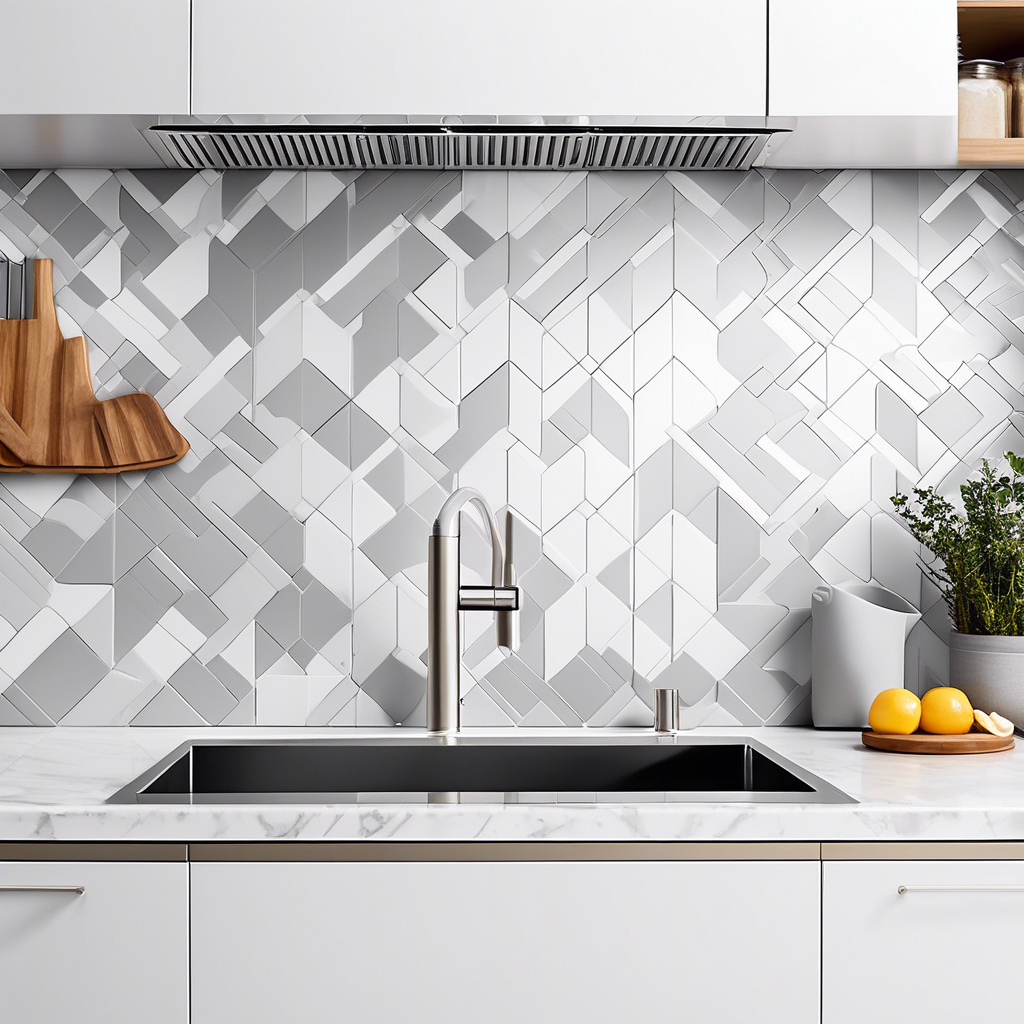
Peel and stick backsplash tiles are a modern and innovative solution for homeowners and renters seeking to elevate the look of their kitchens, bathrooms, or laundry spaces without the challenges of traditional tiling. These tiles come with an adhesive backing, allowing for an effortless installation process that eliminates the need for grout, mortar, or professional labor. They are designed to mimic the appearance of real materials such as ceramic, stone, or glass, offering a stylish yet budget-friendly option for a quick space transformation.
One of the key features of peel and stick tiles is their versatility. They are available in various sizes, colors, textures, and patterns, making it easy to find a style that complements any interior aesthetic. Whether the goal is a sleek, modern look or a rustic, farmhouse vibe, these tiles provide the creative freedom to customize a space. In addition, they are typically lightweight and easy to cut, enabling users to fit them snugly around edges, outlets, or tight corners.
The materials used for peel and stick backsplash tiles often include vinyl, resin, or a composite material that provides both durability and flexibility. These tiles are water-resistant and simple to clean, which makes them ideal for high-moisture areas. Their adhesive quality ensures they firmly stay in place, yet many designs are removable, creating an excellent choice for renters or those who frequently update their home’s decor.
Installing peel and stick tiles is a straightforward process. The user needs to prep the surface by ensuring it is clean, dry, and free from debris. Once the backing is peeled off, the tile can be firmly pressed onto the wall and adjusted as needed. This do-it-yourself approach not only saves time but also reduces costs, making it a go-to option for practical and aesthetically pleasing updates.
What Are Peel and Stick Backsplash Tiles Made Of?
Peel and stick backsplash tiles are composed of various lightweight yet durable materials designed to offer functionality, style, and ease of application. The specific materials used can vary depending on the manufacturer and intended use, but they typically consist of the following key components:

1. Surface Material
The outermost layer of peel and stick tiles is where the design and texture reside. Common materials for this layer include:
Vinyl: One of the most popular materials, vinyl is flexible, waterproof, and available in a variety of colors and patterns, including realistic interpretations of wood, stone, and ceramic finishes.Glass: Some premium peel and stick tiles feature a thin layer of glass for a glossy, modern aesthetic. These tiles add sophistication but may be slightly more fragile than other options.Metal: Metallic tiles, often made from aluminum or stainless steel, are used for industrial or contemporary designs. Metal adds durability and a sleek appearance.Gel or Resin: A gel-like polyurethane layer is often used to create a 3D effect and mimic the texture of traditional tiles.
2. Base Material
Beneath the surface layer lies the base material, which provides structural stability. The base is commonly made from:
Plastic (PET or PVC): Lightweight yet sturdy, plastic is commonly utilized to keep the tile thin and easy to handle.Composite Materials: Some higher-end tiles incorporate a composite core for added durability and resistance to warping over time.
3. Adhesive Layer
The adhesive backing makes these tiles self-adhesive and eliminates the need for extra tools or glue. This layer often consists of:
Pressure-Sensitive Adhesive: Designed to bond firmly to surfaces, this adhesive remains tacky enough to allow repositioning if necessary during application.Peelable Liner: A protective film covers the adhesive until installation, ensuring the glue remains intact and ready for use.
The combination of these layers results in tiles that are lightweight, easy to install, and suitable for a variety of surfaces.
How Do Peel and Stick Backsplash Tiles Work?
Peel and stick backsplash tiles are designed to simplify the process of updating walls in kitchens, bathrooms, and other interior spaces. They eliminate the need for traditional adhesives, grout, and expert installation, making them a popular option for homeowners and renters alike. Understanding how these tiles function can help in achieving the best results for any project.
Each peel and stick tile typically consists of a multi-layer construction. The outermost layer is crafted from materials such as vinyl, resin, or metal, which gives the tiles their durability and aesthetic appeal. Beneath this is a pressure-sensitive adhesive layer, protected by a removable paper backing. This adhesive allows the tiles to adhere securely to clean, flat surfaces. Some premium products even include a built-in grout texture, mimicking the look of traditional tiled backsplashes.
To apply, users start by peeling off the backing to reveal the adhesive. The tile is then aligned and pressed firmly onto the prepared surface. Proper surface preparation is crucial; walls must be clean, dry, and free of dust or grease. This ensures the adhesive bonds effectively, preventing premature peeling or misalignment.
Peel and stick tiles are designed with ease of customization in mind. Most can be trimmed using scissors or a utility knife to fit around outlets, corners, or edges. While the adhesive is strong, these tiles are usually repositionable for a short time after application, accommodating adjustments during installation.
Over time, the adhesive naturally strengthens, providing a reliable hold. Their removable nature, especially for renters, makes them an appealing option since they typically leave minimal residue when removed properly.
Benefits of Using Peel and Stick Backsplash Tiles
Peel and stick backsplash tiles have become a popular choice due to their unique combination of convenience, affordability, and style. These tiles dramatically simplify the home improvement process, making them accessible to homeowners and renters alike. Below are the key benefits that make peel and stick tiles stand out in the world of interior design.
1. Easy Installation
One major advantage of peel and stick backsplash tiles is their straightforward installation process. Without the need for grout, mortar, or specialized tools, anyone can apply these tiles directly to a clean, smooth surface. This eliminates the need to hire professional installers, saving both time and labor costs. Their adhesive backing ensures the tiles stay securely in place, enabling hassle-free application even for beginners.
2. Cost-Effectiveness
Compared to traditional backsplash materials such as ceramic or glass tiles, peel and stick options are significantly more budget-friendly. These tiles replicate the look of premium materials without incurring the high cost. Additionally, the reduction in installation expenses further improves their overall cost-effectiveness, making them an ideal choice for budget-conscious individuals.
3. Wide Variety of Designs
Peel and stick tiles are available in an extensive range of colors, patterns, and textures, allowing homeowners to customize their spaces to fit their aesthetic preferences. From sleek subway tiles to intricate mosaic designs, the versatile options cater to diverse design styles.
4. Durability and Low Maintenance
Modern peel and stick tiles are crafted using advanced materials, often making them resistant to heat, moisture, and stains. This durability makes them ideal for kitchens and bathrooms. They are also easy to clean, typically requiring only a damp cloth to maintain their appearance.
5. Temporary and Reversible
For renters or those looking to update their décor temporarily, peel and stick tiles provide a removable solution. When properly installed and removed, they do not damage the underlying surface. This feature makes them a practical choice for non-permanent updates, allowing design flexibility without long-term commitment.
6. Environmentally Friendly Options
Many manufacturers now offer eco-friendly peel and stick tiles made from recycled materials. Choosing these tiles supports sustainable practices while still achieving desirable aesthetic results.
Overall, these advantages make peel and stick backsplash tiles a practical and stylish alternative to traditional options for anyone wanting to enhance their space with minimal effort and expense.
Potential Drawbacks to Consider
While peel and stick backsplash tiles are a popular choice for DIY home improvement projects due to their ease of use and affordability, they are not without potential challenges. It is essential to evaluate the possible drawbacks before committing to this option.
Limited DurabilityPeel and stick backsplash tiles may not offer the same level of durability as traditional tiles. They can be prone to wear and tear over time, particularly in areas with frequent heat, moisture, or sharp objects. Kitchens and bathrooms, where such conditions are common, can expose these tiles to faster deterioration.
Adhesive ChallengesThe adhesive backing, while convenient, may not adhere well to all surfaces or long-term. Textured walls, uneven surfaces, or walls with pre-existing paint or grease can result in poor adhesion. Over time, this may lead to tiles peeling or shifting, especially in high-traffic areas or near heat sources like stoves.
Moisture ResistanceAlthough some peel and stick tiles boast water resistance, they are generally not as waterproof as traditional tiles with grout. In areas like bathrooms or behind sinks, water infiltration can compromise their integrity, causing the adhesive to lose its stickiness and tiles to loosen.
Heat SensitivityThese tiles may not be suitable for spaces exposed to high levels of heat, such as backsplashes directly behind stovetops. Prolonged heat exposure can cause warping, discoloration, or adhesive failure, resulting in a less polished appearance over time.
Less CustomizationUnlike traditional tiling options that offer extensive customization in terms of size, material, and grout color, peel and stick tiles tend to come in predefined patterns and sizes. This limitation may not satisfy homeowners with specific design preferences or unique spatial layouts.
Removal DifficultiesAlthough marketed as removable, in some cases, peel and stick tiles can damage underlying surfaces during the removal process, particularly drywall or painted walls. The adhesive may leave residue or pull off paint, necessitating repairs.
These considerations highlight the importance of evaluating the specific needs of the intended space and weighing the limitations against the benefits of convenience and affordability offered by peel and stick backsplash tiles.
Comparing Peel and Stick Tiles to Traditional Backsplash Options
Peel and stick tiles offer a modern, convenient approach to enhancing backsplash aesthetics, yet they differ significantly from traditional options in terms of installation, durability, cost, and maintenance. Understanding these differences can help homeowners make an informed decision.
Installation and Time Requirements
Peel and Stick Tiles: These tiles are designed for simplicity, requiring no grout, mortar, or special tools. They can be applied directly to clean, dry surfaces, making them a suitable choice for DIY projects. The process is significantly faster, often completed in just a few hours.Traditional Backsplash Tiles: Installing traditional tiles involves a more labor-intensive process. It requires grouting, curing time, and often professional assistance. The result is typically more time-consuming and less accessible for beginners.
Durability and Longevity
Peel and Stick Tiles: While these tiles are durable under regular use, they may not withstand prolonged exposure to heat, humidity, or heavy impact as effectively. Over time, the adhesive backing may weaken, especially in high-moisture areas like kitchens or bathrooms.Traditional Tiles: Traditional backsplash materials, such as ceramic or glass tiles, offer superior durability and resistance to high heat and moisture. They are built to last for decades with minimal wear.
Cost Considerations
Peel and Stick Tiles: These tiles are generally more affordable upfront due to their lower material and installation costs. They are an economic choice for aesthetic updates, especially in rental properties or temporary setups.Traditional Tiles: Although costly, traditional tiles often provide a higher return on investment due to their longevity and more polished appearance. Installation costs can vary, often requiring professional services, which add to the expense.
Maintenance and Repairs
Peel and Stick Tiles: Maintenance usually involves only wiping the surface clean with a damp cloth. However, if damage occurs, replacing individual tiles can be challenging due to potential adhesive wear or discoloration.Traditional Tiles: Traditional options allow for easier repairs, as individual tiles can be removed and replaced without affecting adjacent units. Cleaning grout lines can, however, require extra care and effort.
Peel and stick tiles offer convenience and affordability, while traditional backsplash tiles provide enhanced durability, permanence, and overall value. Understanding these key differences is essential for choosing the most suitable option.
How to Choose the Right Peel and Stick Backsplash Tile for Your Space
When selecting peel and stick backsplash tiles for your space, several factors must be considered to ensure the perfect match for functionality and aesthetics. This choice involves analyzing materials, finishes, dimensions, and design compatibility with your existing interiors. Determining these aspects carefully can help create a cohesive look while ensuring durability and practicality.
1. Understand Your Functional Needs
Consider the primary use of the area where the backsplash will be installed. Kitchens and bathrooms are high-moisture zones, so water-resistant materials like vinyl or PVC should be prioritized. For added durability in high-heat areas, such as behind stoves, opt for models designed with heat-resistant backing.
2. Evaluate Material Options
Peel and stick tiles come in a range of materials. Vinyl and laminate are budget-friendly, lightweight, and ideal for DIY projects. For a more premium look, opt for gel-based or metal-finished tiles. Faux-stone materials can mimic real stone finishes while being more affordable and easier to install.
3. Experience the Look and Feel of Textures
Textures significantly impact the overall appearance. Tiles with smooth surfaces work well for modern designs, while patterned or textured tiles lend character to rustic or industrial themes. Glossy surfaces can brighten a space but may show fingerprints and smudges more easily.
4. Adhere to Color Harmony
Select colors that complement the surrounding cabinetry, countertops, and walls. Neutral shades provide a timeless look, while bold colors or patterns can serve as an accent to liven up a monochromatic room.
5. Measure Accurately
Measure the dimensions of the desired installation area carefully. Oversized or undersized tiles can throw off proportions, making the design appear unbalanced. Ensure that the tile’s size matches the scale of the space.
6. Consider Installation Ease
Some peel and stick tiles come in sheets, while others are individual pieces. Decide based on your skill level. Sheets may cover large areas more quickly, whereas smaller tiles give you more control over detailed designs.
7. Test Before Committing
Whenever possible, purchase a sample and test it in your space. Observe how the tile interacts with the lighting and surrounding elements. This trial ensures satisfaction before investing in a full quantity.
By balancing aesthetics, quality, and functionality, one can confidently select tiles that enhance and personalize the intended space.
Step-by-Step Guide to Installing Peel and Stick Backsplash Tiles
Installing peel and stick backsplash tiles is a straightforward process that requires minimal tools and effort, making it an appealing option for beginners. By following proper steps, one can achieve a professional and polished look for their kitchen or bathroom.
Materials and Tools Needed
Peel and stick backsplash tilesMeasuring tapePencil or markerUtility knife with a fresh bladeLevel or straightedgeCleaning cloth and mild cleanerCutting mat or protected surface for trimming tiles
Step 1: Clean the Surface
Begin by thoroughly cleaning the surface where the tiles will be installed. Use a mild cleaner to remove dirt, grease, and grime. Allow the surface to dry completely before proceeding, as residue or moisture can reduce the adhesive strength of the tiles.
Step 2: Measure and Plan the Layout
Use a measuring tape to determine the dimensions of your backsplash area. Mark reference lines with a pencil or level to ensure the tiles are installed evenly. Plan the placement to minimize cuts in visible areas and align patterns for a seamless appearance.
Step 3: Trim Tiles to Fit
Measure areas that require partial tiles, such as edges or outlets, and mark the tiles accordingly. Use a utility knife on a cutting mat or protected surface to create clean and precise cuts. Double-check measurements before cutting to avoid unnecessary mistakes.
Step 4: Peel and Apply
Remove the backing from the first tile to expose the adhesive. Align it with your reference line and press firmly onto the surface. Apply steady pressure to ensure proper adhesion, smoothing out any air bubbles or wrinkles.
Step 5: Continue and Align
Repeat the process with subsequent tiles, ensuring edges align and patterns match where applicable. Use a level periodically to maintain consistent alignment across the backsplash area.
Step 6: Finish and Inspect
Once all tiles are applied, inspect the backsplash for gaps or misaligned pieces. Make adjustments as needed, and firmly press all tiles again to secure the bond. Clean the tiles with a damp cloth to remove fingerprints or residue.
This systematic approach ensures a durable and visually appealing finish for peel and stick backsplash tiles.
Tips for Maintaining and Cleaning Your Peel and Stick Backsplash
Proper care and maintenance can significantly extend the life and appearance of a peel and stick backsplash. Regular cleaning and mindful habits help to preserve the tile’s adhesive backing, surface integrity, and overall functionality. Below are some effective tips to ensure your backsplash remains in pristine condition.
Regular Cleaning Practices
Use a soft cloth or non-abrasive sponge: Wipe the surface gently with a damp, soft cloth to avoid scratching or damaging its finish. Abrasive materials should be avoided, as they can lead to surface dullness or peeling over time.Mild cleaning solutions only: Use a gentle dish soap mixed with water to clean the backsplash. Harsh chemical cleaners, such as bleach or ammonia, may degrade the tile material or adhesive backing.Clean splatters immediately: Spills from cooking or liquids, especially those containing oil or acidic ingredients, should be wiped off promptly to prevent staining or residue build-up.
Preventive Measures
Avoid high heat exposure: Install the backsplash a suitable distance from heat sources such as stovetops. Excessive heat can weaken the adhesive and potentially cause the tiles to peel.Minimize water exposure: While many peel and stick backsplashes are water-resistant, prolonged exposure to moisture can affect adhesion. Promptly dry any water that splashes onto the backsplash.Limit impact from sharp objects: Be cautious when using knives or other sharp tools near the backsplash. Direct contact might damage the surface.
Periodic Maintenance
Inspect edges and seams: Occasionally check for peeling corners or weakened adhesive. Press down loose edges gently to secure them back in place. If necessary, use a small amount of adhesive for reinforcement.Reapply pressure if needed: Over time, certain areas may loosen due to constant contact or environmental factors. Apply light pressure periodically to reinforce the bond.
By adopting these simple yet effective habits, homeowners can keep their peel and stick backsplash looking clean and well-maintained while ensuring it lasts for years to come.
Creative Design Ideas Using Peel and Stick Backsplash Tiles
Peel and stick backsplash tiles offer endless possibilities for designing functional and visually appealing spaces. With their simple application and diverse styles, they can be used to enhance kitchens, bathrooms, and even unconventional areas. Below are innovative design ideas for incorporating these tiles into various spaces:
1. Mixing Patterns for a Bold Look
Combine two or more tile patterns, such as geometric shapes and subway tiles, to create an eclectic aesthetic.Use contrasting colors like deep navy and white to define zones within a space, such as separating the cooking area from prep stations.
2. Creating a Statement Wall
Extend peel and stick tiles beyond the backsplash area to cover an entire wall for dramatic effect.Opt for metallic finishes or stone-like textures to make the design the centerpiece of the room.
3. Incorporating a Border Design
Use tiles to create a border around standard backsplash installations for a framed and polished look.Combine neutral-colored tiles with vibrant accent strips for added depth and visual interest.
4. Designing Around Fixtures
Apply mosaic-style tiles around bathroom mirrors or kitchen sinks to add a layer of artistic detail.Highlight areas such as stove hoods or open shelving by using embossed or textured tiles.
5. Adding Visual Texture
Choose peel and stick tiles with 3D effects, such as faux brick or raised wood patterns, to provide dimension to flat walls.Blend these tiles with matte finishes nearby to produce a balanced yet striking design.
6. Upgrading Furniture and Accessories
Use peel and stick backsplash tiles to refresh furniture pieces, such as tabletops or cabinet doors.Experiment with removable tiles on items like bar carts, coffee bars, or standalone pantries.
Peel and stick backsplash tiles offer versatility that allows homeowners or renters to update their interiors without compromise. With the right selection and placement, these tiles can transform ordinary spaces into custom, design-forward areas.
Common Mistakes to Avoid with Peel and Stick Backsplashes
Using peel and stick backsplash tiles can be a hassle-free way to enhance a kitchen or bathroom, but several common mistakes can undermine their effectiveness and durability. Recognizing these pitfalls ensures a smooth installation process and lasting results.
Skipping Surface PreparationOne of the most frequent errors is applying the tiles to an unprepared surface. Dust, grease, and debris can reduce adhesion, leading to tiles peeling over time. Surfaces should be thoroughly cleaned with a grease-cutting cleaner and allowed to dry completely before installation. Applying tiles directly over textured or uneven walls can also create gaps, so smoothing the surface is essential.
Applying to Unsuitable SurfacesWhile peel and stick tiles are versatile, not all surfaces are appropriate. They should not be applied to surfaces prone to moisture, such as textured brick, porous wood, or flaking paint. Additionally, placing them on glossy, non-porous materials like stainless steel or laminate without sanding or priming first can impede proper adhesion.
Neglecting Temperature ConsiderationsInstalling peel and stick backsplashes in extreme temperatures can compromise the adhesive. Too cold, and the adhesive may not bond well; too hot, and it may weaken over time. It is essential to check the manufacturer’s guidelines for the recommended temperature range during installation.
Rushing MeasurementsImproper measurements often lead to waste or noticeable mismatches between tiles. Accurate marking and cutting are critical. Failing to use tools like a ruler or level can result in crooked placement, which diminishes the overall appearance of the backsplash.
Overlooking Final Sealing StepsSome users fail to firmly press or “seal” tiles after sticking them in place. This can result in bubbling or imperfect adhesion. Using a flat hand or roller to evenly press each tile ensures a secure and seamless application.
By carefully avoiding these mistakes, users can maximize the visual and functional benefits of their peel and stick backsplash installation.
Frequently Asked Questions About Peel and Stick Backsplash Tiles
1. What are peel and stick backsplash tiles made of?
Peel and stick backsplash tiles are typically made from materials such as vinyl, metal, gel, or stone composites. Some designs incorporate lightweight thermoplastic or PVC for added flexibility, while others mimic the appearance of ceramic or glass. The adhesive backing eliminates the need for traditional mortar or grout.
2. Are these tiles durable?
Peel and stick backsplash tiles are generally durable and designed to handle moderate wear and tear. Their durability depends on the material and the environment where they are installed. For example, vinyl tiles are resistant to moisture and stains, while gel-based options may handle heat exposure better in kitchen settings. However, they may not last as long as traditionally installed backsplash tiles.
3. Can they be installed in areas with high humidity or heat?
Yes, certain peel and stick backsplash tiles are suitable for high humidity areas like bathrooms or near sinks. However, always check the manufacturer’s guidelines regarding heat resistance before installing them near stoves or ovens, as some materials may warp or lose adhesion under high temperatures.
4. How easy is it to install peel and stick backsplash tiles?
These tiles are user-friendly and designed for DIY installations. The process involves cleaning the surface, peeling off the backing, and pressing the tile firmly into place. No special tools or professional expertise are required, making them an accessible option for beginners.
5. Can they be removed without causing damage?
In most cases, peel and stick backsplash tiles can be removed with minimal damage. Once heated with a hairdryer to loosen the adhesive, the tiles can typically be peeled off easily. Some stubborn adhesives might require gentle scraping or additional cleaning to fully restore the surface.
6. Do they work on all surfaces?
Peel and stick backsplash tiles adhere best to smooth, clean, and dry surfaces such as painted drywall, glass, or tile. They may not stick well to uneven, textured, or oily surfaces. It’s important to prepare the surface by thoroughly cleaning and drying it before application to ensure maximum adhesion.
7. Are they customizable?
While most peel and stick tiles come in predesigned patterns or sizes, they can often be trimmed using scissors or a utility knife for custom fits around outlets, corners, or edges. However, adjustments should be made carefully to maintain the integrity of the design.
8. How do you clean and maintain peel and stick backsplash tiles?
Cleaning is straightforward and requires only a damp cloth and mild detergent. Avoid using abrasive cleaners or scrubbing tools, as they can damage the finish of the tiles. Regular maintenance ensures they remain in good condition and retain their adhesive strength over time.
Conclusion: Is Peel and Stick Backsplash Right for You?
Deciding whether peel-and-stick backsplash tiles are the right fit depends on individual needs, preferences, and the specific project at hand. These tiles offer numerous advantages, starting with their affordability compared to traditional tiles. Homeowners looking to update their space on a budget often find this option appealing. Additionally, their simple installation process eliminates the need for professional help, making them ideal for DIY enthusiasts or renters seeking a temporary solution.
The versatility of peel-and-stick backsplashes is another compelling factor. Available in a variety of designs, colors, and textures, they can seamlessly complement an array of interior styles. From sleek modern looks to classic patterns, there is something to suit most design preferences. Moreover, their lightweight and thin design makes them suitable for areas where traditional tiles may not be viable, such as RV kitchens or non-structural walls.
However, one must also weigh their limitations. While these tiles are durable enough for casual use, they may not withstand heavy wear and tear as well as ceramic or stone tiles. High-moisture or high-heat areas, like behind stoves or close to sinks, may challenge the adhesive’s longevity. Furthermore, prepping the surface correctly is crucial, as uneven or dirty walls can impact adhesion over time.
Ultimately, peel-and-stick backsplash tiles work best for those seeking convenience, affordability, and design flexibility for light-to-moderate use. Careful consideration of surface conditions and functional requirements will help ensure that this option aligns with the desired results and long-term expectations.