 Jeedeson Official Website
What types of rubber floor mats are there?
Rubber mats are a versatile material widely used in industry, construction, home furnishings, and daily life. They are primarily made from natural rubber or synthetic rubber and possess excellent elasticity and wear resistance. Depending on their source and manufacturing process, rubber mats can be divided into two main categories: natural rubber and synthetic rubber. Natural rubber is primarily derived from the latex of rubber trees, which is processed through coagulation, washing, and drying to produce a material with superior elasticity and low-temperature performance. Synthetic rubber, on the other hand, is produced through chemical synthesis. Common types include styrene-butadiene rubber (SBR), chloroprene rubber (CR), nitrile rubber (NBR), and ethylene-propylene rubber (EPDM). These materials can be tailored to meet specific requirements, such as oil resistance, high-temperature resistance, and aging resistance.
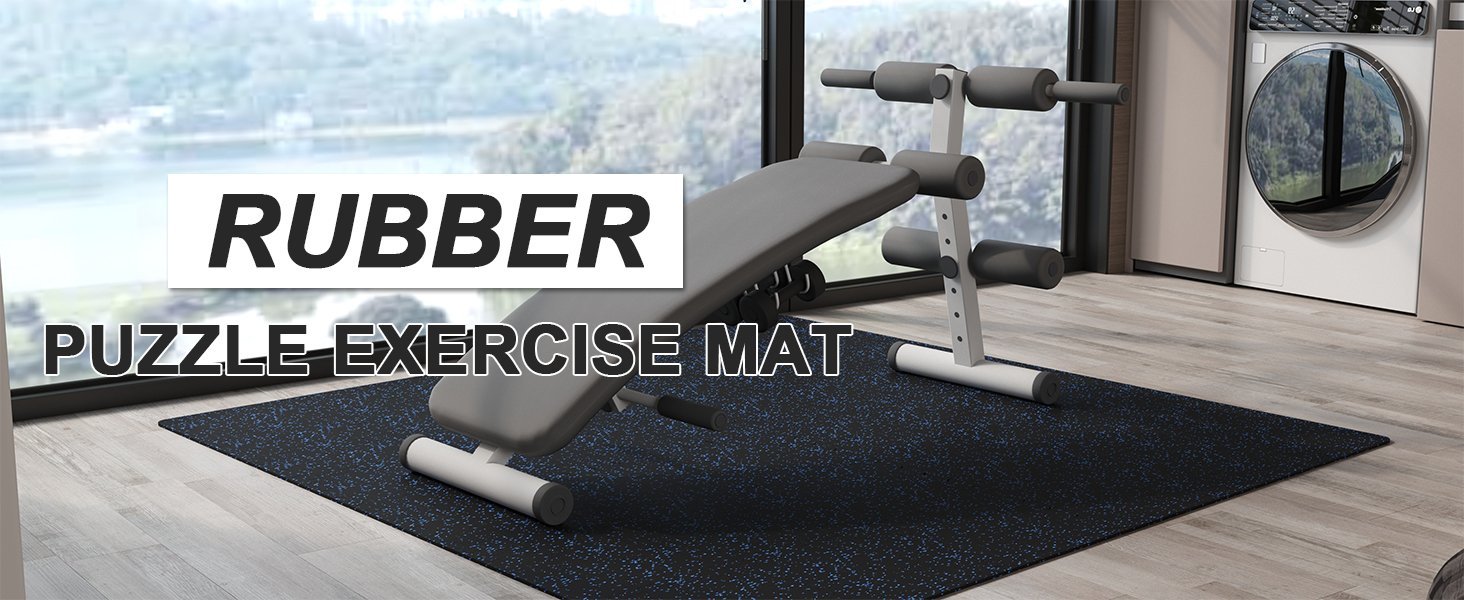 There are numerous types of rubber mats, with common varieties including transparent rubber mats, EVA rubber mats, silicone mats, PU mats, PVC mats, EPDM mats, sponge mats, foam mats, anti-slip mats, shock-absorbing mats, corrosion-resistant mats, and waterproof mats. Each type of rubber mat has its specific applications and characteristics. For example, EVA rubber pads are commonly used in outdoor activities and as anti-slip floor mats due to their excellent waterproofing and elasticity; silicone pads are widely used in electronic devices and medical fields due to their high-temperature resistance and aging resistance; and styrene-butadiene rubber is frequently used in tire and shoe manufacturing due to its wear resistance and aging resistance. Additionally, rubber pads have a certain degree of acid and alkali resistance, but they are sensitive to strong acids and strong alkalis.
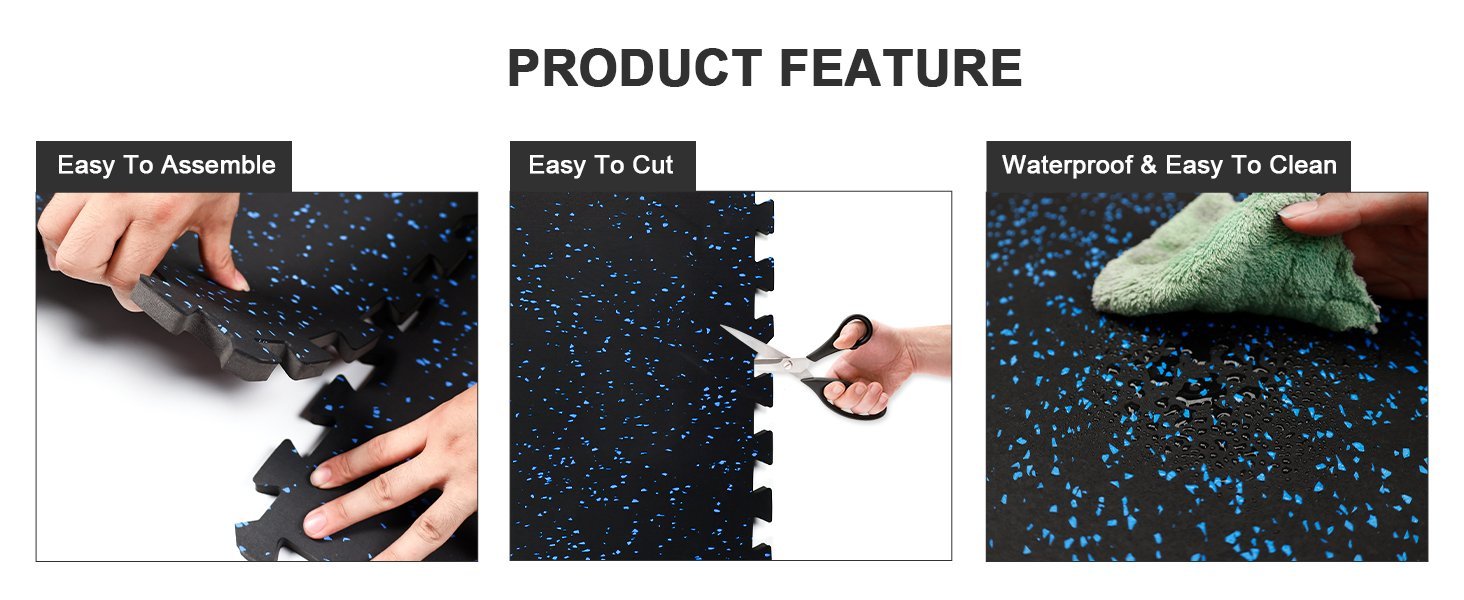 In industrial applications, rubber mats are primarily used for vibration damping, sound insulation, and sealing in mechanical equipment. For example, the steel rail anti-vibration composite rubber mats used in railway construction effectively reduce vibrations and noise during train operation.
In the automotive industry, rubber mats are used in engine mounts, engine mount rubber, and sealing gaskets to enhance vehicle stability and sealing performance. In the construction sector, rubber mats are employed for door and window sealing, workbench surfaces, and floor installations, providing excellent sound insulation and anti-slip properties. In the home furnishings sector, rubber mats are used for anti-slip floor mats, mouse pads, gaming mouse pads, and tea tray foot pads, enhancing home comfort and safety.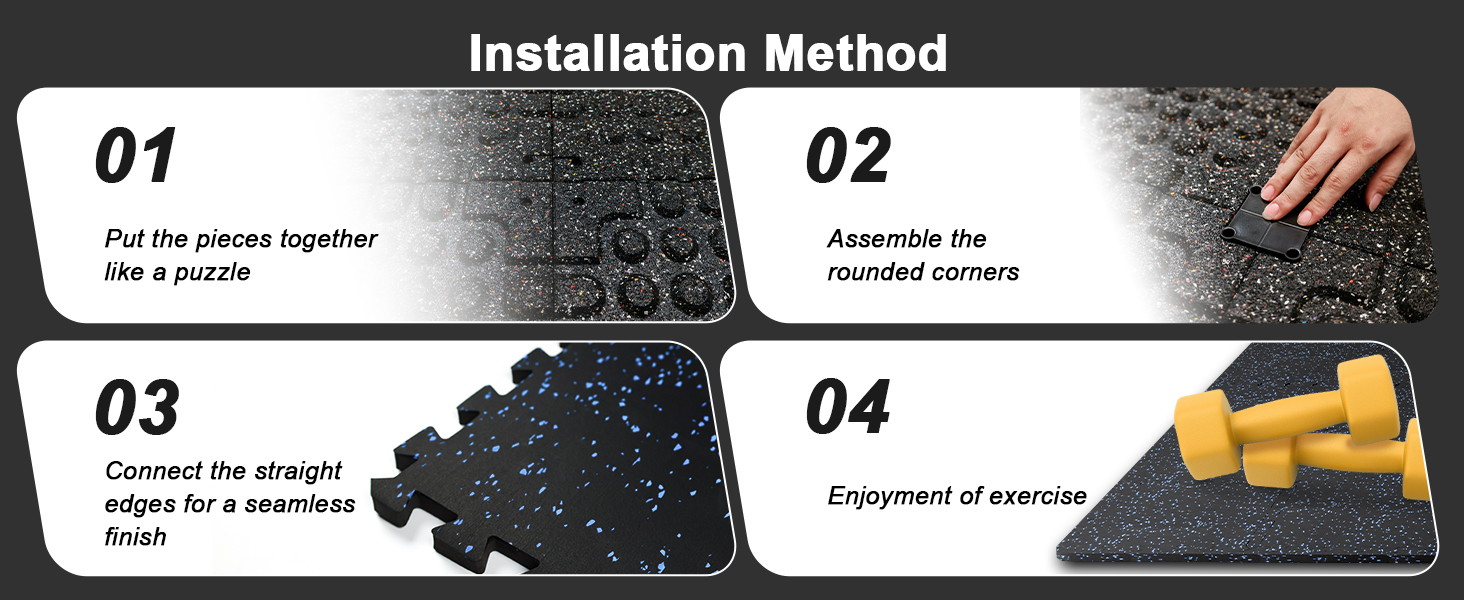 As environmental awareness grows, the production of modern rubber mats is increasingly moving toward more eco-friendly practices. For example, the use of recycled rubber and natural rubber as raw materials, combined with vulcanization technology, enhances both product performance and environmental sustainability. Additionally, the development and application of bio-based rubber materials reduce reliance on fossil resources, aligning with global environmental trends. Meanwhile, the adoption of 3D printing technology enables personalized customization of rubber mats, meeting specific shape and functional requirements while enhancing user experience. The development of recycling technologies, such as the recovery and regeneration of used rubber mats, will also promote a circular economy for resources.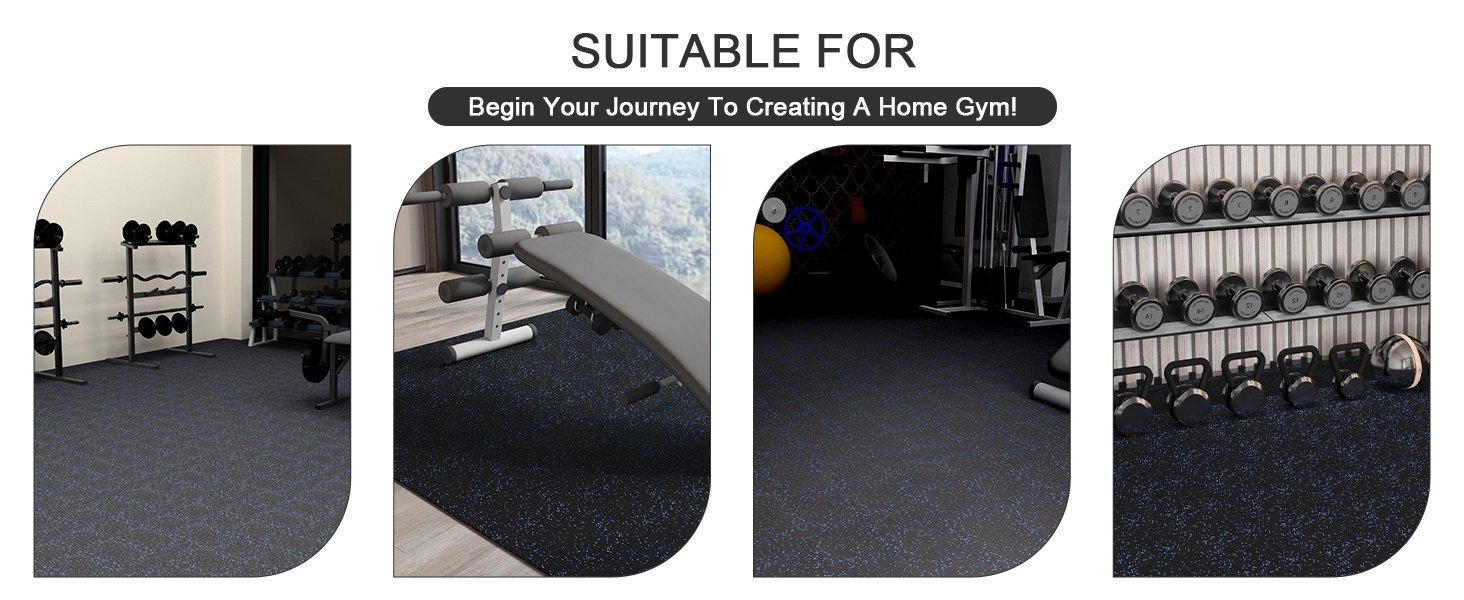
Rubber mats play a crucial role not only in industrial and construction sectors but are also indispensable in daily life and recreational activities. Their diversity and multifunctionality make them an integral part of modern life. With technological advancements and the deepening of environmental awareness, the future prospects for rubber mats are vast, and they will continue to demonstrate their value and potential in an increasing number of fields.