 Jeedeson Official Website
5 Best Rolled Vinyl Flooring Options for High Traffic Areas
Introduction: Why Rolled Vinyl Flooring is Perfect for High Traffic Areas
Rolled vinyl flooring has emerged as a popular choice for high-traffic areas due to its durability, versatility, and ease of maintenance. Designed for functionality and resilience, this type of flooring is engineered to withstand constant footfall while retaining its aesthetic appeal. High-traffic spaces require flooring that not only endures wear and tear but also provides a visually appealing surface that complements various design styles. Rolled vinyl meets these criteria, making it an optimal solution for both residential and commercial spaces.
One of the most compelling attributes of rolled vinyl flooring is its robustness. Composed of synthetic materials such as PVC, it offers remarkable resistance to scratches, scuffs, and dents caused by frequent movement. Its seamless, uniform design ensures there are no weak points, which contributes to its long life, even under continuous usage. Additionally, rolled vinyl is often finished with protective layers that offer enhanced resistance to spills, stains, and moisture, further bolstering its suitability for regions with heavy traffic, like entryways, hallways, and retail floors.
The ease of maintenance is another reason rolled vinyl flooring is an exceptional choice. Cleaning requires no more than routine sweeping and occasional mopping, helping preserve its fresh appearance without extensive effort or specialized products. Unlike materials such as hardwood or carpet, rolled vinyl eliminates the worry associated with deep cleaning or refinishing.
Rolled vinyl also offers exceptional versatility in design. With an array of colors, patterns, and textures that can mimic more expensive materials like stone or wood, it allows spaces to maintain style without sacrificing durability. This combination makes it a practical investment for businesses and homeowners seeking a balance between aesthetics and functionality.
Key Features to Look for in Rolled Vinyl Flooring for High Usage
When selecting rolled vinyl flooring for high traffic areas, understanding essential features is critical to ensure durability, functionality, and aesthetic appeal. The right combination of qualities can significantly influence a flooring’s performance and longevity in demanding environments.

1. Durability and Wear Layer Thickness
For areas with heavy foot traffic, prioritize rolled vinyl flooring with a wear layer of at least 20 mils or higher. This protective coating ensures resistance to scratches, scuffs, and daily wear. Commercial-grade options often provide greater resilience, making them ideal for offices, retail stores, or busy hallways.
2. Slip Resistance
Safety is a key consideration, especially in spaces prone to spills or moisture. Look for flooring certified with anti-slip ratings such as R10 or higher. Slip-resistant surfaces not only reduce risks but also comply with safety regulations in professional environments.
3. Waterproof Capabilities
Opt for 100% waterproof rolled vinyl flooring if the area is exposed to moisture, such as kitchens, bathrooms, or laundry rooms. Fully waterproof flooring prevents warping or water damage, extending overall lifespan while maintaining aesthetic quality.
4. Ease of Maintenance
High-traffic spaces require flooring that simplifies cleaning and maintenance. Smooth surfaces and stain-resistant coatings enable quick cleanup of spills or debris, minimizing downtime and labor costs.
5. Acoustic Properties
Noise reduction is essential in bustling spaces like offices or schools. Consider vinyl flooring products designed with acoustic underlayments that dampen sound, enhancing overall ambiance and comfort within the room.
6. Aesthetic Versatility
Flooring should complement the design theme while maintaining practicality in high-use settings. Rolled vinyl options come in versatile finishes, including wood, stone, or abstract patterns, providing flexibility for professional and personal spaces.
7. Environmental Sustainability
Sustainable options crafted from recycled materials and low-VOC (volatile organic compound) adhesives promote healthier indoor air quality and align with eco-friendly practices, especially important for workplaces or homes prioritizing sustainability.
By focusing on these key attributes, one can make informed decisions to ensure rolled vinyl flooring is both functional and visually appealing in high-traffic areas.
Durability and Thickness: Essential Factors for Longevity

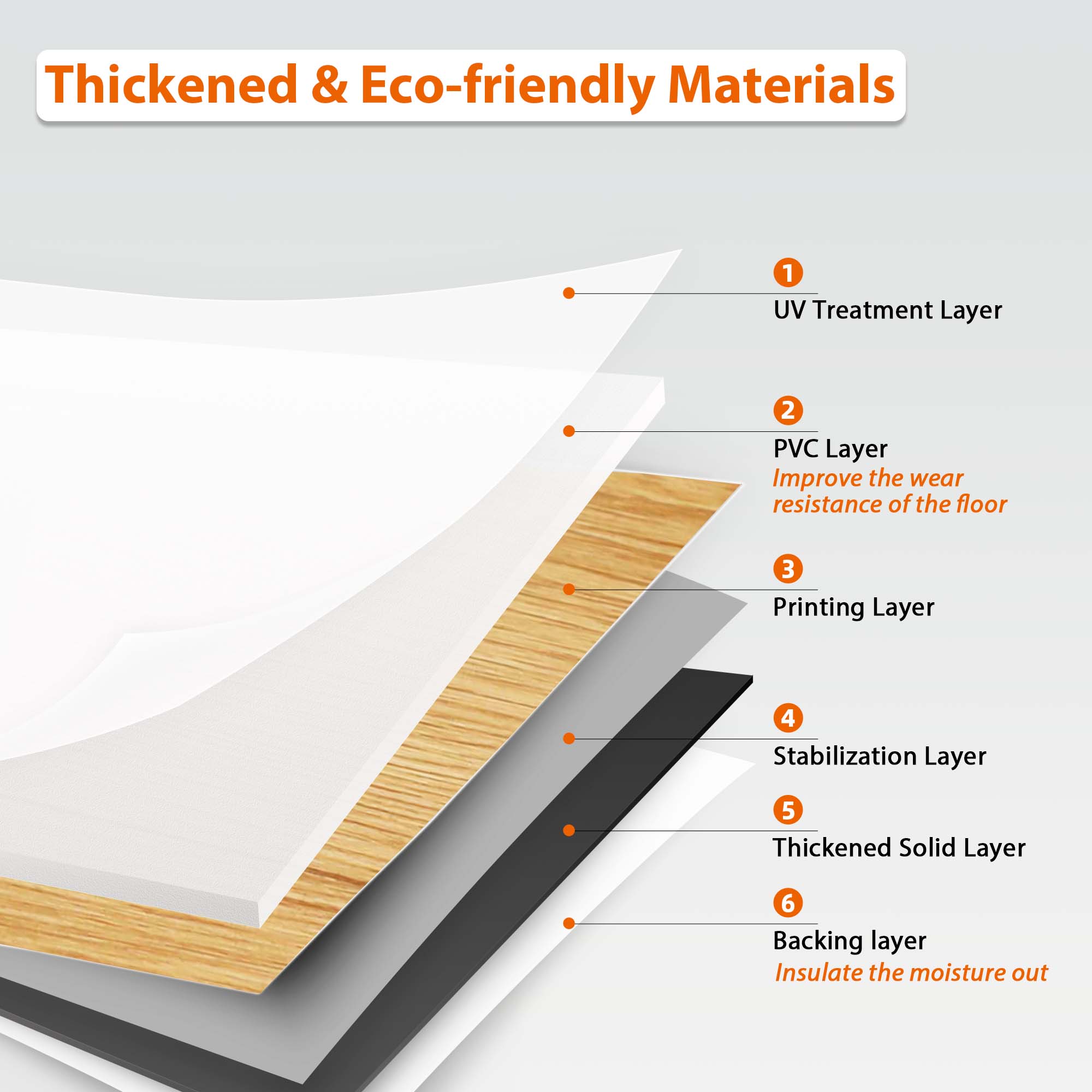
When selecting vinyl flooring for high traffic areas, durability and thickness are critical factors that directly influence the longevity and performance of the material. These attributes ensure that the flooring can withstand continuous foot traffic, heavy furniture, and incidental impacts without compromising its structural integrity or aesthetic appeal.
Vinyl flooring durability typically stems from its wear layer, which acts as a protective shield against scratching, staining, and general wear and tear. The thicker the wear layer, the more resistant the flooring is to damage. Wear layers are often measured in mils, with higher mil measurements indicating increased durability. For high traffic areas, it is recommended to choose a wear layer of at least 12 to 20 mils or more, depending on the intensity of use. Commercial spaces may require even higher specifications to endure prolonged heavy usage.
The overall thickness of rolled vinyl flooring plays an equally important role in its performance. Besides contributing to durability, thicker flooring provides better cushioning, sound absorption, and insulation. A thickness of 2mm to 4mm is generally suitable for most residential high traffic areas, while commercial and industrial spaces may benefit from a thickness of 5mm or more. Thicker options tend to resist denting from heavy objects such as furniture and equipment, ensuring a smooth and unblemished surface over time.
Furthermore, durability and thickness are closely linked to the material’s ability to resist moisture and temperature fluctuations. High-quality, thick vinyl often features enhanced water-resistance properties, protecting against warping or peeling in areas prone to spills or humidity, such as kitchens and entryways.
For extended longevity, it is essential to pair high durability and thickness with proper maintenance and installation techniques. This ensures the flooring not only performs well but also retains its appearance amidst heavy use and environmental challenges.
Top Benefits of Rolled Vinyl Flooring in High Traffic Spaces
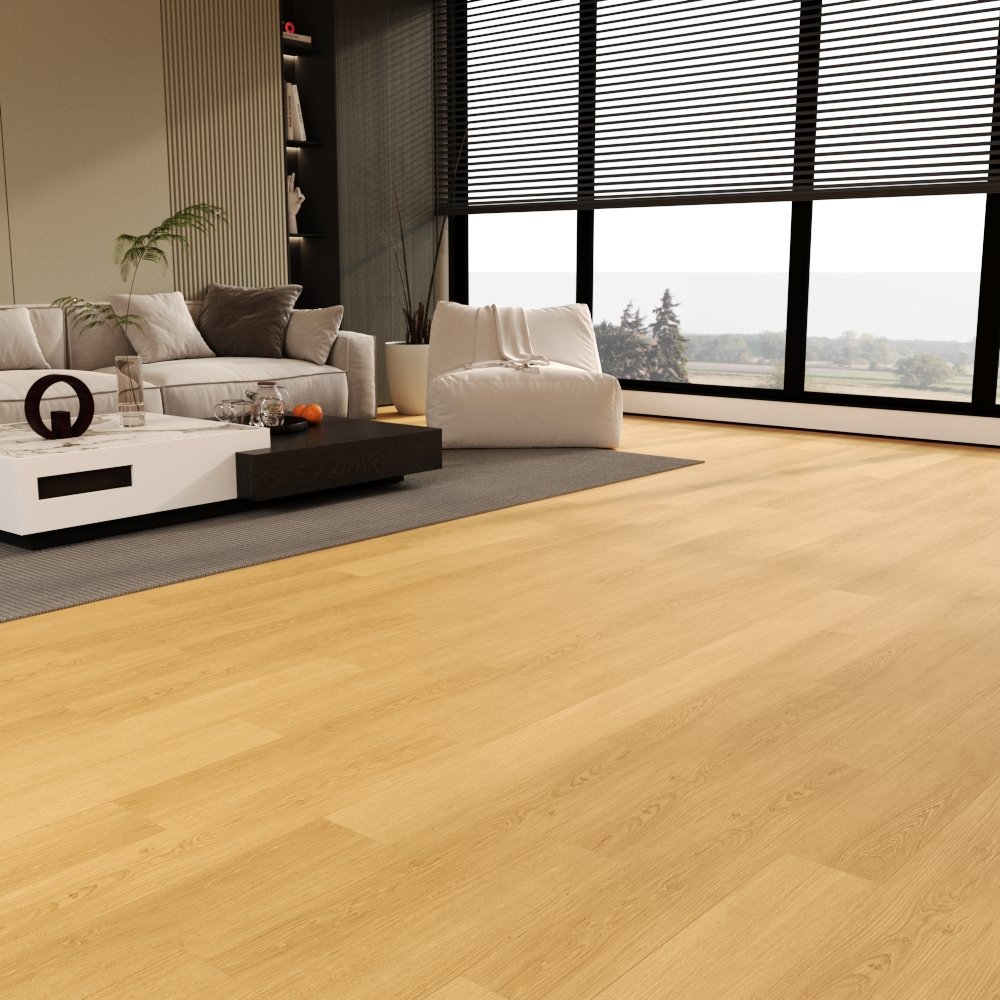
Rolled vinyl flooring offers several practical and aesthetic advantages, making it an excellent choice for high-traffic spaces. Its durability and versatility stand out as defining features. This flooring option is engineered to withstand heavy foot traffic, making it suitable for commercial spaces, busy households, and public areas.
1. Exceptional Durability
Rolled vinyl flooring is designed to endure daily wear and tear without showing signs of damage. Its surface is resistant to scratches, scuffs, and dents, which are common in high-traffic settings. The material’s structural integrity ensures it retains its appearance and functionality over time.
2. Low Maintenance Requirements
Cleaning and maintaining rolled vinyl flooring is relatively simple. Its smooth, non-porous surface resists stains, grime, and spills, which can be quickly wiped away. This feature reduces upkeep costs and helps preserve a hygienic environment in busy areas.
3. Comfort and Safety
This flooring type provides a comfortable underfoot experience, even in spaces where standing for long periods is common. Many options include additional cushioning layers, enhancing comfort. Additionally, rolled vinyl flooring often includes slip-resistant finishes, increasing safety in areas prone to spills or moisture.
4. Cost-Effective Solution
Compared to other flooring materials suited for high-traffic areas, rolled vinyl is cost-effective in terms of both initial installation and long-term maintenance. Its durability reduces replacement frequency, providing financial savings over time.
5. Versatile Designs
Available in various colors, patterns, and textures, rolled vinyl flooring complements diverse interior design styles. It can mimic the appearance of natural materials like hardwood or stone, allowing spaces to achieve luxury aesthetics without the associated cost or maintenance challenges.
Option 1: Commercial-Grade Vinyl Rolls for Heavy Foot Traffic
Commercial-grade vinyl rolls are a top choice for areas subjected to high foot traffic due to their durability, flexibility, and low-maintenance characteristics. Designed to withstand the wear and tear of heavy usage, these flooring options are ideal for commercial spaces such as offices, retail stores, schools, and healthcare facilities, as well as residential spaces like busy kitchens and hallways.
One of the standout features of commercial-grade vinyl rolls is their ability to resist stains, scratches, and moisture. Many of these rolls come with a protective urethane coating that enhances their durability while making cleaning and maintenance easier. This feature also helps extend the product’s lifespan, even in environments with constant activity. Additionally, the smooth, continuous surface prevents dirt and debris from becoming trapped, further contributing to its hygienic quality.
These rolls are available in a variety of styles and finishes, allowing users to select the look that best complements the space. From modern minimalist designs to wood grain patterns and intricate tile-like appearances, there is a vast range of options to suit different aesthetics while maintaining functionality. The large roll format also ensures fewer seams, creating a more polished and professional appearance.
Key Features of Commercial-Grade Vinyl Rolls:
Durability: Engineered to endure significant foot traffic without losing its structure or appearance.Water Resistance: Provides protection against water damage, making it suitable for kitchens and bathrooms.Versatility of Design: Offers various styles to mimic wood, stone, or tile without the associated maintenance.Cost-Effectiveness: A budget-friendly alternative to traditional flooring materials without compromising quality.
The slip-resistant properties of commercial-grade vinyl also make it a safer choice in busy areas. With proper installation and care, these floors remain a reliable solution for long-term use. Transitioning to this type of flooring is an investment in both style and practicality.
Option 2: Water-Resistant Vinyl Rolls for High Moisture Areas
Water-resistant vinyl rolls offer a reliable solution for areas prone to high humidity or frequent exposure to moisture. Designed with advanced engineering, these vinyl flooring options combine durability, functionality, and style, making them suitable for both residential and commercial environments with high traffic. Their robust water-resistant features make them an ideal choice for kitchens, bathrooms, laundry rooms, and even basements where moisture is a common concern.
One of the key characteristics of water-resistant vinyl rolls is their protective top layer, which acts as a barrier against spills and stains. This layer not only prevents water from seeping through but also resists scratches and dents, ensuring the flooring maintains its appearance over time. Additionally, many water-resistant vinyl rolls feature a seamless design, eliminating gaps where water could infiltrate and cause damage to the subfloor.
Installation is another area where water-resistant vinyl rolls excel. They can often be installed over a range of subfloors, including concrete and plywood, without requiring extensive preparation. This versatility allows homeowners and contractors to save time and costs while ensuring long-lasting performance. Furthermore, the roll format minimizes seams and provides more comprehensive coverage compared to individual planks or tiles.
Design options for water-resistant vinyl rolls are vast, allowing property owners to select from a variety of colors, textures, and patterns that replicate natural wood, stone, or ceramic. This aesthetic flexibility ensures the flooring complements the existing décor while offering practicality. For those seeking eco-friendly solutions, many manufacturers also provide low-VOC options to improve indoor air quality.
Maintenance is straightforward, requiring only regular sweeping or mopping with a damp cloth. The resilient surface resists mold and mildew growth, even in damp environments. Water-resistant vinyl rolls combine style, durability, and ease of maintenance, making them a practical flooring choice.
Option 3: Eco-Friendly and Sustainable Vinyl Flooring Options
For those prioritizing sustainability without compromising durability, eco-friendly and sustainable vinyl flooring options are becoming increasingly popular. These types of rolled vinyl are designed to minimize environmental impact while maintaining their ability to withstand high traffic and heavy use. Manufacturers now employ innovative methods to create greener flooring solutions, making them an excellent choice for environmentally conscious consumers.
Many eco-friendly vinyl flooring options are made using recycled materials. They incorporate reclaimed vinyl or other post-consumer waste, reducing the need for virgin materials and lowering their carbon footprint. Furthermore, the production process for these floors often uses energy-efficient methods, further enhancing their sustainability. Some brands also offer products certified by organizations such as LEED or FloorScore, ensuring compliance with stringent indoor air quality and environmental standards.
These flooring options frequently eliminate the use of toxic substances like phthalates and volatile organic compounds (VOCs), which can negatively affect indoor air quality. Instead, they are constructed using low-emission adhesives and safer materials, promoting a healthier living or working environment. Additionally, many brands focus on creating 100% recyclable vinyl flooring, which can be repurposed at the end of its lifecycle to support circular production practices.
Eco-friendly vinyl options come in various designs, patterns, and finishes, making them versatile enough to suit contemporary, classic, or minimalist interiors. Despite their sustainable profile, these floors maintain their strength and resilience. They resist scratches, stains, and water damage, making them an apt choice for high-traffic areas in homes or commercial spaces. With proper maintenance, they provide long-term reliability, proving that sustainability does not sacrifice performance.
Option 4: Stylish and Patterned Vinyl for Aesthetic Appeal
Stylish and patterned vinyl flooring combines durability with artistic design, making it an excellent choice for high-traffic areas where appearance matters. These flooring options meet the dual requirements of withstanding wear and tear while adding visual charm to spaces. Patterned vinyl is crafted to replicate the textures and finishes of high-end materials like natural stone, ceramic tiles, or even hardwood, offering a cost-effective alternative without compromising style.
The variety of designs available ensures homeowners and business owners can find styles that align with their aesthetics. Popular patterns include geometric designs, intricate mosaics, and vintage-inspired motifs, which complement various interior themes, from modern minimalism to classic elegance. Additionally, vibrant colors and bold patterns serve as focal points, enhancing the character of both residential and commercial spaces.
Adding to their appeal is the ability of patterned vinyl to hide minor dirt or scuff marks—an essential feature for busy households or workplaces. Unlike plain floors, detailed patterns naturally camouflage imperfections, enabling the area to maintain its fresh appearance longer.
Practical benefits are equally impressive. Patterned vinyl flooring often features a protective wear layer that resists scratches and stains. Its resistance to water and moisture makes it suitable for kitchens, bathrooms, or entryways. Moreover, the anti-slip surfaces available in many designs provide an added safety element.
The installation process is straightforward, with options like peel-and-stick or glue-down methods tailored for convenience. This makes it easier for users to enjoy stylish flooring without extensive labor or time investment.
Option 5: Budget-Friendly Vinyl Rolls Without Compromising Quality
For homeowners and businesses seeking durable flooring solutions that align with a modest budget, vinyl rolls stand out as a top contender. These rolled vinyl options are designed to provide resilience in high-traffic areas without sacrificing aesthetic appeal or performance. While they may come with a cost-effective price tag, they continue to meet industry standards for durability, ease of maintenance, and overall quality.
One of the most notable benefits of budget-friendly vinyl rolls is their endurance. Many of these products are crafted from layers of resilient material, ensuring resistance to wear and tear, scratches, and stains. This makes them particularly suitable for spaces such as offices, retail stores, or family rooms with frequent foot traffic. Additionally, options in this category often feature wear layers that enhance their lifespan while maintaining a smooth appearance.
These vinyl rolls are not limited to plain designs or basic finishes. Buyers can choose from a variety of styles that mimic high-end materials like hardwood, stone, and ceramic tiles. Whether a rustic oak look or a sleek contemporary pattern is desired, budget-friendly vinyl rolls provide the chance to achieve the desired aesthetic at a fraction of the cost. Many manufacturers also incorporate textural finishes to replicate the feel of more expensive flooring options, further enhancing their appeal.
Maintaining these vinyl rolls is effortless due to their water-resistant properties and easy-to-clean surfaces. They are ideal for areas prone to spills or dirt accumulation, such as kitchens and entryways. Despite their affordability, these flooring solutions often come with straightforward installation options, including DIY-friendly adhesive backing or loose-lay formats, reducing the need for professional installers.
How to Install Rolled Vinyl Flooring for Maximum Durability
Installing rolled vinyl flooring properly is critical to ensuring its durability and longevity in high-traffic areas. The process begins with meticulous preparation of the subfloor to create a smooth, clean, and level surface. Any debris, bumps, or imperfections should be removed to avoid unevenness that could lead to premature wear or damage.
Tools and Materials Needed:
Utility knifeMeasuring tapeFlooring adhesive (if required)Notched trowelFloor rollerStraightedge or rulerCleaner for subfloor preparation
Step-by-Step Installation Process:
Measure and Cut the Vinyl Flooring:Begin by measuring the area where the flooring will be installed. Cut the vinyl roll to size using a utility knife, leaving a slight overlap against walls or edges to ensure exact fitting after adjustments.
Prepare the Subfloor:Check that the subfloor is clean, dry, and level. Sweep and vacuum thoroughly to remove dirt or debris. If the subfloor has cracks or gaps, fill them with a leveling compound and allow it to dry completely.
Dry Fit the Flooring:Unroll the vinyl over the area to check the fit. Adjust the placement to minimize seams and overlaps, especially in high-traffic zones. Allow the vinyl to acclimate to room temperature for at least 24 hours to prevent expansion or contraction after installation.
Apply Adhesive (if applicable):For areas requiring added durability, apply flooring adhesive using a notched trowel. Work in small sections, spreading the adhesive evenly to ensure proper bonding. Avoid rushing this step to prevent bubbles or uneven adhesion.
Secure the Vinyl Flooring:Lay the vinyl sheet over the adhesive or directly onto the subfloor for loose-lay installation. Press it firmly in place using a floor roller to eliminate air pockets and ensure a solid bond, especially around edges and seams.
Trim Excess Material:Using a utility knife and a straightedge, carefully trim excess vinyl around walls, appliances, and other fixed structures. Ensure clean cuts to create a seamless appearance.
Seal Seams and Edges:Use seam sealer or adhesive tape to secure edges and seams, preventing moisture infiltration. This step enhances durability, especially in high-traffic or spill-prone areas.
Inspect and Maintain:Perform a final inspection, ensuring the flooring is flawlessly laid and securely adhered. Clean the surface to remove any adhesive residue and follow manufacturer recommendations for maintenance.
By carefully following these steps, homeowners and professionals alike can achieve a durable, high-performing vinyl flooring installation that stands up to heavy foot traffic. Proper preparation and attention to detail ensure the flooring’s long-lasting appeal and functionality for years to come.
Maintenance Tips to Keep Your Vinyl Flooring Looking New
Proper maintenance is essential to preserving the beauty and longevity of vinyl flooring, especially in high-traffic areas. Following a few practical tips can help minimize signs of wear and keep the surface looking pristine.
Regular Sweeping and VacuumingDust and debris act as abrasives that can dull vinyl over time. Use a soft-bristle broom or a vacuum designed for hard floors to remove dirt daily. Avoid using vacuums with beater bars, as these can cause scratches.
Wipe Up Spills ImmediatelyVinyl flooring is water-resistant, but prolonged exposure to liquids can lead to staining or warping. Clean up spills promptly using a damp microfiber cloth or mop. A mild detergent mixed with water works well for sticky residues.
Avoid Harsh CleanersUsing abrasive or highly acidic cleaning products can damage the surface layer of vinyl. Opt for pH-neutral cleaners or those specifically formulated for vinyl flooring. Test any new cleaning product on a small, inconspicuous area first.
Use Floor ProtectorsHeavy furniture and sharp objects can leave dents or scratches. Attaching felt pads or protective glides to furniture legs helps safeguard the floor. Additionally, consider using area rugs or runners in heavily trafficked zones.
Prevent Sun FadingExcessive exposure to direct sunlight can cause vinyl flooring to fade. Use curtains, blinds, or UV-blocking window films to minimize sun exposure. Rearranging rugs and furniture periodically can help ensure the floor fades evenly over time.
Deep Cleaning PeriodicallyOnce a month, perform a deep clean using a damp mop and a vinyl-safe cleaner. Rinse with water to remove any cleaning residue. Avoid soaking the floor, as standing water can seep into seams and compromise the material.
Maintain Proper FootwearEncourage the use of soft-soled or non-marking shoes indoors. High heels or shoes with sharp edges can cause punctures or scuffs. Keeping doormats at entry points helps reduce the amount of dirt tracked onto the floor.
By incorporating these steps into routine care, vinyl flooring in high-traffic spaces can maintain its visual appeal and resilience for years.
Where to Buy the Best Rolled Vinyl Flooring for High Traffic Areas
Selecting a reliable retailer or supplier is essential when purchasing rolled vinyl flooring for high traffic areas. Homeowners and business owners alike must prioritize quality, durability, and affordability. Below is a guide to some of the best places to find high-quality rolled vinyl flooring options tailored for heavy foot traffic.
1. Home Improvement Retailers
Large home improvement stores such as Home Depot and Lowe’s are excellent sources for durable rolled vinyl flooring. These retailers offer a wide variety of designs, colors, and finishes suited for both residential and commercial use. Shoppers can also take advantage of in-store consultations to match flooring options with specific needs like moisture resistance or scratch-proof surfaces.
2. Specialized Flooring Stores
Specialty flooring stores focus primarily on flooring materials, making them a dependable option for finding rolled vinyl designed for high-traffic applications. Floor & Decor is one such retailer that stocks a range of commercial-grade vinyl. These stores often have knowledgeable staff readily available to provide expert recommendations and details about product warranties.
3. Online Marketplaces
Platforms such as Wayfair, BuildDirect, and Amazon provide an array of rolled vinyl flooring options that cater to diverse budgets and design preferences. They offer filters to narrow down selections based on wear layers, thickness, and other technical specifications ideal for high-traffic environments. Online marketplaces frequently feature customer reviews, enabling buyers to assess a product’s performance before making a purchase.
4. Manufacturer Websites
Purchasing directly from manufacturers such as Armstrong Flooring, Tarkett, or Shaw Floors ensures access to the latest product lines and exclusive warranties. Manufacturer websites often contain detailed product specs, installation guides, and sample ordering options. This direct channel can also provide insights into sustainable and eco-friendly vinyl flooring designs.
5. Local Distributors
Small, local distributors often have competitive pricing and customized stock that larger retailers might not offer. These outlets are particularly beneficial for buyers seeking unique aesthetics or niche specifications. Additionally, local distributors are typically highly familiar with regional climate considerations, ensuring more tailored recommendations for specific environments.
When shopping for rolled vinyl flooring, it is crucial to assess factors such as durability, ease of maintenance, and cost-effectiveness. Comparing multiple sources and consulting with professionals can help ensure the best value for long-lasting flooring suited to high-traffic areas.
Final Thoughts: Choosing the Right Vinyl for Your Space
Selecting the ideal vinyl flooring for high traffic areas requires careful consideration of both functionality and aesthetics. The right choice begins by assessing the specific needs of the space. For instance, commercial spaces like office lobbies or retail stores demand durable options, such as thicker wear layers or enhanced protective coatings, to withstand consistent foot traffic. Residential high-traffic areas, like kitchens or hallways, may prioritize style alongside durability, ensuring the flooring complements the overall decor.
Important factors such as material composition, installation method, and maintenance convenience heavily influence the suitability of different vinyl flooring options. Luxury vinyl tiles (LVT) and planks (LVP) often provide a high-end look while delivering exceptional strength and resilience. On the other hand, sheet vinyl may be a cost-effective and seamless alternative for areas requiring waterproofing, such as bathrooms or laundry rooms.
Budget considerations also play a pivotal role in decision-making. While premium vinyl flooring options offer advanced features like scratch resistance and noise absorption, they come at a higher price point. Homeowners and businesses can weigh these features against their budget constraints to find the most practical balance between cost and performance.
Color, texture, and pattern selection further personalize the space. Subtle, neutral tones can make the area appear larger and more inviting, while bold patterns or textured finishes can enhance uniqueness and character. Matching the flooring choice with the space’s overall use, design, and traffic intensity ensures optimal functionality and aesthetic harmony.
Taking time to prioritize these factors will help identify a flooring option that offers durability, style, and lasting value for any high-traffic environment.