 Jeedeson Official Website
Vinyl Flooring vs Laminate: Which is Best for Your Home?
Introduction: Comparing Vinyl Flooring and Laminate Flooring
When deciding on flooring options, homeowners often find themselves choosing between vinyl flooring and laminate flooring. These two popular materials offer distinct advantages, making the decision largely dependent on specific preferences, needs, and budgets. Understanding the fundamental attributes of vinyl and laminate flooring is essential to evaluate which works best for a given space.
Vinyl flooring, known for its durability and water resistance, is crafted primarily from polyvinyl chloride (PVC). It is typically offered in formats such as planks, tiles, or sheets. Vinyl flooring mimics natural materials like wood and stone using advanced imaging technology, providing aesthetic versatility. Its impervious nature makes it a preferred choice for moisture-prone areas, including kitchens, bathrooms, and basements.
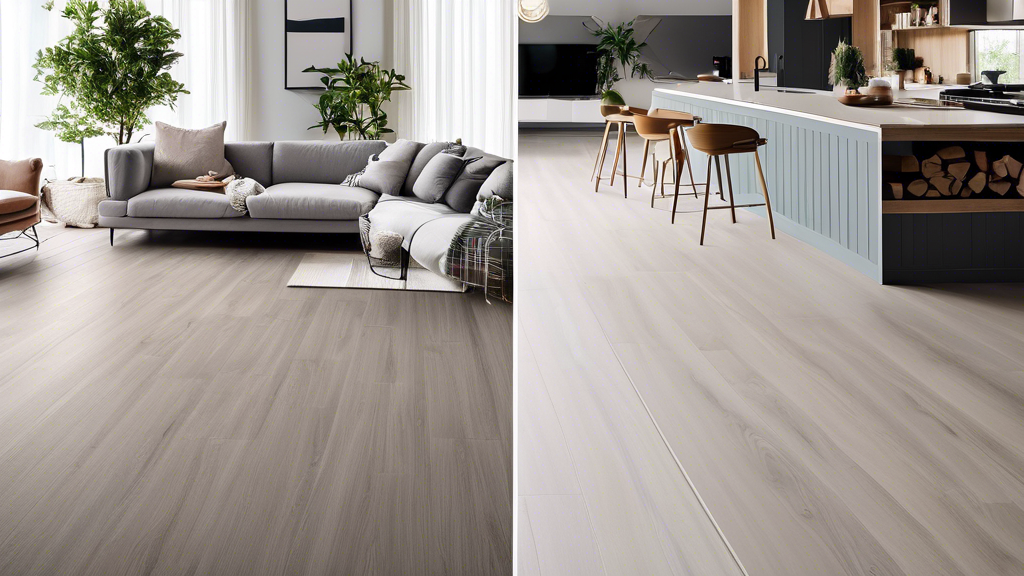
On the other hand, laminate flooring is composed of a high-density fiberboard (HDF) core layered with a photographic applique and a protective wear layer on top. It is engineered to replicate the look of hardwood or stone at a fraction of the cost. While laminate flooring excels in areas requiring a natural appearance and budget-friendly solutions, its moisture sensitivity may limit its use in spaces with high humidity or potential water exposure.
Key differences also emerge in terms of installation methods. Vinyl flooring typically offers flexible options, such as glue-down, click-and-lock, or peel-and-stick systems. In contrast, laminate flooring predominantly utilizes a click-and-lock mechanism, resulting in DIY-friendly and swift installations. These practical distinctions influence the overall experience of choosing and installing either material.
In comparing these flooring types, homeowners must also consider factors such as maintenance, durability, comfort, and environmental impact. Each floor type caters to specific needs, ensuring a solution tailored for varied lifestyles and design goals.
Understanding Vinyl Flooring: Types, Benefits, and Limitations
Vinyl flooring has gained popularity in recent years due to its durability and affordability, making it a practical choice for many households. It is a synthetic flooring material composed primarily of polyvinyl chloride (PVC), designed to mimic the appearance of more expensive materials like hardwood, stone, or tile. To fully understand its value, it is essential to explore its types, benefits, and limitations.
Types of Vinyl Flooring
Vinyl flooring is available in various forms, each catering to different needs and preferences:
Sheet Vinyl
Large, continuous rolls designed for broad coverage.Requires fewer seams, making it water-resistant and ideal for moisture-prone areas.
Vinyl Plank Flooring
Mimics hardwood flooring through plank-like shapes and wood grain patterns.Often comes with interlocking mechanisms, making installation straightforward.
Vinyl Tile Flooring
Designed to replicate ceramic or stone tiles.Offers flexibility for intricate designs and repair by replacing individual tiles.
Luxury Vinyl Flooring (LVF)
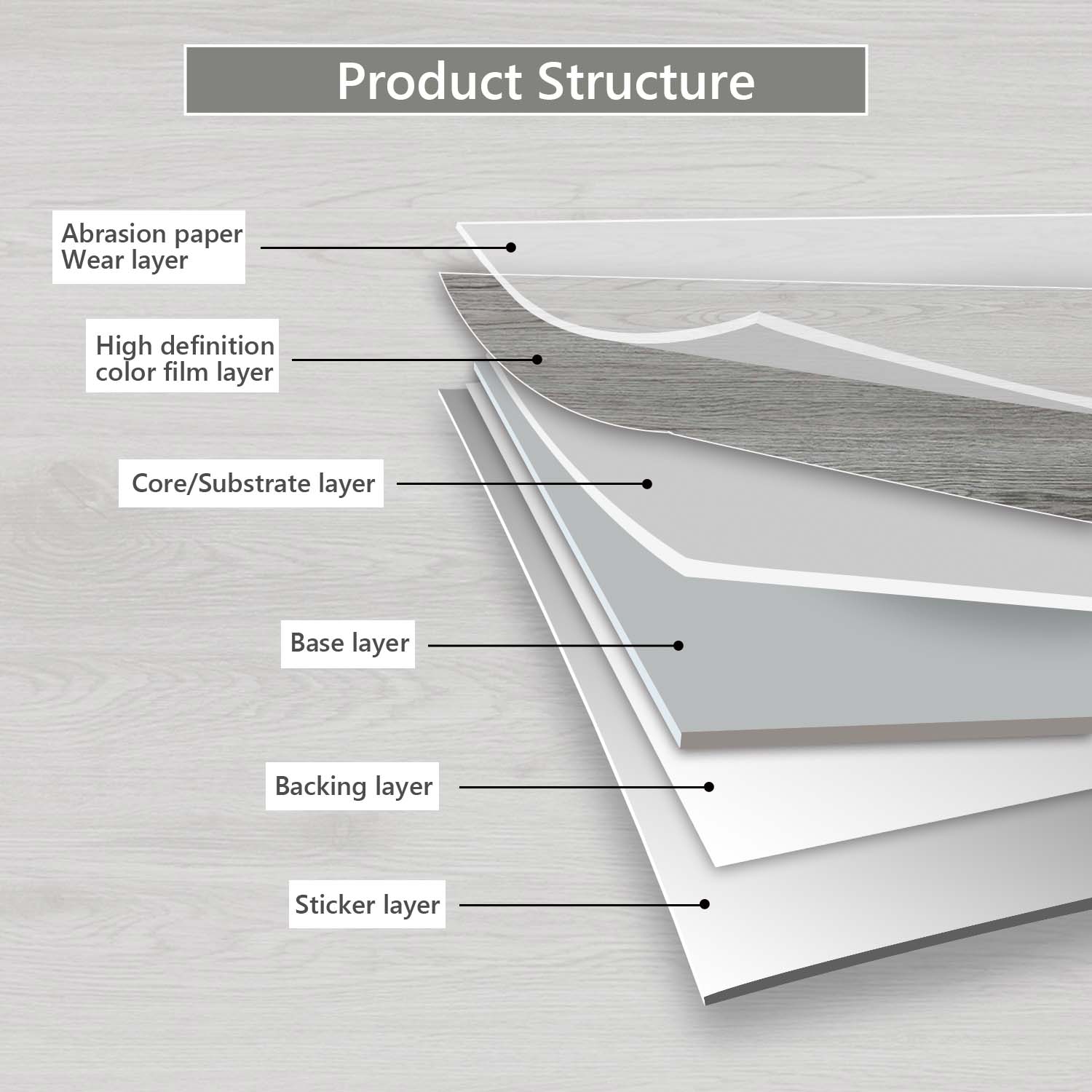
Often includes luxury vinyl planks (LVP) and tiles (LVT).Features enhanced durability, realistic textures, and layered construction, suitable for high-traffic areas.
Benefits of Vinyl Flooring
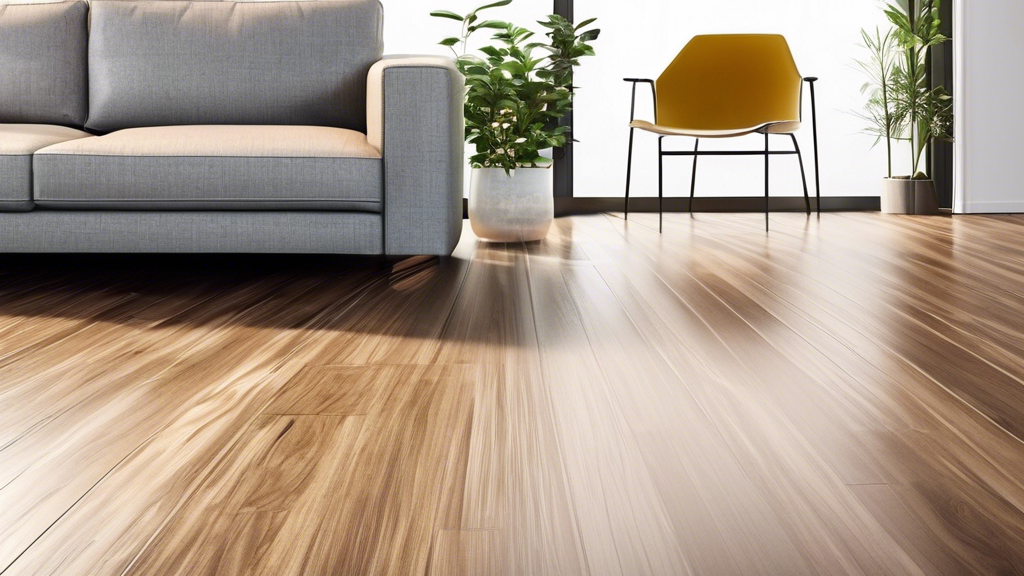
Cost-Effective: Vinyl flooring is an economical option compared to natural materials.Water-Resistant: Certain variations, like sheet vinyl and LVF, provide excellent moisture resistance, making them ideal for kitchens and bathrooms.Durable: High-quality vinyl flooring can withstand heavy foot traffic, scratches, and wear.Ease of Installation: Many options involve peel-and-stick or click-lock systems, enabling DIY installation.Low Maintenance: Requires simple cleaning using mild detergents and does not demand refinishing.
Limitations of Vinyl Flooring
Despite its advantages, vinyl flooring has some drawbacks:
Potential Fading: Prolonged sun exposure can cause discoloration over time.Non-Biodegradable: Being a synthetic material, vinyl flooring is not environmentally friendly and can contribute to waste.Repairs: Damage to vinyl flooring may necessitate replacing entire sections, depending on the type.Underfoot Feel: Some users find it less comfortable or warm compared to natural materials like wood.
Diving into Laminate Flooring: Types, Benefits, and Limitations
Laminate flooring has gained significant popularity for its affordability and visual appeal, presenting a versatile option for homeowners seeking durability without compromising design. It is created by fusing multiple layers together, typically consisting of a high-density fiberboard core, a photographic layer, and a clear wear layer, which protects against minor damage.
Types of Laminate Flooring
Laminate flooring is categorized into two primary types based on installation and surface finish:
Glue-Down Laminate FlooringThis traditional option requires adhesive during installation. It provides a stable and secure fit but requires more effort and time.
Click-Lock (Floating) Laminate FlooringDesigned for ease of installation, this type features interlocking planks that snap together, eliminating the need for glue. It’s ideal for DIY enthusiasts and temporary spaces.
Laminate finishes also vary, including embossed, smooth, textured, or glossy options, allowing further customization based on taste and functionality.
Benefits of Laminate Flooring
Laminate flooring offers several advantages that make it an appealing choice:
Cost-EffectivenessIt provides an affordable alternative to hardwood or tile floors, mimicking their appearance at a fraction of the price.
Ease of MaintenanceIts resistant surface requires minimal upkeep and is easy to clean with regular sweeping or mopping.
DurabilityThe wear layer protects it from stains, scratches, and fading, making laminate ideal for high-traffic areas and households with pets or children.
Design VersatilityWith a vast array of patterns and colors, it can replicate wood, stone, or tile to match varying styles and preferences.
Limitations of Laminate Flooring
While laminate is a practical choice, it has certain drawbacks that need consideration:
Susceptibility to MoistureProlonged exposure to water can cause swelling or warping, making it less suitable for areas like bathrooms or basements.
LifespanAlthough durable, it has a shorter lifespan than hardwood or luxury vinyl and cannot be refinished when worn.
Synthetic FeelDespite advancements, laminate may lack the authentic texture and rich feel of natural materials.
Laminate flooring balances design, function, and affordability, but its compatibility with specific spaces and requirements should be carefully weighed.
Aesthetic and Design Differences: Which Fits Your Style?
When choosing between vinyl flooring and laminate, the aesthetic and design differences are essential factors to consider as they directly influence the overall vibe of a space. Each option presents unique visual and textural qualities that appeal to different style preferences, making it important to weigh the design versatility of both materials.
Vinyl Flooring is highly versatile in mimicking natural materials like stone, ceramic, and hardwood. Thanks to advances in digital printing technology, vinyl designs can feature intricate patterns and realistic textures that enhance their appearance. Luxury Vinyl Plank (LVP) and Luxury Vinyl Tile (LVT) provide rich detailing, including options with embossed surfaces to mimic real wood grains or stone textures. Additionally, vinyl offers a wide range of colors, from neutral tones to bold, trendy palettes, granting homeowners flexibility to match contemporary, minimalist, or eclectic styles.
Laminate Flooring, on the other hand, excels in delivering a warm, wood-like aesthetic at a more affordable price point. The high-resolution photographic layer on laminate mimics oak, maple, walnut, and other natural hardwoods with impressive accuracy. Unlike vinyl, laminate often has deeper, more pronounced embossing, which offers a more realistic replication of hand-scraped or distressed wood. Laminate planks also tend to come in wider and longer dimensions, creating a seamless and upscale appearance ideal for open floor plans or traditional home designs.
Homeowners seeking a sleek, modern aesthetic may prefer vinyl due to its extensive color and pattern options, while those drawn to a classic and authentic wood-like look might find laminate more appealing. Both materials ensure that style preferences are met without sacrificing durability, though trends and personal tastes often guide the final decision.
Durability and Longevity: Which Flooring Stands the Test of Time?
When comparing vinyl and laminate flooring, durability and longevity are critical factors to consider, as they determine how well the flooring will endure daily wear and tear over the years. Both materials are engineered to offer resilience, but their structural differences influence their overall performance in this category.
Vinyl flooring is known for its exceptional durability, particularly in spaces prone to moisture exposure, such as kitchens, bathrooms, and basements. Thanks to its water-resistant or fully waterproof construction, luxury vinyl plank (LVP) can withstand spills, humidity, and even standing water without warping or delaminating. Moreover, vinyl’s multi-layered build—typically including a wear layer, design layer, and resilient backing—offers protection against scratches, dents, and staining. This makes vinyl an excellent choice for households with pets, children, or heavy foot traffic. Many high-quality vinyl floors can maintain their appearance for 15 to 20 years or more with proper maintenance.
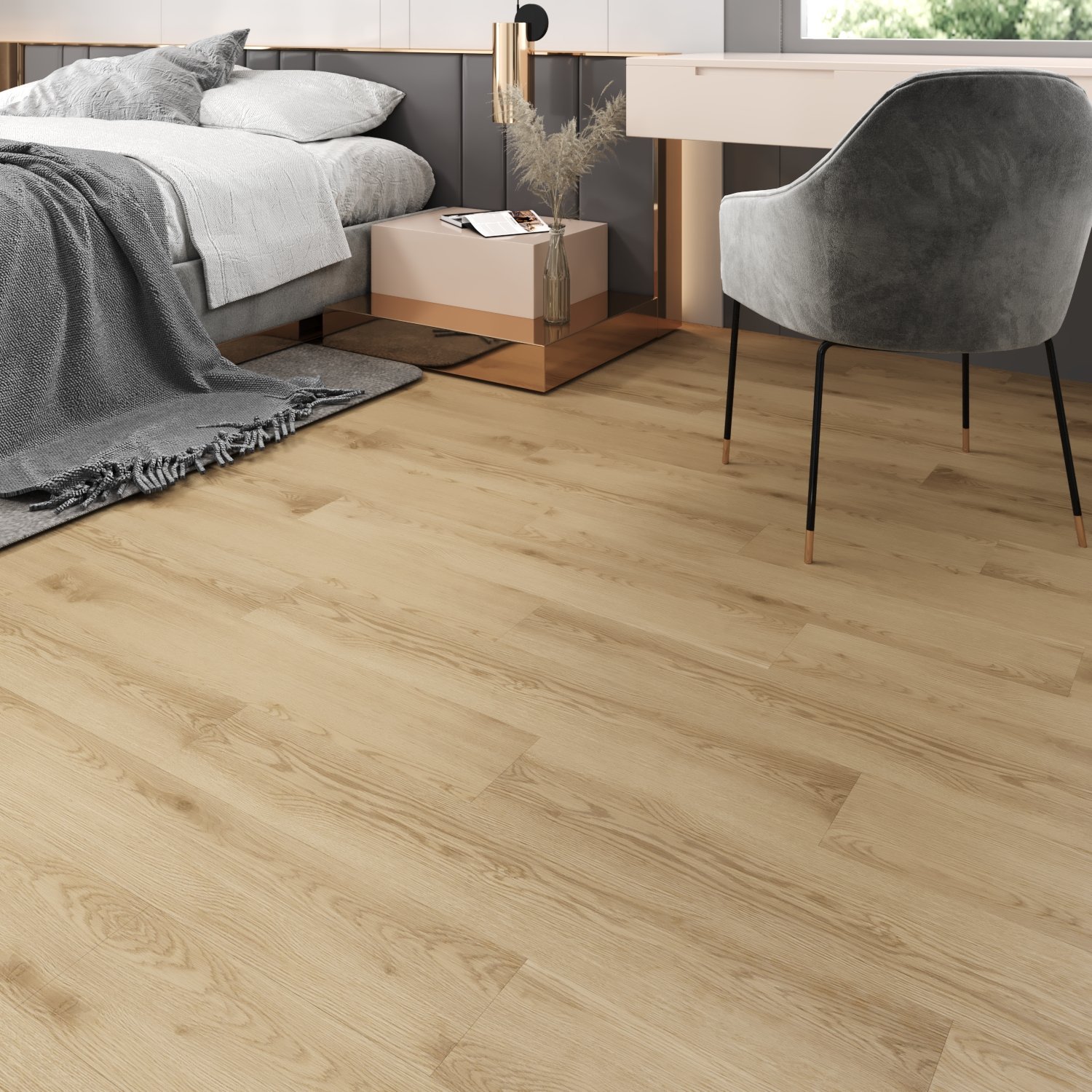
Laminate flooring, while also durable, is less resistant to water infiltration. Composed primarily of high-density fiberboard (HDF) with a photographic applique layer and a protective topcoat, laminate can perform well in dry areas like bedrooms and living rooms. However, prolonged exposure to moisture or standing water can lead to swelling or warping in its core material. Advanced laminate options now include water-resistant technologies, but they may still fall short of vinyl’s performance in high-moisture environments. On the other hand, laminate excels in resistance to fading caused by UV exposure, making it suitable for areas with significant natural light. With adequate care, laminate floors can typically last 10 to 15 years.
In summary, the choice of flooring for durability and longevity depends heavily on the environment in which it will be installed and the specific demands of the household.
Water and Moisture Resistance: Vinyl vs Laminate Performance
When it comes to water and moisture resistance, the differences between vinyl and laminate flooring are notable, making this an essential factor to consider. Both materials offer unique characteristics that impact their suitability in moisture-prone areas such as bathrooms, kitchens, and basements.
Vinyl Flooring
Vinyl flooring stands out as a highly water-resistant option. Constructed from PVC, it inherently resists water penetration, ensuring durability even in environments with prolonged moisture exposure. Luxury vinyl planks (LVP) and tiles (LVT) are 100% waterproof, making them an ideal choice for spaces where spills, humidity, or standing water are common. Vinyl’s seamless installation, particularly with click-lock or glue-down systems, further enhances its moisture resistance by creating a tight barrier against water ingress. Additionally, vinyl is less prone to warping, swelling, or mold growth caused by moisture, ensuring long-term stability and cleanliness in damp environments.
Laminate Flooring
Laminate flooring, on the other hand, possesses a moderate level of water resistance but is not inherently waterproof. Its core is typically made of high-density fiberboard (HDF), which can absorb water if exposed for extended periods. While many modern laminate products incorporate water-resistant coatings or specialized core technologies, they are usually designed to withstand only minor spills or splashes when cleaned promptly. Prolonged exposure to moisture can lead to swelling, warping, or delamination. As a result, laminate is less suited for high-moisture areas but performs adequately in spaces where water exposure is limited or controlled.
Key Considerations
Durability in Moisture-Prone Areas: Vinyl provides superior performance in wet environments, while laminate may require careful maintenance to avoid damage.
Product Innovations: Some laminate options now offer enhanced water resistance, narrowing the gap but not fully matching vinyl’s waterproof capabilities.
Understanding these differences allows homeowners to select the most appropriate flooring for each room’s unique moisture challenges.
Cost Comparison: Finding the Best Flooring for Your Budget
When determining which flooring option aligns best with your budget, vinyl and laminate both offer cost-effective solutions that deliver value without compromising style. However, their price points, installation costs, and long-term expenses can vary depending on specific needs and circumstances.
Material Costs
Vinyl flooring typically spans a wide price range, with options averaging between \(2 to \)7 per square foot. Luxury vinyl planks (LVP), a premium upgrade, fall on the higher end of this scale due to their enhanced durability and realistic textures. Laminate flooring, on the other hand, generally costs between \(1 and \)6 per square foot. While basic laminate can be more budget-friendly than standard vinyl, high-end laminate products with advanced designs and textures tend to cost closer to the upper end of the scale.
Installation Costs
For hands-on homeowners, vinyl flooring tends to be slightly easier to install, especially peel-and-stick varieties or click-lock systems. This could reduce labor costs if professional help is not required. When using professional installation services, labor costs for vinyl typically range from \(1 to \)4 per square foot. Laminate is also designed for DIY ease with click-and-lock mechanisms, but professional installation could cost between \(2 and \)8 per square foot due to potential subfloor preparation or underlayment requirements, increasing its overall expense.
Long-Term Expenses
Durability and maintenance affect the long-term costs of both materials. Vinyl’s water-resistant and scratch-resistant properties make it less likely to need repairs, especially in high-moisture areas. Laminate, while durable, is susceptible to water damage, potentially leading to higher repair or replacement costs in certain environments. Over time, this consideration may impact the budget required for upkeep.
Both options deliver affordability, but understanding initial and long-term cost variances helps ensure a selection that meets budget goals effectively.
Ease of Installation: Which Option is More DIY-Friendly?
When it comes to installation, both vinyl flooring and laminate have their own advantages, but understanding their differences can help determine which is more suitable for a do-it-yourself project. Both options are generally considered easier to install compared to traditional flooring materials like hardwood or tile. However, the techniques and tools involved may vary slightly between these two materials.
Laminate Flooring Installation
Laminate flooring typically relies on a click-and-lock system, making it an appealing choice for many DIY enthusiasts. This system allows the planks to snap together without the need for glue, nails, or adhesives. The floating floor design means it can be installed over most existing surfaces, such as plywood, concrete, or even existing flooring, provided the subfloor is even and smooth.
While the process is straightforward, laminate requires precise cuts to fit around corners, doorways, or awkward spaces. A saw may be necessary for trimming pieces accurately, which could add a layer of complexity for those unfamiliar with such tools. Proper underlayment is also essential to ensure stability, reduce sound, and provide moisture resistance, adding additional steps to the process.
Vinyl Flooring Installation
Vinyl flooring offers multiple installation methods, with the most common being peel-and-stick, glue-down, or click-lock options. Peel-and-stick vinyl tiles are particularly beginner-friendly, as the adhesive backing eliminates the need for extra tools or equipment. Glue-down vinyl sheets or planks offer a sturdier option but often require more effort to achieve a professional finish, as precise alignment and spreading adhesive evenly are crucial.
Click-lock vinyl flooring is comparable to laminate in its floating floor design, featuring planks that connect seamlessly. This method provides an accessible option for first-time installers. However, thicker vinyl planks may be more forgiving than laminate when it comes to cutting or fitting in irregular spaces, making them slightly more manageable in challenging areas.
Considerations for Both Options
Both vinyl and laminate benefit from thorough preparation. Ensuring a clean, level surface is critical before beginning either installation process. While laminate may be prone to damage from improper handling during installation, vinyl’s flexible and water-resistant nature typically makes it a bit easier for beginners to achieve satisfactory results. Cleanup during and after installation is relatively uncomplicated for both materials, contributing to their DIY appeal.
Maintenance and Cleaning: Keeping Your Flooring Looking New
Proper maintenance and cleaning are essential for ensuring the longevity of both vinyl and laminate flooring. While these materials are designed to be durable and low-maintenance, understanding the specific care requirements for each can help homeowners keep their floors in pristine condition.
Vinyl Flooring
Vinyl flooring is known for its resilience and ease of maintenance. This material is water-resistant and sealed, making it highly forgiving when spills or stains occur. Routine cleaning involves sweeping or vacuuming to remove dirt, followed by mopping with a damp cloth and a mild, non-abrasive cleaner. Its sealed surface ensures that grime doesn’t seep in, which is especially beneficial in high-moisture areas like kitchens or bathrooms.
To avoid damage, abrasive tools such as stiff brushes or scouring pads should not be used. Heavy furniture should be placed on felt pads or protective coasters to prevent indentations. In homes with pets or frequent foot traffic, regular cleaning prevents scratches and scuff marks, preserving the floor’s appearance.
Laminate Flooring
Laminate flooring requires slightly more effort to maintain, particularly due to its susceptibility to moisture damage. Sweeping or vacuuming without a beater bar is essential to remove dust and debris. Wet mopping should be avoided because excess moisture can warp the surface. Instead, a slightly damp microfiber mop or cloth combined with a laminate-safe cleaner is recommended.
Unlike vinyl, laminate flooring edges are more vulnerable to water seepage. Spills should be wiped up immediately to prevent swelling or discoloration. Additionally, avoiding wax-based or oil-based products is critical since these can leave a residue that dulls the finish.
Preventive Measures
Both flooring types benefit from placing door mats at entries to limit dirt and grit. Regularly rearranging furniture can prevent permanent dents, while adopting pet nail-trimming routines or using rugs in high-traffic areas can further reduce wear over time. These proactive steps ensure the floors retain their original beauty.
Environmental Considerations: Sustainability and Eco-Friendliness
When choosing between vinyl and laminate flooring, understanding their environmental impact is essential for homeowners concerned about sustainability and eco-friendliness. Examining factors such as material sourcing, manufacturing processes, and end-of-life considerations provides a clearer picture of each option.
Vinyl flooring, primarily made from polyvinyl chloride (PVC), has faced scrutiny due to its reliance on non-renewable petroleum-based chemicals. The production process involves emitting volatile organic compounds (VOCs), which can contribute to air pollution and environmental degradation. Additionally, its recyclability is limited, and many vinyl products end up in landfills at the end of their lifecycle. While some manufacturers have introduced recycled content in their vinyl products, these initiatives remain less widespread in the industry.
In contrast, laminate flooring is composed of high-density fiberboard (HDF) cores, derived mainly from wood byproducts. This reliance on forestry materials gives it a more renewable starting point, provided the wood is sourced from sustainably managed forests. Certification from organizations like the Forest Stewardship Council (FSC) indicates the use of eco-friendly practices. However, the inclusion of resins and adhesives, often containing formaldehyde, raises concerns about off-gassing and overall environmental impact. Despite this, laminate flooring may have a slightly better end-of-life profile since it is sometimes recyclable depending on regional facilities.
Homeowners should also account for durability when evaluating eco-friendliness. Vinyl’s water resistance and longevity may reduce the need for frequent replacement, potentially offsetting its environmental cost. Laminate, while less water-resistant, can exhibit comparable durability with proper care. Both options are evolving as manufacturers prioritize greener materials and production methods, but clear distinctions in their environmental footprints remain important to consider.
Comfort and Feel: How Each Flooring Option Enhances Your Home
When evaluating the comfort and tactile experience of flooring, vinyl and laminate offer distinct qualities that cater to personal preferences and practical needs.
Vinyl FlooringVinyl flooring is recognized for its softness underfoot, especially when it features an added foam or padded layer. This characteristic makes it an excellent choice for areas where prolonged standing is common, such as kitchens or laundry rooms. The cushioning effect reduces strain, making it particularly appealing for households with children or individuals who prioritize comfort. Additionally, luxury vinyl planks (LVP) and luxury vinyl tiles (LVT) often mimic the texture of natural materials like wood or stone while remaining smoother and warmer to the touch. Vinyl also excels in maintaining a consistent temperature, avoiding the coldness often associated with hard flooring surfaces during colder months. This quality enhances its inviting nature, particularly in spaces like bedrooms or living areas.
Laminate FlooringLaminate flooring is also comfortable, though its feel underfoot differs. Unlike vinyl, laminate flooring relies on its rigid core construction and installation over an underlayment to add cushioning. While it provides a solid and firm walking surface, the comfort level can vary depending on the choice of underlayment. Higher-quality underlayment can enhance sound absorption and a softer feel, which is especially useful for high-traffic areas or households with active pets. However, laminate floors are typically cooler to walk on compared to vinyl and may feel harder without proper insulation beneath. Those prioritizing warmth and a cozy ambiance may find laminate less naturally accommodating without rugs or carpets.
Key Considerations
Vinyl offers superior softness and warmth, making it ideal for comfort-focused spaces.Laminate provides a firmer surface but can be adjusted with premium underlayment.Both options can complement different areas of the home based on lifestyle and usage patterns.
Understanding how each flooring option feels can guide homeowners toward creating a more comfortable and welcoming environment.
Room Suitability: Choosing the Right Flooring for Each Space
Selecting the appropriate flooring requires consideration of the room’s function, traffic levels, and environmental factors. Vinyl and laminate flooring cater to various needs, but their strengths suit specific spaces differently.
High-Moisture Areas
Vinyl flooring is highly water-resistant and often completely waterproof, making it ideal for bathrooms, kitchens, laundry rooms, and mudrooms. Its ability to withstand spills, humidity, and wet conditions ensures durability in these spaces. Laminate flooring, on the other hand, does not perform as well in high-moisture areas due to its susceptibility to water damage. While some water-resistant laminate options exist, they are less reliable in prolonged wet environments.
Living Rooms and Dining Areas
For living and dining rooms, laminate flooring often stands out with its realistic wood or stone appearance and its thicker, more rigid feel underfoot. It provides a warm and inviting look suitable for gathering areas. Vinyl works in these rooms as well, especially luxury vinyl plank (LVP), but is more often selected where enhanced durability or ease of maintenance is required.
Bedrooms
Both laminate and vinyl functioning well in bedrooms depends on priorities. Laminate excels in emulating natural materials and creating a cozy ambiance, while vinyl offers convenience and resilience. Homeowners seeking comfort and style may lean toward laminate, while those prioritizing low maintenance may opt for vinyl.
Entryways and Hallways
These areas face substantial foot traffic, making durability a key concern. Vinyl flooring’s robust wear layer resists scratches and scuffs, making it suitable for these spaces. Laminate is also effective, but heavy traffic or tracked-in debris can cause noticeable wear over time.
Matching flooring characteristics with room requirements helps ensure lasting performance and aesthetic appeal.
Resale Value: Impact of Flooring Choices on Home Value
The choice of flooring plays a significant role in influencing a home’s resale value. Potential buyers are often drawn to durable, aesthetically pleasing materials that enhance a home’s appeal. Vinyl and laminate flooring, both widely popular, have distinct impacts on perceived value due to their characteristics, longevity, and design versatility.
Vinyl flooring, particularly luxury vinyl planks or tiles (LVP/LVT), is prized for its ability to mimic natural materials like hardwood or stone at a fraction of the cost. Its water-resistant or waterproof qualities make it an attractive option for kitchens, bathrooms, and basements, areas prone to moisture. Buyers looking for low-maintenance, modern finishes may view vinyl flooring as a practical investment. However, lower-end vinyl options might lack the sophistication or durability some homebuyers expect, which could slightly diminish its contribution to resale value in higher-end markets.
Laminate flooring, on the other hand, is often seen as a middle ground between affordability and style. High-quality laminate flooring can convincingly replicate hardwood and provides a warm, polished appearance that appeals to buyers prioritizing aesthetic charm. While laminate is not typically waterproof, its scratch-resistant surface adds to its longevity, an attribute that increases its appeal in family homes or high-traffic areas. However, laminate tends to be less favored in moisture-prone spaces, which may reduce its universal appeal for prospective buyers.
Considerations for premium buyers: Homes positioned in luxury segments might benefit from real hardwood or stone alternatives rather than vinyl or laminate, as these materials resonate more with high-value demographics.Comparison to traditional materials: While both vinyl and laminate offer cost-effective versatility, their perceived value can vary based on regional preferences and expectations for finishes in comparable homes.
Ultimately, the impact of flooring on resale value will depend on how closely the material matches buyer expectations for durability, style, and function in the market. Whether it’s vinyl or laminate, homeowners should weigh these factors when considering their flooring investment.
Common Myths and Misconceptions About Vinyl and Laminate Flooring
When choosing between vinyl and laminate flooring, many homeowners encounter myths and misconceptions that can cloud their judgment. Recognizing the myths surrounding these materials can help make an informed decision for any flooring project.
Myth 1: Laminate Flooring is Waterproof
While laminate flooring is often marketed as moisture-resistant, it is not entirely waterproof. Its composition includes a high-density fiberboard core that can swell and warp if exposed to excessive moisture over prolonged periods. This makes it less suitable for wet areas like bathrooms or basements, contrary to the belief that it can handle the same water exposure as vinyl.
Myth 2: Vinyl Flooring Looks Cheap
Some people mistakenly associate vinyl flooring with an outdated appearance seen in older sheet vinyl products. However, advancements in manufacturing now allow vinyl plank and tile flooring to realistically mimic hardwood, stone, and ceramic at a high standard of aesthetic quality. Many premium vinyl options feature textured finishes and intricate detailing that rival natural materials in both appearance and feel.
Myth 3: Laminate Flooring is Easy to Repair
Although laminate is durable and scratch-resistant, repairing damaged sections can be a challenging process. Since laminate flooring features interlocking planks, replacing a damaged plank often requires disassembling large portions of the floor. This contradicts the misconception that repairs are straightforward or minimal.
Myth 4: Vinyl Flooring Contains Harmful Chemicals
There is a common misconception that all vinyl flooring emits high levels of volatile organic compounds (VOCs) or harmful chemicals. Reputable manufacturers now produce vinyl flooring that meets strict indoor air quality standards, including certifications like FloorScore. Knowing this can alleviate health-related concerns when considering vinyl as a viable option.
Myth 5: Both Floors Have Endless Longevity
A widespread belief is that both vinyl and laminate flooring can last indefinitely with minimal maintenance. While both are durable in the short term, their longevity varies based on installation quality, material grade, and daily wear and tear. Neither flooring type can truly compete with the lifespan of solid hardwood or stone but can last decades when properly cared for.
Separating fact from fiction empowers homeowners to evaluate vinyl and laminate flooring based on their true strengths and limitations. Understanding these myths can influence the decision-making process more effectively.
Conclusion: Vinyl vs Laminate – Which is the Best Choice for You?
Choosing between vinyl and laminate flooring depends on individual household needs, preferences, and budgetary considerations. Both materials offer unique advantages and cater to different lifestyle requirements, making it essential to weigh their attributes against specific priorities.
Vinyl flooring excels in durability and water resistance, making it a popular choice for areas prone to moisture, such as kitchens, bathrooms, and basements. It is also easier to maintain, as spills and stains can be cleaned effortlessly without fear of damage. For households with pets, children, or heavy foot traffic, vinyl is an excellent option due to its resilience and long lifespan. Furthermore, its ability to mimic natural materials like wood or stone enhances its versatility in design.
Laminate flooring, on the other hand, is often prized for its affordability and high-end appearance. It offers sharper, more realistic visuals when replicating hardwood, which appeals to those seeking a luxurious look on a smaller budget. While less water-resistant than vinyl, laminate performs well in living rooms, bedrooms, and other spaces where moisture exposure is minimal. Its scratch resistance and easy installation process contribute to its popularity among DIY enthusiasts and homeowners looking for short-term flooring solutions.
When making a decision, factors such as the room’s purpose, expected foot traffic, environmental exposure, and aesthetic preferences should guide the selection. Additionally, considering long-term maintenance requirements and costs can help determine which option aligns better with the homeowner’s lifestyle and goals. Understanding these variables ensures the flooring choice supports both functionality and style, creating an optimal living space.