 Jeedeson Official Website
Flooring Science Popularization: Why Types of Floors Meet Installation
As the basic element of home or commercial space, the choice of flooring is not only about aesthetics, but also directly refers to the core issue of “installation requirements”. The so-called installation requirements refer to the physical and economic conditions necessary before the floor is laid, including the flatness of the bottom layer, the humidity of the space, budget restrictions, and the cost of use and maintenance. If these factors are ignored, it will lead to warping and cracking of the floor, and lead to potential safety hazards (such as slipping accidents). For example, in, if mistakenly select strong absorbent solid wood flooring, after installation may be rapidly deformed due to humidity changes; On the contrary, the tile floor that matches the needs can be perfectly adapted.
According to the latest industry data in 2025 (source: International Flooring Association Report), the global flooring market has surpassed 300 billion US dollars, and about 35% of installation failures stem from demand mismatches. This shows that it is crucial to understand “why different types of flooring meet specific installation needs.” The core demand of users (such as decoration owners or designers) is to optimize decision-making: to achieve a balance of durability, economy and eco-friendliness by scientifically classifying floor types and combining installation conditions. This article will start with the five mainstream floor types, analyze their installation mechanisms, advantageous scenarios and potential traps, and help you avoid common misunderstandings and create space. The following discussion is based on materials engineering and actual cases to ensure professional depth and practical value.
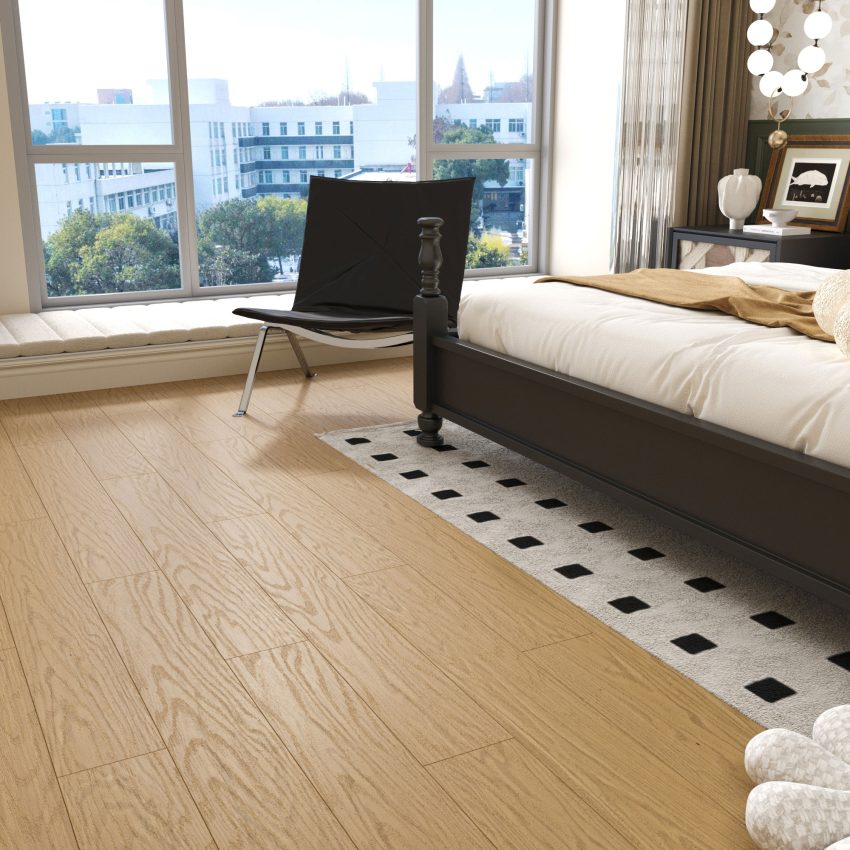
1. Solid wood flooring: the balance between classic beauty and demanding needs
Installation core: Solid wood flooring usually adopts “nail-type” or “glue-type” installation, requiring the bottom layer to be absolutely flat (flatness error ≤ 3mm/2m) and stable humidity (relative humidity 40%-60%). This is because wood is naturally hygroscopic, if the bottom layer or uneven, it is easy to produce gaps or warping after installation. For example, a moisture-proof pad should be laid on the bottom layer of cement, and then a wooden keel should be nailed. Advantage point: Why meet the needs? Solid wood floors perform well in dry, low-wear areas like bedrooms. Its natural texture and temperature adjustment (R value of about 0.68) can improve comfort and meet aesthetic and health needs. With a lifespan of up to 25 years after installation, the cost is high, but the maintenance fee is low, and only regular waxing is required. Limitation warning: The risk of non-compliance is high. In high humidity areas (such as basements), the water absorption rate of wood exceeding 8% will lead to deformation; In the trampling corridor, the wear resistance is insufficient (Mohs hardness is only 2-3) and it is easy to scratch. Therefore, it is only recommended for spaces with good temperature control and low flow of people.
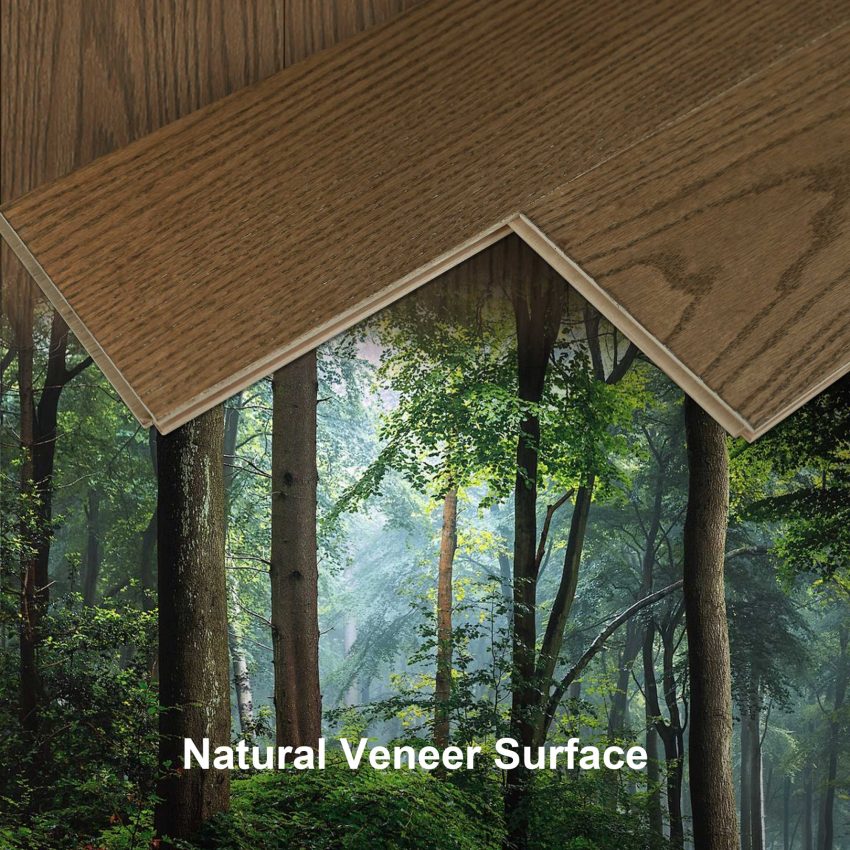
2. Composite decking (reinforced/engineering category): a model of economy, practicality and easy installation
Installation core: mainly “floating installation”, without glue or nails, directly laid on the flat bottom layer (allowable error ≤ 5mm/2m). The core lies in the lock design, which can be completed by DIY, saving time and effort. But the bottom layer must be dry (humidity < 65%), otherwise the HDF substrate will absorb water. Advantage point: Why meet the needs? Composite decking is a choice for budget and high-usage areas (e.g. living room, office). Its wear-resistant layer (AC3-AC5 grade) has strong impact resistance, it can be used immediately after installation, and maintenance only needs to be wet mopped. In terms of environmental protection, the engineering composite decking uses renewable wood layers, and its carbon footprint is 30% lower than that of solid wood, which is in line with the trend of green installation. Limitation warning: Floating installation is prone to noise or separation on or uneven ground floor; It cannot be repaired after flooding. Therefore, the kitchen or other splash areas need to be cautious. Typical case: In a small apartment renovation project, the composite decking is installed within 48 hours to meet the needs of fast-paced life. Multi-angle extension: The future trend points to the innovation of “lock waterproof coating” to improve the applicability of sanitary ware, but the installation still needs moisture-proof test.
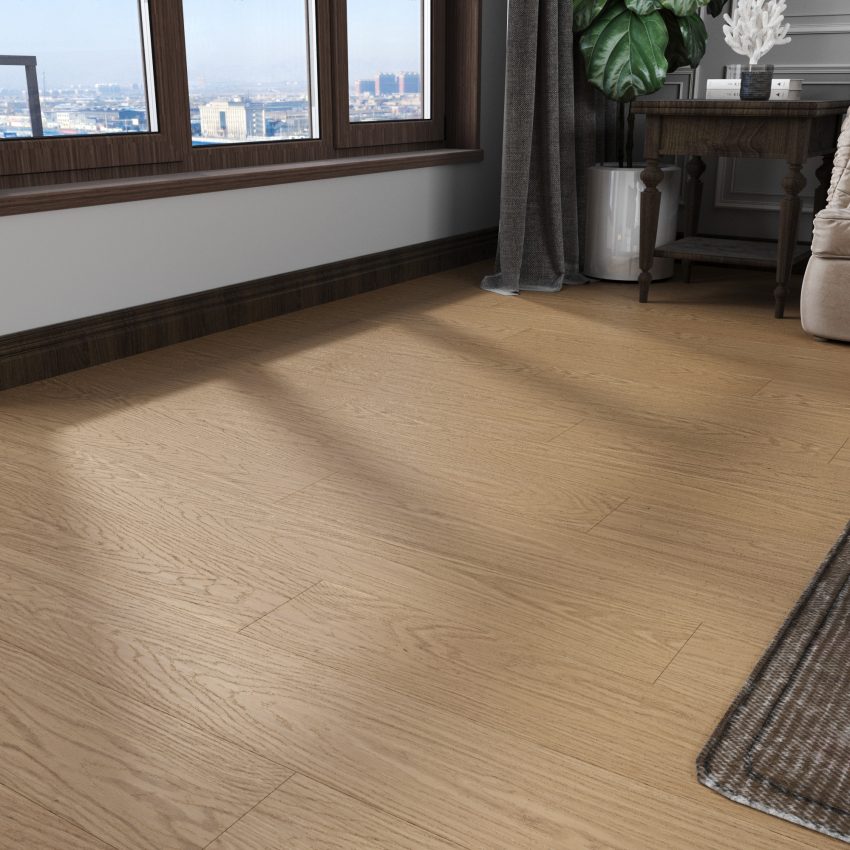
3.Tile Floor: The King of Durability and the Guardian of Extreme
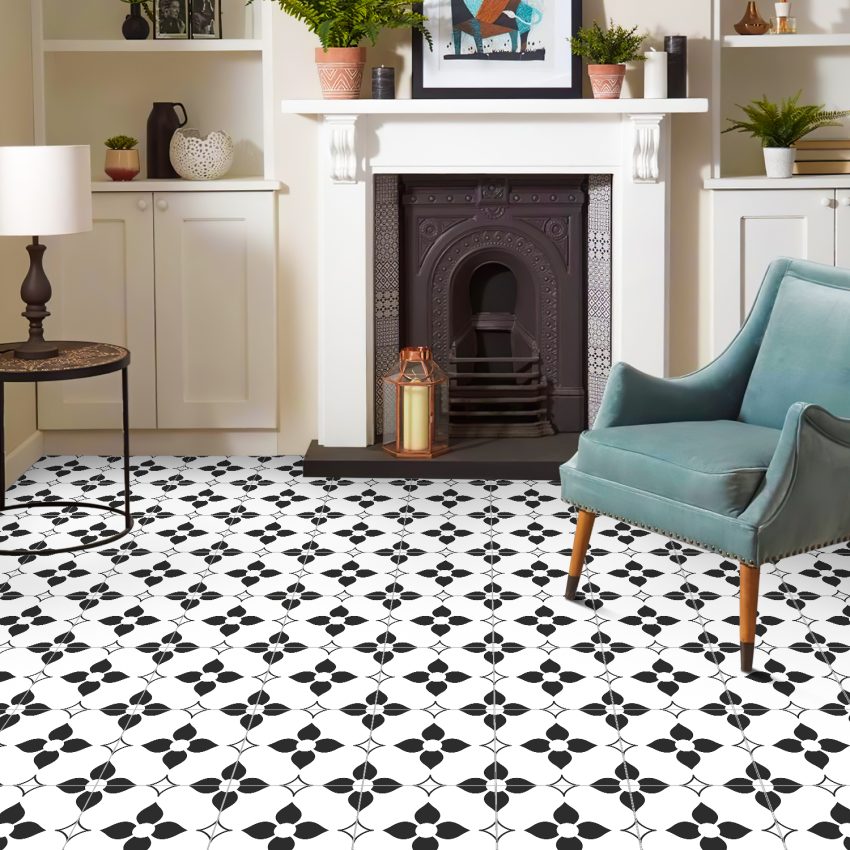
Installation core: Use “thin bed adhesive method”, the cement bottom layer needs to be flat and dry (humidity < 70%). The installation is complex, involving leveling, glue laying and ticking, and it is professionally time-consuming (2-5 days). Key point: The ceramic tile coefficient is low, but if the bottom layer is loose, it will be hollow and cracked after installation. Advantage point: Why meet the needs? In areas with high temperature, high humidity or high flow of people (such as kitchens and balconies), tiles stand out with zero water absorption and high wear resistance (Mohs hardness 7-8), and their service life exceeds 30 years after installation. Medium cost, easy maintenance (acid and alkali cleaning resistance), meet safety and hygiene needs. From an ecological point of view, ceramic raw materials are renewable, and the recovery rate of installation waste is up to 80%. Limitation warning: cold touch and high hardness are not suitable for children’s areas; Errors in installation, such as uneven glue, can lead to unevenness. Budget people need to carefully choose high-grade stone tiles. Typical case: Anti-slip tiles are installed on the balcony of a southern beach villa, which is resistant to salt corrosion and ultraviolet rays, which perfectly meets the installation needs of high humidity. Innovative point of view: Intelligent temperature-controlled tiles are becoming more and more popular, but the installation requires pre-embedded circuits, which doubles the complexity.
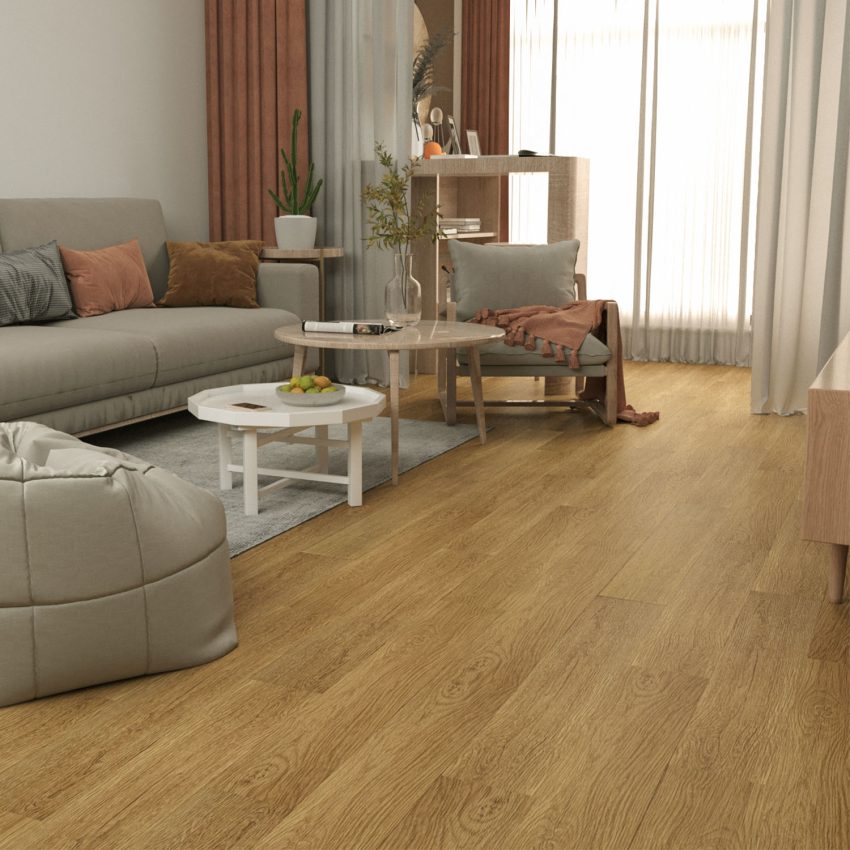
4. Vinyl flooring (LVT/SPC)
Installation core: Divide “lock type” and “full glue type”, the former is similar to compound floor, the latter needs full glue paste. The bottom layer is widely adaptable (slight unevenness is allowed), but it must be oil-free. SPC (stone plastic) flooring is more humidity-resistant, fast installation (1-3 days), suitable for renovation projects. Advantage point: Why meet the needs? In changeable (such as shops, floor heating rooms), vinyl floors win with waterproof, deformation resistance (thermal expansion and contraction rate < 0.05%) and simulated texture. Low cost, stampede-resistant after installation, maintenance only needs to be scrubbed with clean water. In terms of environmental protection, formaldehyde-free LVT meets the needs of modern health. Limitation warning: cheap products may release VOCs; Full adhesive installation if the bottom layer is not clean, easy to degumming. At extreme temperatures (< − 10 °C), SPCs may be embrittlement. Typical case: During the renovation of old houses, LVT directly covers old tiles, eliminating the need for demolition and modification, and matching the needs of low cost and high efficiency. Multi-angle: With the rise of “recycled material SPC”, the installation reliability has been improved, but professional adhesives are required.
5.Carpet Flooring: A Gentle Choice for Comfortable Silence and Special Needs
Installation core: “stretch type” or “adhesive type” mainly, the bottom layer needs to be dry and flat. The installation focuses on the underlay, which enhances sound absorption and heat preservation. If the bottom layer, carpet fibers are prone to mildew. Advantage point: Why meet the needs? In spaces with high requirements for sound insulation and heat preservation (such as bedrooms and audio-visual rooms), carpets take the lead with super heat preservation and noise reduction (sound absorption 30dB) with an R value of 1.2. Easy installation, flexible cost, maintenance usable vacuum cleaner. Suitable for families with elderly/children, fall injuries. Limitation warning: easy to hide dust mites, use with caution for allergic people; Water splash area needs to choose waterproof treatment, otherwise it will be difficult to clean after installation. Typical case: Wool carpets are laid in office meeting rooms to meet the needs of mute, and a moisture-proof layer is added during installation to extend life. Future Perspective: Biodegradable fiber carpets are on the rise, but installation requires bio-glue support.
The matching of floor type and installation requirements is not accidental, but based on the inevitable logic of materials science and spatial mechanics. Solid wood floors protect dry and quiet areas, composite floors empower cost-effectiveness, tile floors conquer extremes, vinyl floors are flexible and innovative, and carpet floors care for comfort and health-each type is a “customized answer” to specific needs. When making a choice, users should give priority to evaluating the underlying conditions (flatness, humidity), usage scenarios (traffic, functions) and budget, rather than blindly pursuing beauty.