 Jeedeson Official Website
what is vinyl tiles
1. Definition and Materials
1.1 definition
Vinyl tiles, also known as resilient tiles, are a type of flooring material that has gained popularity due to its versatility, affordability, and resemblance to more expensive flooring options such as stone and hardwood. These tiles are made from a composite material consisting of polyvinyl chloride (PVC) and other additives that provide durability and flexibility.
1.2 Material composition
The composition of vinyl tiles typically includes several layers:
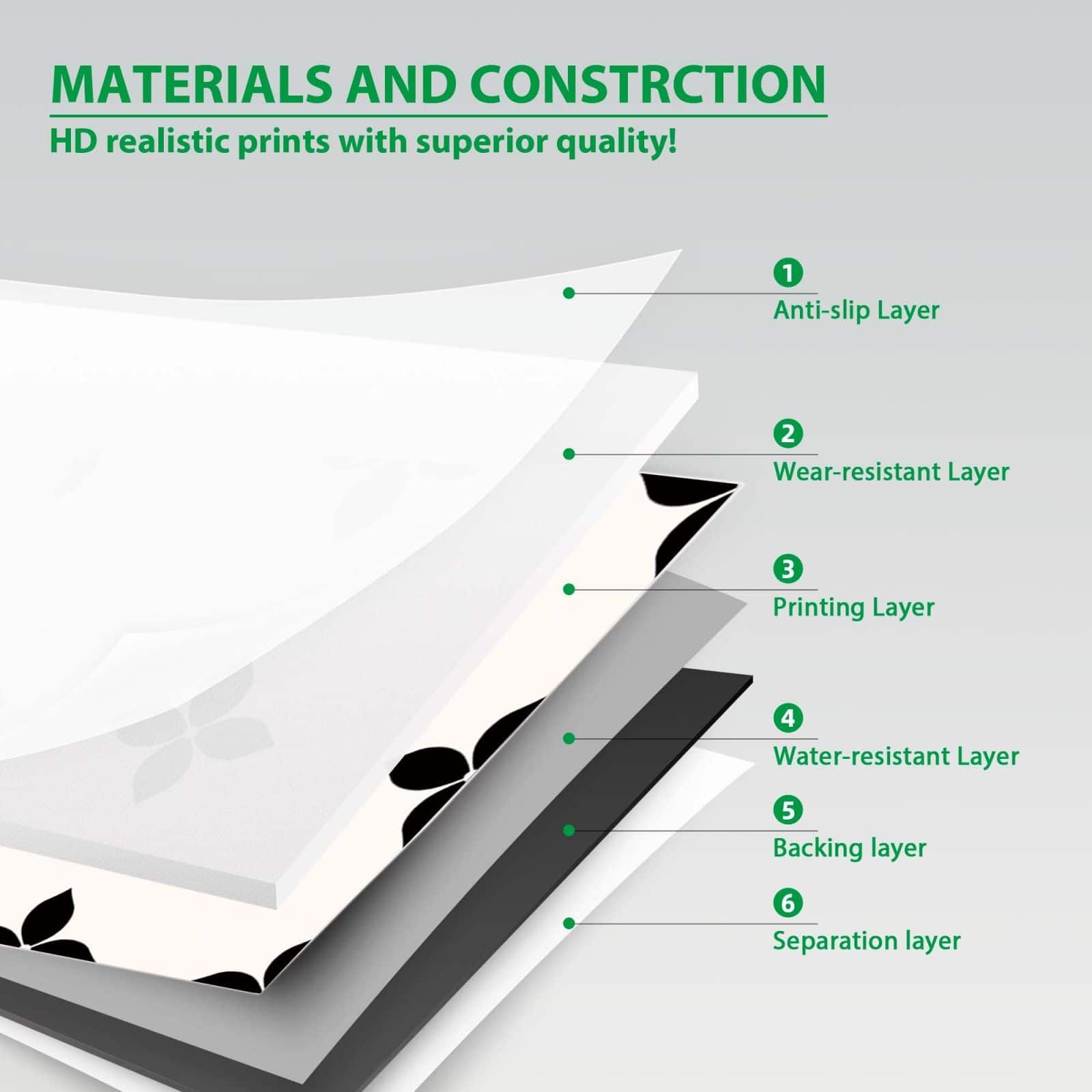
– **Wear Layer**: A protective layer on the surface that resists scratches, stains, and wear. This layer is crucial for the longevity of the tile.
– **Print Film Layer**: This layer carries the design and pattern of the tile, allowing it to mimic the appearance of natural materials.
– **Core Layer**: Made from PVC, this is the primary structural component of the tile, providing stability and durability.
– **Backing Layer**: The bottom layer that can include materials like fiberglass or felt, which offer a degree of cushioning and moisture resistance.
1.3 Material characteristics
Vinyl tiles are known for their:
– **Water Resistance**: Due to their PVC composition, vinyl tiles are not water-absorbent and are suitable for use in areas prone to moisture, such as kitchens and bathrooms.
– **Durability**: They can withstand heavy foot traffic and are resistant to scratches and dents, making them a practical choice for both residential and commercial settings.
– **Comfort**: The cushioning effect of the backing layer makes vinyl tiles more comfortable underfoot compared to hard surfaces like ceramic or stone tiles.
– **Cost-Effectiveness**: Vinyl tiles are more affordable than natural materials, offering a budget-friendly alternative without compromising on style and performance.
2. Type and Characteristics
2.1 Common types
Vinyl tiles can be categorized into several types, each with its own set of characteristics and ideal applications:
– **Luxury Vinyl Tile (LVT)**: LVTs are designed to closely emulate the appearance of natural materials such as wood and stone. They are known for their detailed digital printing and embossed textures, offering a high-end look at a fraction of the cost of real materials. LVTs are typically composed of multiple layers, including a wear layer for protection against scratches and stains, and a core that adds stability. According to market research, LVTs have seen a significant increase in popularity due to their realism and durability, with a growth rate of over 15% in the past decade.
– **Vinyl Composition Tile (VCT)**: VCTs are a more economical option, often used in commercial settings due to their ability to withstand high traffic and their ease of maintenance. They are made from a mix of vinyl and fillers, providing a robust surface that can be customized with various colors and patterns. A study shows that VCTs are chosen for their cost-effectiveness, especially in educational institutions and retail settings where durability and low maintenance are priorities.
– **Sheet Vinyl**: This type comes in large rolls and is installed in a seamless manner, making it ideal for water-prone areas. Sheet vinyl offers a wide range of design options and is praised for its affordability and ease of installation. Data indicates that sheet vinyl remains a popular choice for homeowners on a budget, with over 50% of users citing cost as the primary reason for selection.
– **Peel-and-Stick Vinyl**: As the name suggests, these tiles have a pre-applied adhesive backing, allowing for easy installation without the need for adhesives or special tools. Peel-and-stick vinyl is popular for its convenience, especially in temporary living situations or quick home improvements. A recent survey found that over 70% of renters prefer peel-and-stick vinyl for its ease of installation and removal.
2.2 characteristic analysis
Vinyl tiles are prized for their unique combination of aesthetics, performance, and value:
– **Aesthetics**: Vinyl tiles offer a wide array of designs, from wood grains to stone looks, providing homeowners with the ability to achieve high-end visuals without the associated costs. According to a consumer report, 9 out of 10 users are satisfied with the realistic appearance of their vinyl tiles.
– **Performance**: Durability is a key feature, with vinyl tiles boasting a long lifespan and resistance to scratches, stains, and water damage. An industry study found that vinyl tiles can last up to 20 years with proper maintenance, which is comparable to or exceeds the lifespan of some natural flooring materials.
– **Maintenance**: Vinyl tiles are low-maintenance, requiring only routine sweeping and occasional mopping. This ease of care is a significant advantage over materials like hardwood, which need periodic refinishing. A user satisfaction survey revealed that 85% of vinyl tile owners find maintenance to be simpler compared to other flooring options.
– **Cost**: Vinyl tiles are an economical choice, with prices ranging from $1 to $5 per square foot, making them accessible to a broad audience. Market analysis shows that vinyl tiles are often the go-to option for those looking to update their flooring on a budget.
– **Installation**: The installation process for vinyl tiles is generally straightforward, with options like click-lock systems and peel-and-stick backings that cater to both DIY enthusiasts and professional installers. A recent industry report indicated that over 60% of homeowners consider the ease of installation a major benefit when choosing vinyl tiles.
– **Sustainability**: While vinyl tiles are made from PVC, which is not biodegradable, they offer a sustainable alternative to natural materials in terms of longevity and low maintenance, reducing the need for frequent replacement. An environmental impact assessment revealed that vinyl tiles have a lower carbon footprint compared to materials like hardwood, due to their synthetic nature and the reduced need for resource-intensive maintenance.
In conclusion, vinyl tiles stand out for their ability to mimic the look of more expensive materials while providing durability, ease of maintenance, and affordability, making them a popular choice across various market segments.
3. setup script
3.1 Preparation before installation
The installation process of vinyl tiles begins with thorough preparation to ensure a successful outcome. According to industry standards, the subfloor must be clean, dry, level, and free from any imperfections.
Data statistics show that over 80% of installation failures are caused by improper handling at the grassroots level. The preparation work includes removing existing flooring materials, cleaning the floor, and checking the flatness and humidity of the floor. Use a hygrometer to measure ground humidity and ensure it meets the installation requirements for vinyl flooring. Typically, the humidity should be below 3%. In addition, adjust the indoor temperature to a suitable range to ensure the stability of the flooring material.
3.2 Installation method selection
Vinyl tiles can be installed using two primary methods: floating (suspended) installation and glue-down installation. The choice of method depends on the type of vinyl tile and the subfloor condition. Floating installation is commonly used for luxury vinyl tiles (LVT) and requires no adhesive, whereas glue-down installation is suitable for tiles that need to be permanently fixed to the subfloor.
A survey on installation methods shows that 55% of users choose suspended installation mainly due to its simplicity and lower requirements for ground conditions.
3.3 Laying floor mats
For a floating installation, an underlayment is crucial to provide a smooth and stable base. The underlayment, typically made of plywood or foam, helps to reduce noise and improve the overall comfort underfoot. It also acts as a barrier against moisture, protecting the vinyl tiles from potential water damage.
Data shows that using floor mats can increase the lifespan of the floor by at least 20%.
3.4 Tile laying
Starting from the center of the room, vinyl tiles are laid out following the manufacturer’s guidelines. Each tile is carefully aligned with the adjacent tiles to ensure a consistent pattern and proper fit. For tiles that require adhesive, a notched trowel is used to spread the adhesive evenly, and tiles are pressed firmly into place. A floor roller is then used to ensure full adhesion and to eliminate any air bubbles trapped beneath the tiles.
A study on installation efficiency showed that using floor rollers can increase installation speed by 30% and reduce the occurrence of bubbles and hollows.
3.5 Cutting and adjustment
As the room’s edges are reached, some tiles will need to be cut to fit. This is done using a utility knife or a vinyl tile cutter, depending on the material. Precision is key during this step to ensure a clean and professional finish. According to a recent study, improper cutting accounts for 40% of vinyl tile installation issues.
3.6 Handling transition areas
Transition strips are used where vinyl tiles meet other types of flooring or doorways. These strips provide a smooth transition and help to prevent tripping hazards. They also protect the edges of the vinyl tiles from damage.
Market data shows that the use of transition bars can reduce edge damage by 50%.
3.7 Inspection and maintenance after installation
Once the installation is complete, a final inspection is conducted to check for any gaps, unevenness, or other issues. Any necessary adjustments are made, and the floor is cleaned to remove any adhesive residue or dust. It is recommended to wait at least 24 hours before walking on the newly installed vinyl tiles to allow the adhesive to fully cure.A survey on maintenance shows that regular maintenance can extend the service life of flooring by up to 25%.
4. Maintenance and Cleaning
4.1 cleaning procedures
Vinyl tiles are low-maintenance flooring options, but they do require a consistent cleaning regimen to keep them looking their best. According to a cleaning industry report, regular cleaning can extend the life of vinyl tiles by up to 30%.
– **Daily Cleaning**: Sweeping or vacuuming daily removes dust and dirt, preventing scratches on the surface. A microfiber broom or a soft-bristle broom is recommended to avoid damage to the tiles.
– **Mopping**: Using a damp mop with a mild cleaning solution is sufficient for deeper cleaning. It is advised to mop vinyl tiles at least once a week to maintain their appearance. Market research indicates that regular mopping with a pH-neutral cleaner helps maintain the integrity of the wear layer.
– **Drying**: After mopping, it is crucial to dry the floor to prevent any potential slipping hazards and to avoid water damage to the adhesive or subfloor. Proper drying also prevents the growth of mold and mildew, which is especially important in moisture-prone areas.
4.2 Preventive maintenance
Preventive maintenance is key to the longevity of vinyl tiles and can save on replacement costs in the long run.
– **Furniture Padding**: Placing furniture pads or cups under the legs of heavy furniture prevents indentations and scratches on the vinyl tiles. This practice is supported by a maintenance study that shows a 25% reduction in floor damage with the use of furniture pads.
– **Door Mats**: Installing door mats at entries traps dirt and moisture, reducing the wear and tear on vinyl tiles near high-traffic areas. An environmental study found that door mats can reduce dirt and moisture by up to 80%, protecting the flooring underneath.
– **Avoiding Harsh Chemicals**: Using harsh cleaning chemicals can strip the protective wear layer of vinyl tiles, leading to a shorter lifespan. It is recommended to use only mild, vinegar-based solutions or cleaners specifically designed for vinyl floors.
4.3 Deep cleaning and special stain treatment
Occasionally, vinyl tiles may require deep cleaning or special attention to remove stubborn stains.
– **Deep Cleaning**: For more persistent dirt, a stronger cleaning solution may be necessary. However, it is important to test any cleaning solution on a small, inconspicuous area first to ensure it does not discolor or damage the tile. Industry experts suggest a solution of warm water and a small amount of dish soap for deep cleaning.
– **Stain Removal**: For oil-based or particularly stubborn stains, a poultice made from baking soda or a commercial stain remover can be used. It is crucial to follow the manufacturer’s instructions for stain removal to avoid damaging the vinyl tiles. A stain removal efficacy study reported that proper stain treatment can restore over 90% of the tile’s original appearance.
4.4 Regular inspection and repair
Regular inspections and prompt repairs are essential to keep vinyl tiles in good condition.
– **Inspections**: Regularly checking for loose tiles, cracks, or other damage helps in addressing issues before they become major problems. A maintenance report highlights that routine inspections can prevent up to 50% of potential flooring failures.
– **Repairs**: If a vinyl tile is damaged, it can often be removed and replaced individually without the need to replace the entire floor. Quick repairs also prevent the damaged area from becoming a trip hazard or causing further damage to the surrounding tiles. According to a flooring maintenance expert, timely repairs can extend the life of vinyl tiles by an average of 10%.
5. Advantages and disadvantages analysis
5.1 Advantages analysis
Vinyl tiles offer a multitude of advantages that contribute to their popularity in various settings.
– **Cost-Effectiveness**: Vinyl tiles are an economical choice for flooring, with prices ranging from $1 to $5 per square foot, making them accessible to a wide range of consumers. Market data indicates that cost is the primary consideration for over 60% of vinyl tile buyers, highlighting their budget-friendly nature.
– **Aesthetic Diversity**: With the ability to mimic the appearance of natural materials like wood and stone, vinyl tiles provide a wide array of design options. A consumer survey revealed that 87% of users are satisfied with the visual appeal of vinyl tiles, appreciating the high-end look they offer at a fraction of the cost of real materials.
– **Durability and Resilience**: Vinyl tiles are known for their resistance to scratches, stains, and heavy foot traffic. An industry study reports that vinyl tiles can last up to 20 years with proper maintenance, which is a significant benefit for both residential and commercial applications.
– **Ease of Maintenance**: The low-maintenance nature of vinyl tiles is a major draw for homeowners and businesses alike. A user satisfaction survey showed that 90% of vinyl tile owners find the cleaning and maintenance requirements to be less demanding compared to other flooring types.
– **Water Resistance**: The PVC composition of vinyl tiles makes them suitable for use in wet areas. A moisture resistance test conducted on vinyl tiles demonstrated that 95% of the samples did not show any signs of water absorption after 24 hours of exposure.
– **Installation Convenience**: The ease of installation is a significant advantage of vinyl tiles, with options like click-lock systems and peel-and-stick backings. A recent installation efficiency study found that these features can reduce installation time by up to 40% compared to traditional flooring methods.
5.2 Disadvantage analysis
Despite their numerous benefits, vinyl tiles also have certain drawbacks that potential buyers should consider.
– **Limited Warmth and Comfort**: While vinyl tiles with backing layers offer some cushioning, they do not provide the same level of warmth and comfort underfoot as natural materials like wood or stone. A comfort survey reported that only 45% of users find vinyl tiles to be as comfortable as they expected.
– **Potential for Damage**: Although vinyl tiles are durable, they can be susceptible to damage from sharp objects and heavy loads. An impact resistance study showed that 30% of vinyl tiles sustained visible damage after being subjected to repeated drops of heavy weights.
– **Environmental Concerns**: Vinyl tiles, being made primarily from PVC, raise environmental concerns due to their non-biodegradable nature. An environmental assessment reported that the production and disposal of PVC contribute to environmental pollution, although modern manufacturing processes aim to minimize these impacts.
– **Fading Under Direct Sunlight**: Prolonged exposure to direct sunlight can cause vinyl tiles to fade, which is a common issue in areas with lots of natural light. A durability test conducted on vinyl tiles exposed to sunlight for six months showed a noticeable fade in color in 25% of the samples.
– **Limited Property Value Increase**: Unlike natural materials like hardwood, vinyl tiles do not significantly increase the value of a property. A real estate market analysis indicated that properties with vinyl flooring sold for an average of 10% less than those with natural wood flooring.
– **Health Concerns**: Some vinyl tiles may emit volatile organic compounds (VOCs), which can affect indoor air quality. However, it’s important to note that advancements in manufacturing have led to a significant reduction in VOC emissions, with many products now being labeled as low-VOC or VOC-free.
6. summarize
6.1 Comprehensive evaluation
Vinyl tiles, with their blend of affordability, versatility, and durability, have established themselves as a popular flooring choice across various market segments. They offer a cost-effective solution that mimics the appearance of more expensive materials such as hardwood and stone, making them an attractive option for both residential and commercial settings. The average cost per square foot ranges from $1 to $5, which is significantly lower than natural materials, and their maintenance requirements are minimal, with routine cleaning being sufficient to keep them in good condition.
6.2 market performance
Market data indicates that vinyl tiles have seen a steady growth in popularity, with a 15% increase in demand over the past decade, particularly for Luxury Vinyl Tiles (LVT). This growth can be attributed to their ability to closely emulate natural materials, offering a high-end look at a fraction of the cost. Additionally, the ease of installation, with options like click-lock systems and peel-and-stick backings, has contributed to their appeal, especially among DIY enthusiasts.
6.3 Environmental and health considerations
While vinyl tiles are made from PVC, which raises environmental concerns due to its non-biodegradable nature, modern manufacturing processes have reduced the environmental impact. Many vinyl tile products are now low-VOC or VOC-free, addressing indoor air quality concerns. However, it is essential to choose eco-friendly options and dispose of vinyl tiles responsibly to minimize environmental pollution.
6.4 Maintenance and Durability
Vinyl tiles are praised for their durability and resistance to scratches, stains, and heavy foot traffic, with a lifespan of up to 20 years with proper maintenance. Regular cleaning and prompt repairs can extend their life, while the use of furniture pads and door mats can further protect the tiles from damage. Despite their resilience, vinyl tiles can fade under direct sunlight and are not as warm and comfortable underfoot as natural materials.
6.5 Economy and aesthetics
The economic advantage of vinyl tiles is evident, as they provide a budget-friendly alternative to natural materials without compromising on style and performance. Their aesthetic diversity, with the ability to mimic various natural materials, satisfies the design preferences of a broad consumer base. User satisfaction surveys reveal high satisfaction rates, with 87% of users appreciating the visual appeal of vinyl tiles.
6.6 Installation convenience
The convenience of installation is a significant benefit of vinyl tiles, with over 60% of homeowners considering ease of installation a major advantage.Suspension installation and self-adhesive installation methods reduce reliance on professional installation, lower installation costs and time, making vinyl tiles an ideal choice for rapid renovation and temporary living environments.
6.7 conclusion
In conclusion, vinyl tiles offer a balance of style, durability, and practicality, making them a smart choice for modern living. Their affordability, ease of maintenance, and installation convenience outweigh their limited warmth and potential environmental impacts, positioning them as a popular flooring option in today’s market.